Archives

K2 With a Drone

K2 with a Drone is a documentary following Petr Jan Juracka, a scientific photographer’s trip to K2 with Klara Kolouchova with two drones. He performed extensive testing before setting off on the trip. He flew the drone in a hyperbaric chamber to see how it would react. He flew it in freezing conditions to check that the batteries would cope and then he flew in other places. He had already flown his drone in a multitude of countries and Pakistan was the latest challenge. We see the journey to base camp. We see images of the snow and ice, of rivers, of challenging roads and more. The documentary mixes fixed camera footage and drone footage in a pleasant to watch manner.

Interval training and climbing are a good combination.

If you were to look at the graph below you would clearly see that it’s a form of interval training but you’re at a loss to know which sport it is from. With running and cycling you would see 2-3 minutes of hard effort and then two to three minutes of less effort and it would repeat form 15-20 minutes. This graph is from an activity done for two hours. [caption id=“attachment_3480” align=“aligncenter” width=“1024”] What is the first sport that comes to mind?[/caption] This graph is from indoor climbing yesterday. You see that I started tracking the heart rate at least ten minutes before my first climb. You see that the heart rate during the first climb climbs consistently until I reach the top. As I get lowered back to the ground my body goes back to being relaxed and you see the low heart rate as I belay someone. The second climb is more challenging so you see the peak earlier in the climb and then it remains stable. The third climb was a little harder and you see that I had to rest at least twice. The fourth climb was managed without resting. With the fifth climb we see that I really needed to rest at the point where the troth is. From what I remember of the last climb it was easy except for parts where you really need finger strength. As I do not I cheated. I don’t climb frequently enough. I noticed that Rocspot Echandens has logged their climbs so that they are compatible with myclimbs, an app that I installed on my phone many months ago but forgot about. At the time it was still in early development so was not of much interest. Next time I go I will use the app.

Dirty Gold War screening at the Graduate Institute.

I went to watch Dirty Gold War at the Graduate Institute at lunch time today. The film is interesting because it makes you think about the environmental impact of gold mining. We’re familiar with the stories of gold mines in South Africa. We’re familiar with the stories of the gold rush. We don’t often think of the environmental impact of Gold mining in rain forests in Latin America. This documentary introduces the topic well. It brings our attention to the fact that when people buy luxury products like gold watches, bracelets and other objects they are buying objects that have no environmental or ethical credentials. It leads us to question when the luxury industries will be accountable to such considerations. Mobile Phones, laptops, televisions and other devices all contain traces of gold. If that gold is sourced from environmentally unfriendly sources then we are contributing to the destruction of the rainforests and the poisoning of ecosystems. Fairphone and other companies with such goals benefit from such documentaries because we are shown why their goals are so important. It contextualises their mission and their reason for being. It also helps to put pressure on all electronics manufacturers to do more to reduce their impact on the environment. Dirty Gold is a topic that does not get much attention. As I reach the conclusion of this blog post I find that Dirty gold points to a music album rather than gold mining. We need to raise awareness of this topic. People are wearing wedding wings, luxury products and using electronic devices that are in part for the degradation of the environment. As awareness of these issues grows so companies like Apple, Sony and others should work to ensure a clean product line, from raw material in the ground to the finished product.

My first Wehike Hike

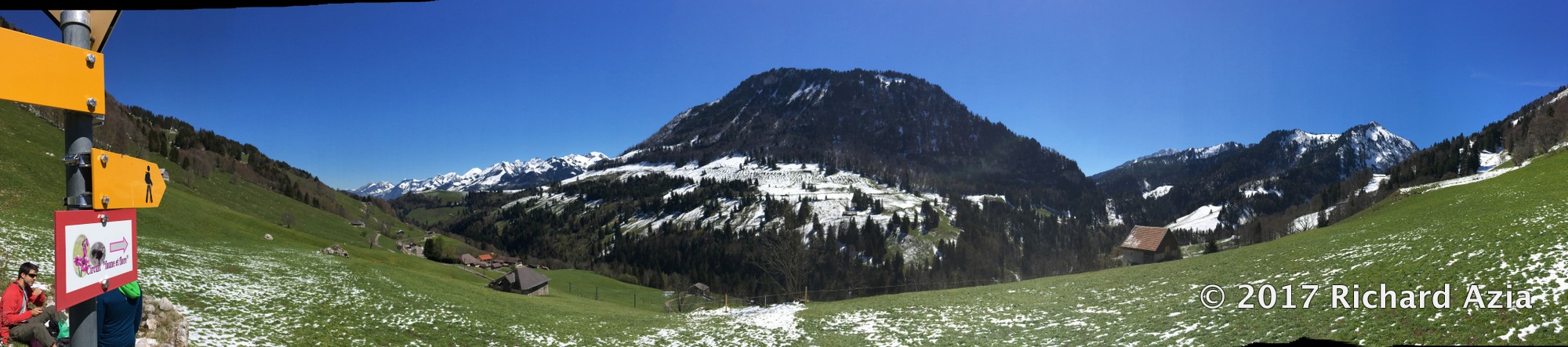
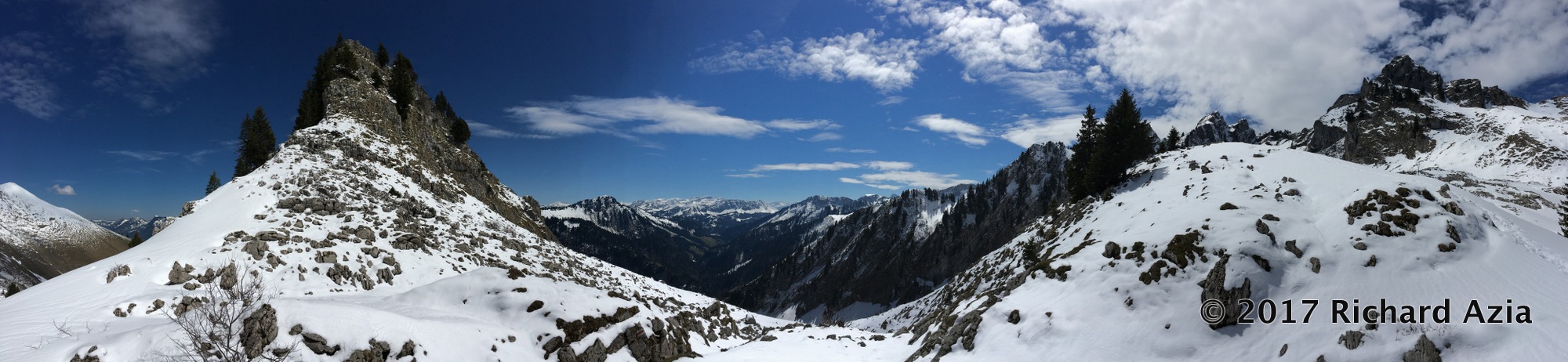
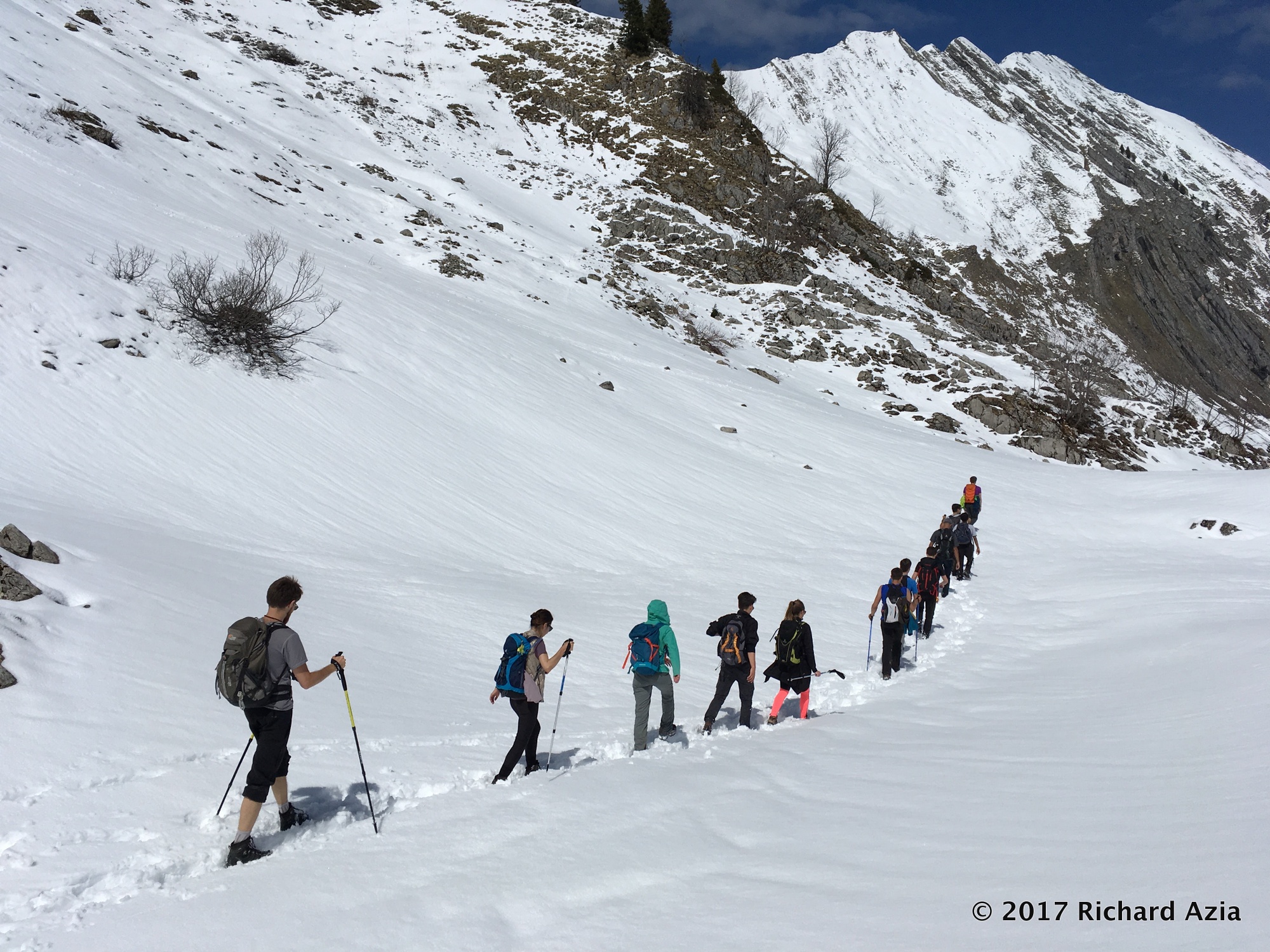
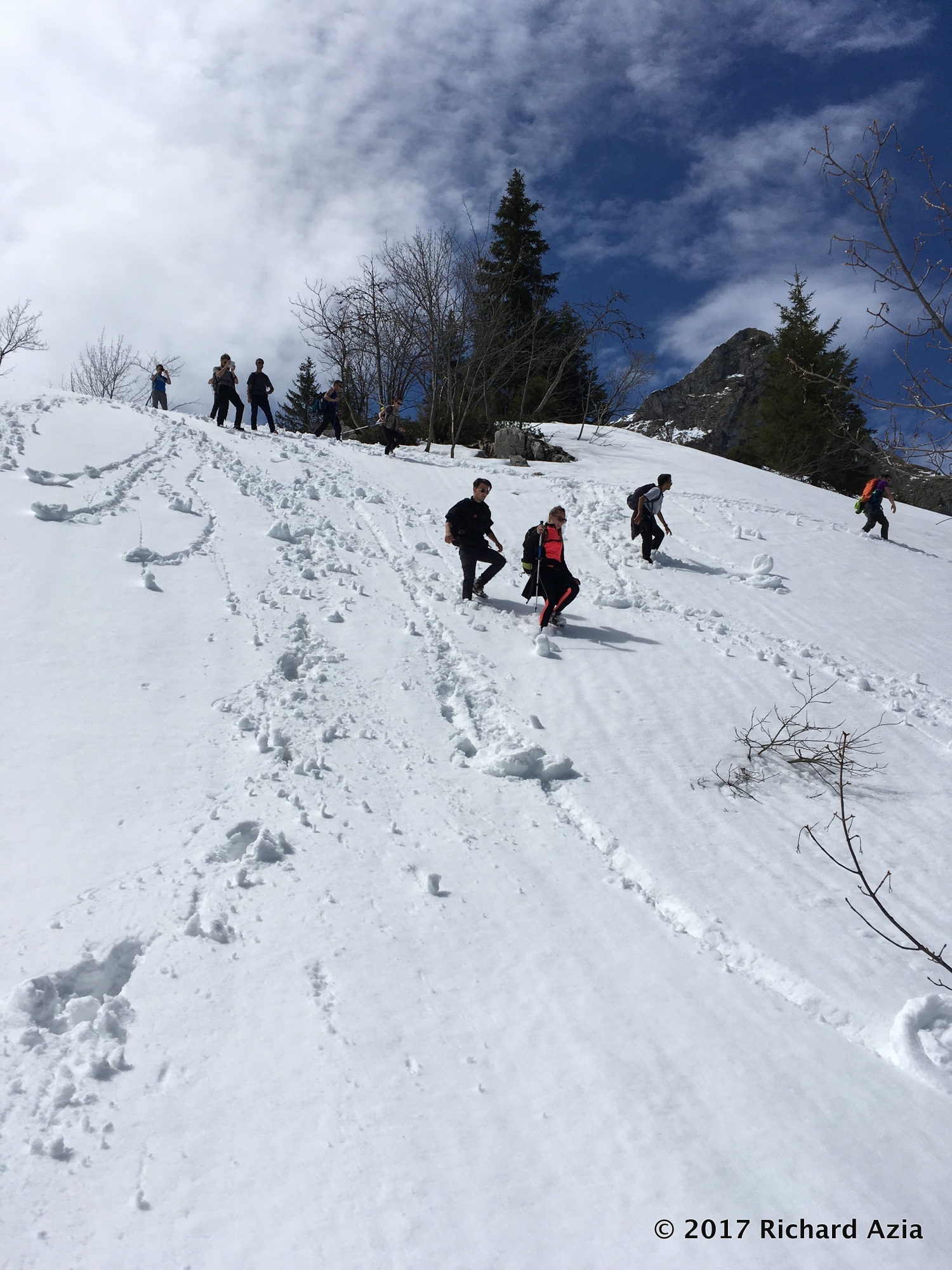
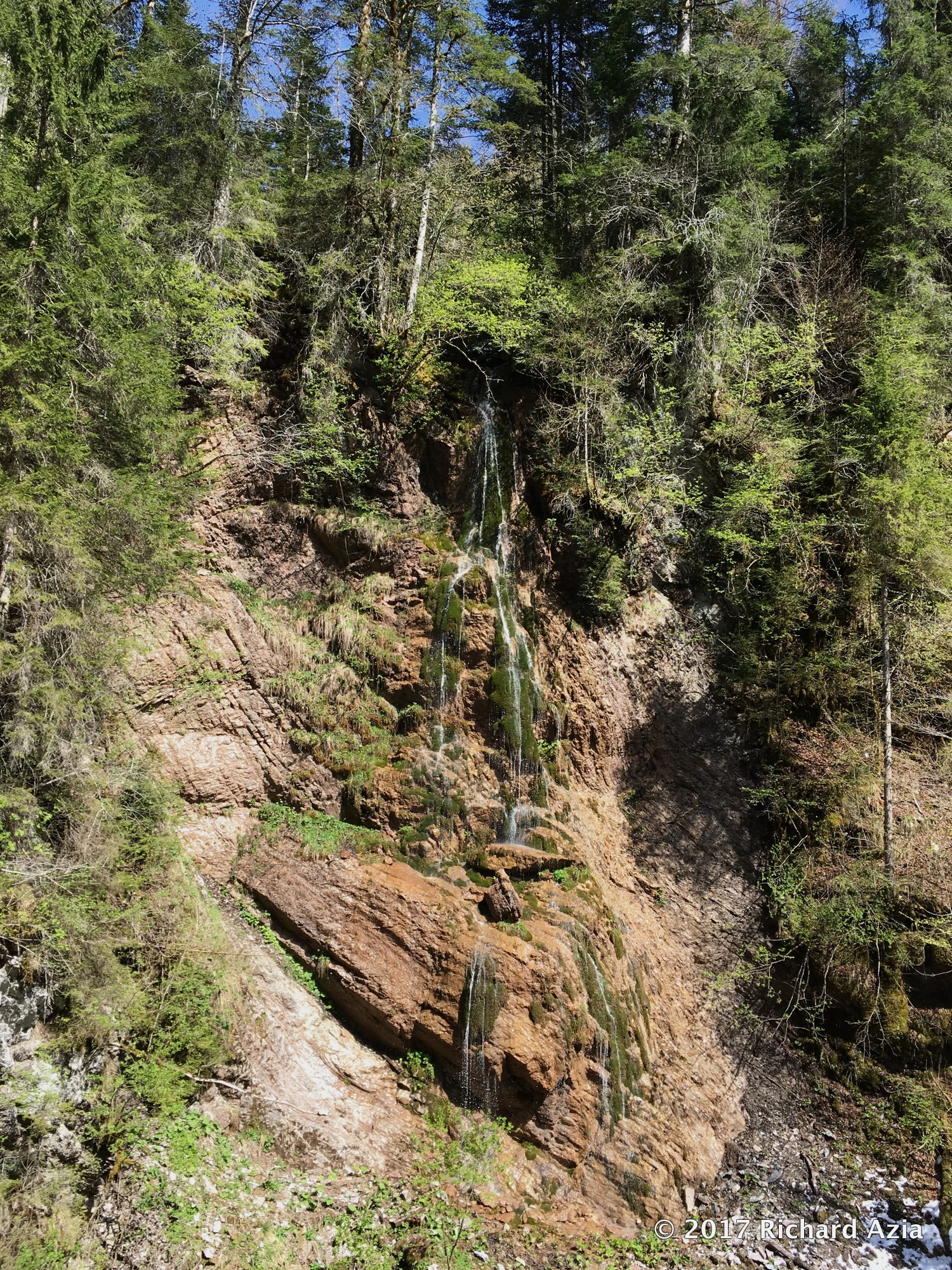
Wehike is a website dedicated to find people with whom to hike. People can contribute hikes to wehike and then they or other people can organise events based on the hike information. This includes a GPX file and images. At the moment this site is in beta so they are looking for user feedback. At the moment they are based in Switzerland but they will be able to expand globally as people contribute hikes and other people participate in these hikes. I liked yesterday’s hike because for once I was struggling to keep up with the group rather than the opposite. Usually I’m leading the group and stopping every so often to take pictures and because I’m not certain of which fork to take next. In this case they were waiting for me. This is in part due to the Via Ferrata de Saillon trip the day before. I’ll get back to being in front of the group and taking pictures soon. This hike was interesting because winter is not over. Apparently twenty five centimetres of snow fell the day before. As a result one local recommended that we choose another route than the one we had planned on. We decided instead to see how the conditions were. As is the case when you go for hikes in Spring the damage from winter has not being cleared away. We found trees and branches on the paths and paths that would normally be clear to find required more instinct and orientation than average. When you start heading up properly you walk straight up through a pasture and you get to a stone ruin. We stopped at the ruin for a snack/lunch. From this point you walk up steep paths near the field’s age with a river to your right until you get to a clearing. From the clearing you walk up some more and you get towards the vista below. This is a view looking North at a steep climb up. If you continue to the Cap au Moine then you still have some climbing to do. Due to the deep snow and conditions this is the point at which we started heading back down. We walked along in 20-30 centimetre snow falling someone’s snowshoe traces and then headed down. When the snow is deep and powdery like it was yesterday it’s really fun. You can run and jump down the hill. I would share the photos if I had the participants’ permission. Here’s a taste. If you look at my GPS trace you will see how fast we were descending the slope. Eventually you get back to the grass and the tree line. When you get back down to the river you cross a stone bridge and to the right you see a waterfall pictured below. I enjoyed this Wehike because we had the opportunity to navigate and find the route, we got to climb over trees and walk under branches. We also got to walk a steep hill in the snow and run and bound down a snowy slope without worrying. Snow is so much softer for the knees. I would like to redo the hike later in the season when the snow has gone.

Brainless television and the Tabloid Media

I saw the headline to this article and feel that we should discuss brainless television and the tabloid media. The article was written by a fifty year old who blames the number of distractions for voter apathy. The answer, I fear, is they’re too busy being mesmerised by an ever-increasing plethora of high-tech distractions directed specifically at them. The changing nature of the youth-obsessed entertainment industry is in danger of inadvertently creating a race apart, an entire generation that instinctively prefers the cyber world to the real world. Rather than blame the youth of today and technology for the situation that Brexit England is currently in I would look at where people got their anti-European rhetoric from. They got it from decades of anti-European articles in the tabloids. They got it from decades of Anti-European Tory rhetoric and they got it from radio and the sides of buses. Even the Guardian and the BBC are guilty of consistent anti-European rhetoric. Just look at the amount of airtime given to MLP rather than Macron. In a recent feature Katya Adler gave minutes to the far right and seconds to pro-europeans. The same is happening during the French election. In times gone by, the 18-24s tended to feel alienated by mainstream entertainment that wasn’t for them. The counter culture flourished because there wasn’t enough for young people to do. The atmosphere was ripe for passionate anti-establishment politics. Now, with global corporations focussing all their efforts on capturing the lucrative youth demographic, there’s way too much for young people to do. The poor things barely have time to think. I was both a teenager and a twenty something year old in the Internet age and I can say with certainty that the counter culture has not suffered as a consequence of new technology. I would point to youtubers, snapchatters and others as examples of this. I would point at Anonymous and other groups as well. I would point to the various critical mass events and more. Footage I took of a Silent Disco flash mob was used in an ARTE documentary about the walk man. Counter culture is alive and well. It’s just a matter of using the right medium. It’s easy to blame the youth for apathy and it’s easy to say “A more likely scenario is that the vast majority of these allegedly pro-EU teens would not have made it to the polling booth” but maybe if the older generations had not been indoctrinated by years of Anti-European rhetoric they would not have voted the way they voted. The reason that young voters are pro-European is simple. They haven’t spent decades reading anti-European propaganda so they understand the benefits of Europe. Online culture contributes to this.

Preparing fondue

The Swiss Television archives shared this nice news item about how to prepare a fondue from 1969. It’s nice because we see the old way of preparing a fondue with the fluid burner rather than electric heaters. We also see the ingredients being placed in the caquelon.

Using an Xtorm Solar Charger

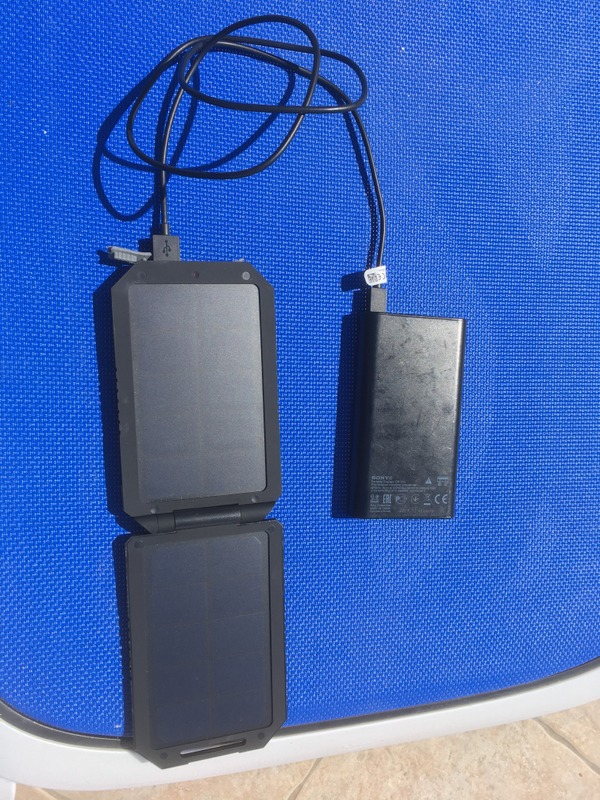
While in Spain for three weeks I was playing with the Xtorm solar Charger. I found that it worked well for the charging of tablets and e-book readers but not mobile phones. [caption id=“attachment_3462” align=“aligncenter” width=“225”]Solar charger and external battery Solar charger and external battery[/caption] For years I have wanted to play with solar power. I have wanted to buy a solar panel that I could fix to my bag or that I could use to charge devices. I often looked at the price and weight and changed my mind. I don’t want something that adds kilos to my load, especially if I am climbing. With a small device like the one pictured above you can carry it with you and use it to charge devices. When you drive to the hike or climb, or when you stop for lunch or a drink you can take out this device and start charging your phone, gps, led lights or other devices. if you want to charge devices to 100 percent then I would recommend charging ipads, ebooks, gps watches and other devices with this device. I found that it’s great for providing a phone with a top up charge but that because of my mobile use patterns it will only provide one full charge per day. When we hear people speak about solar power we always hear about “How do we store the power we generate so that we can use it when we need it?” and I found a way. When I woke up in the morning I would put the solar charger near a window or outside if there was no chance of rain to charge up to over 75 percent. When it reached this charge I connected the solar charger to a 10,000mah external battery. It is by using this technique that I have been able to keep my external battery fully charged with no need to plug it in to mains power. In effect it means that I can charge the ipad, the phone or the e-book reader without using mains power.
What is There to See in the Lake

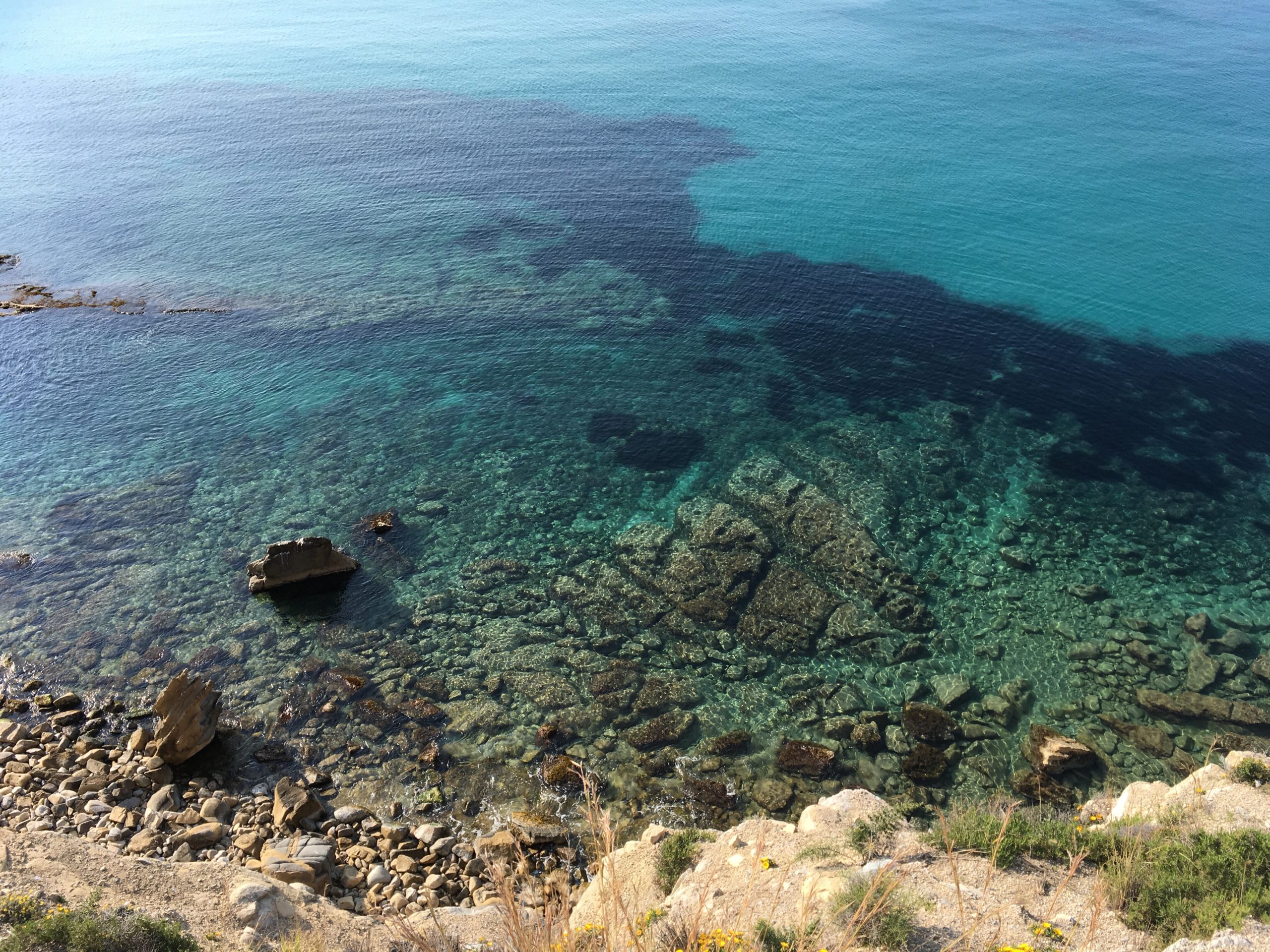
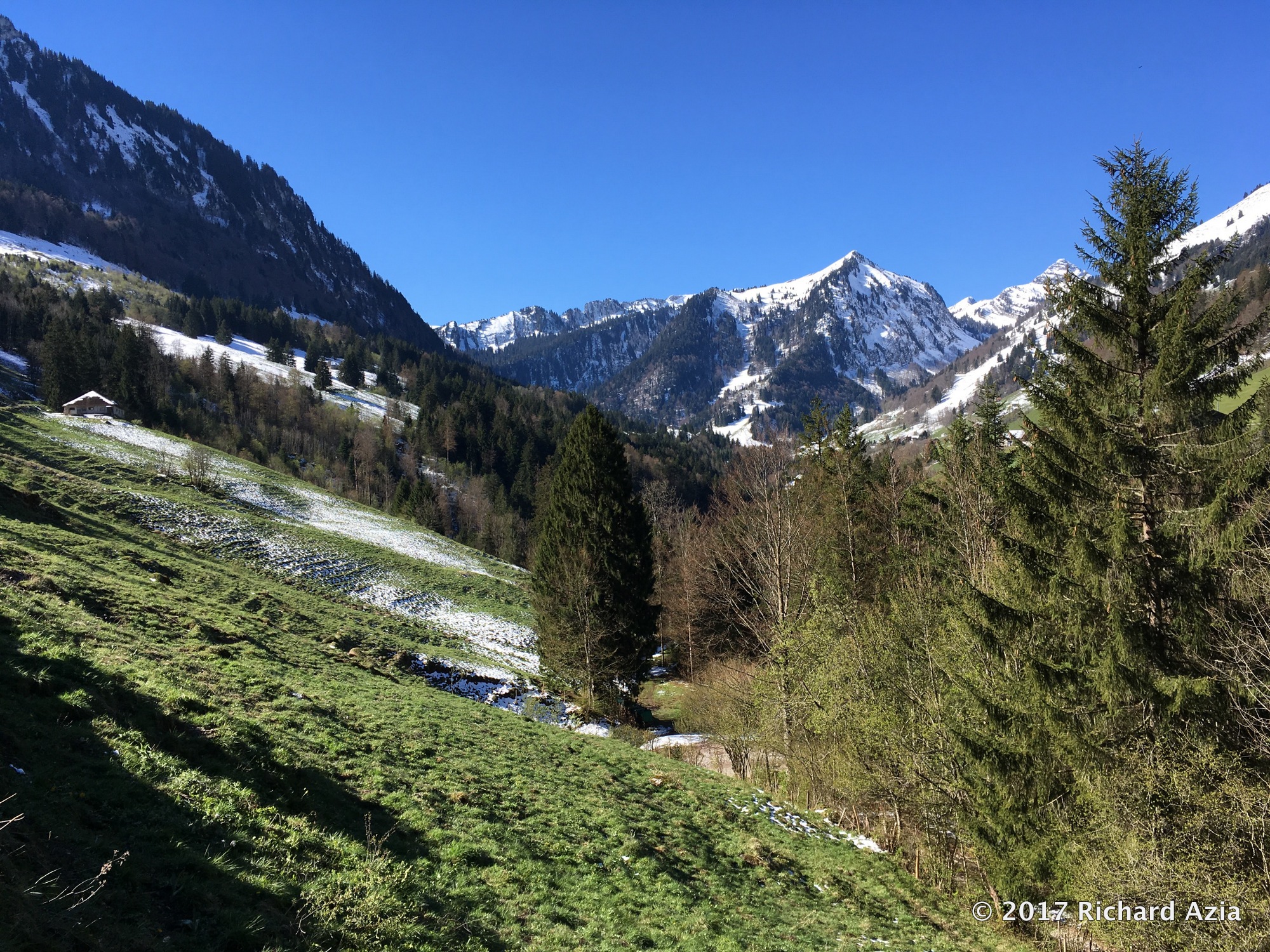
What is there to see in the lake is a question that people have frequently asked me. For at least two years I would go diving nearly every weekend. I would dive in the Lac Léman, the Lac de Bourget, the Gouille Du Duzillet. I also dived the English channel in November. I dived all year round. In summer we would cook in our dry suits and in winter our hands were sometimes so cold that we couldn’t take off our dry suits. Lake divers are an eccentric, hardy bunch of people. I used to say that the beauty of lake diving is that it is not affected by weather. You’ll get wet anyway and if you go below a certain depth water is always at 5°c. I’m in Spain at the moment and I decided to go snorkelling with my semi Dry Suit around El Portet. This is the cove where I worked on getting my rescue diver certification. I snorkelled by the rocks to the west at first. The waters are shallow and I did see a school of juvenile fish. As I finned further I saw some slightly larger fish and urchins. After a while of searching I finned to the other side of the bay. New sand has been deposited along this beach. As a result of this new sand visibility has suffered near the beach. By the rocks the visibility is still good. From the image above you can see that the water is really clear. I thought that with such clear waters I would see a lot. I was hoping to see fish, maybe an eel or two and maybe some crabs. It’s good to dive and snorkel close to marine reserves. In marine reserves fish are allowed to mature and grow and eventually they branch out to other areas. As a result diving and snorkeling are more rewarding. It’s at the supermarket fish section that I saw the most fish. It’s a shame that they were lying dead, on ice, rather than swimming underwater. In effect I see as many fish in the mediterranean as in the lakes of Switzerland and France so you travel for the climate rather than aquatic life. People need to allow the seas and oceans time to recover. It’s a shame not to see much aquatic life. I should try again in a different location where there are fewer people. I might be luckier.
Travel and data roaming

In July Roaming will be a bad memory for Europeans travelling within Europe. As a result of this the sale of sim cards to Ingress players, pokemon Go players and others will also be a thing of the past. What will not change is that we use social media apps to communicate with other people. As a consequence of this use we see local adverts. At the moment I am in Spain and see Google España rather than Google Switzerland. I see Spanish adverts. Local and national products are advertised to me as I browse. As Google, Facebook, Twitter and other companies know of my interests when I am in Switzerland they can extrapolate them to local businesses in Spain. Diving, climbing and other companies would benefit from me seeing their offers. if I have just a gigabyte of data then I need to throttle many of these apps. I don’t want self loading videos and other content. I want a minimum of content to make that gigabyte of data to last until I get on the plane. Advertisers suffer because as I reduce my normal browsing habits it reduces their chance of being seen. In my opinion telecom operators and advertisers should collaborate together to make it cheaper for travellers to use their smartphones. Advertisers should buy data from telecom operators so that travellers are more inclined to use their phones. Businesses will benefit from us posting to and browsing from Instagram, Swarm, Google Local Guides, Trip advisor and many other services. Everyone benefits from cheaper roaming. At the moment businesses with free wifi are helping people see more adverts. With cheaper roaming globally a receptive audience will see more adverts hence providing them with more ideas and inspiration for activities during their stay in an unfamiliar place. Advertisers and businesses should capitalise on this potential audience.

The SUUNTO SPARTAN SPORT WRIST HR BLUE

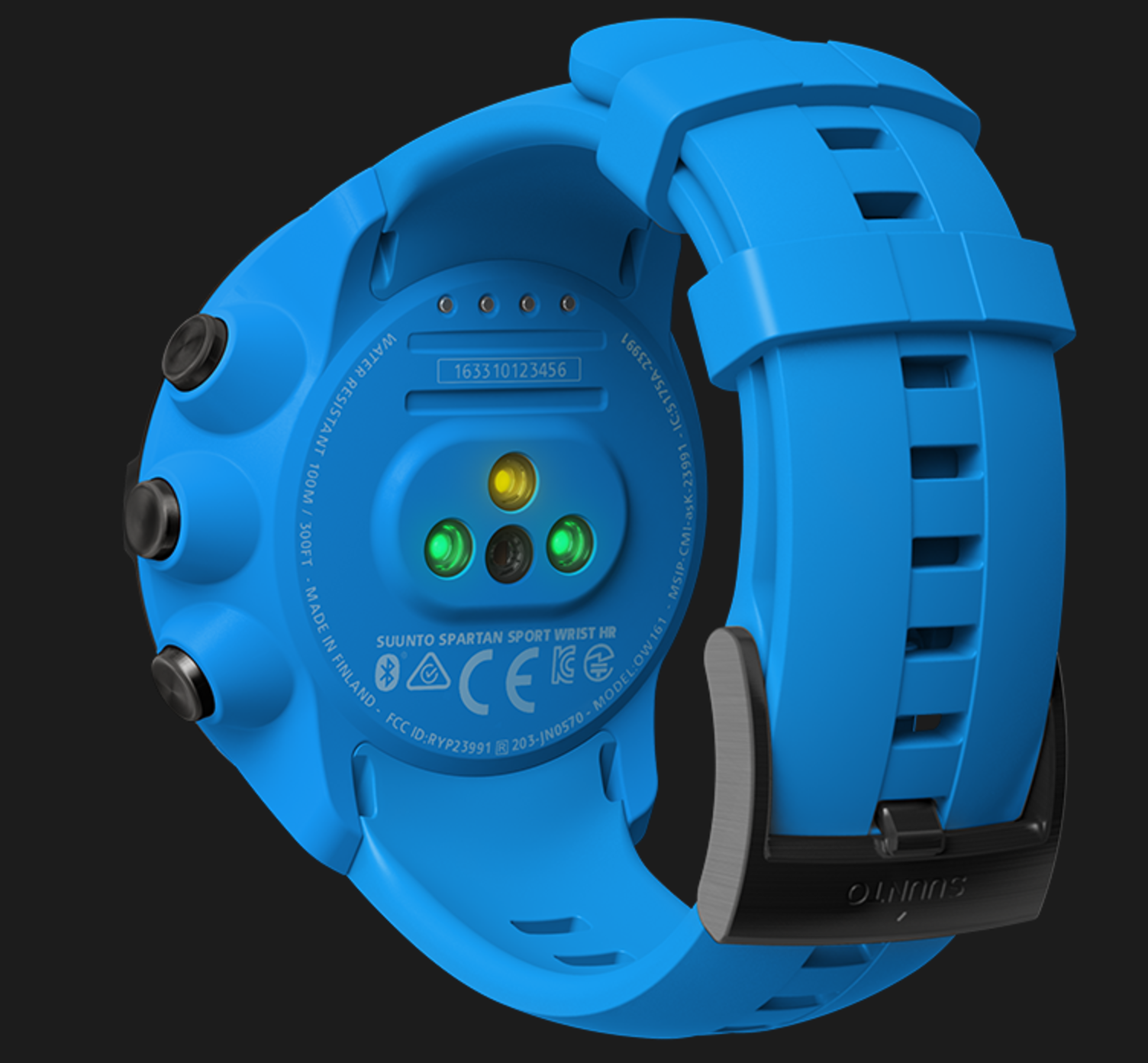
I have logged 799 activities with my Suunto devices. This includes hikes, via ferrata, climbing, swimming and scuba diving. I like Suunto devices because their battery life is good enough to last through entire days of hiking and the battery lasts for weeks between charges when used as a simple watch. Spartan HR I like to track my heart rate but I often feel self conscious about putting the heart rate monitor belt on. With the latest Spartan watch I no longer need to worry about the belt. At the same time as I start the activity I will be able to keep track of the heart rate. This is especially good for group activities when you do not want to keep people waiting and in winter when you’re wearing layers of clothing. I like that devices like the Fitbit Charge 2 can be worn at almost all times and track heart rate effortlessly when at the climbing gym and during other activities. I look forward to the same simplicity with a Suunto device. I especially like that Suunto devices survive swims and showers. I like that the Suunto Ambit 3 tracks how many steps I take during the day. It’s a shame that the step count is not logged and visible on Movescount. I like to see how energetic or lazy I have been on a daily, weekly, monthly and yearly basis. It’s not unusual for me to go from a 21,000 step day to a 6000 step day. It depends on weather, work and other factors. If you go for a bike ride your step count will not be high. I will wait to see whether they apply this technology to the Suunto Ambit watch collection. If they come out with the Suunto Ambit 4 Wrist HR then I will be tempted to upgrade. With 799 tracked activities I believe Suunto devices have demonstrated that they are reliable.