Archives

D-Day Film archives on Facebook

Yesterday D-Day Film Archives were shared on Facebook. These film archives were of landing crafts landing troops on the beaches, of battleships firing rocket salvos at the coast, of gliders being pulled by planes, of paratroopers getting and more. Over the years films have been preserved by transferring the footage from one film stock to another and then transferred from film to tapes. The problem with film and tape is that they are stored in a physical location that only archivists have access to. This means that if we’re curious about seeing the footage, like the footage included in this post we would have to go to the film archive and ask for permission to see this footage. Within a few hours, days or weeks we might get an answer. We would have transport costs, access costs and more. The advantage of digital video archives accessible online is that everything is accessible within a few seconds with the right keywords. This means that a child hearing about the Second World War for the first time can do a quick search and see this footage. History, rather than being words on a page, is brought to life. It stops being an abstract subject for the mind. In this footage, we see our grandparents and our nephews and nieces see their great-grandparents. An effort, by the international community, should be made to preserve, digitise and then make available as much of this film material as possible. The technology exists today so that, at the very least, we can have digital backups of all of this material and in the best case scenario for this material to be available for future generations to watch and study. I have already spent 15 months as a video archivist and media asset manager and I would like to continue this line of work. I find it to be a fascinating and interesting way to learn about history. It inspires to find books that contextualise the material that I am seeing on screen. This material makes us more informed citizens of the society in which we live.
The Insta360 Nano and Air - A climbing test

The Insta 360 Nano and Air are two affordable cameras. The first is designed to work with the new iPhone shape as well as a stand alone device. The Insta360 Air works only when it is plugged into an Android device. Both are good for specific uses.

Insta360 Air

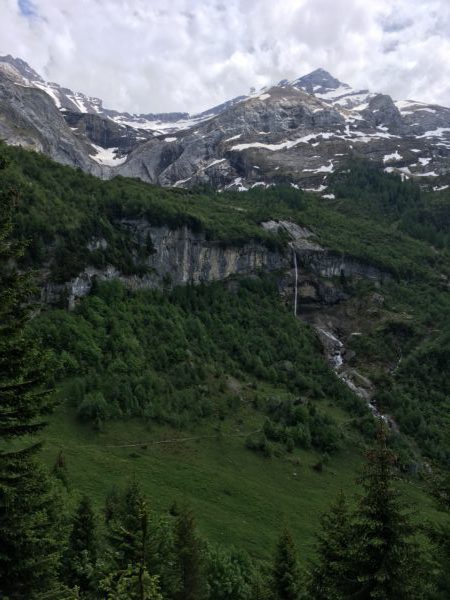
The Insta360 Air requests a firmware update the first time you want to use it. This takes a few minutes and then the device uses the phone’s gyroscopes to keep the image stable. On the Via Ferrata I climbed this weekend I used the insta360 Air and Xperia Z5compact phone to take one or two landscape pictures. In these images you can look up at the cliff, look across at the landscape or look down at how far from the ground I am. This is a nice way of giving people a feel for what it is like to practice Via Ferrata. For the use of this system, it is good to have both hands free. [vrview img=“https://www.main-vision.com/richard/blog/wp-content/uploads/2017/06/export_1496508048682-1.jpg” width=“500” height=“500” ] Use the mouse/trackpad to rotate the image

A Plastic Ocean - Recycle more

A Plastic Ocean is an excellent documentary detailing the problems and threats caused by plastics entering water systems and eventually reaching the seas and oceans. This documentary starts with a team trying to film whales. When they finally do find the whales off the coast of Sri Lanka they notice that there is a film of oil and plastic build up miles from the shore. They say that this bit of ocean should be clean as the beaches had been unused for years. They suspect that the plastic had been freed after heavy rains flushed them out to sea. I went to the Graduate institute to watch this film last night and the crowd was already well informed. When one speaker asked, “Did you know that the Plastic Ocean problem was this serious” at least half of the room, if not more raised their hand. When people were asked about the zero waste movement at least a third of people raised their hand. The auditorium was filled to capacity.

Ecosia - Planting trees with a search engine

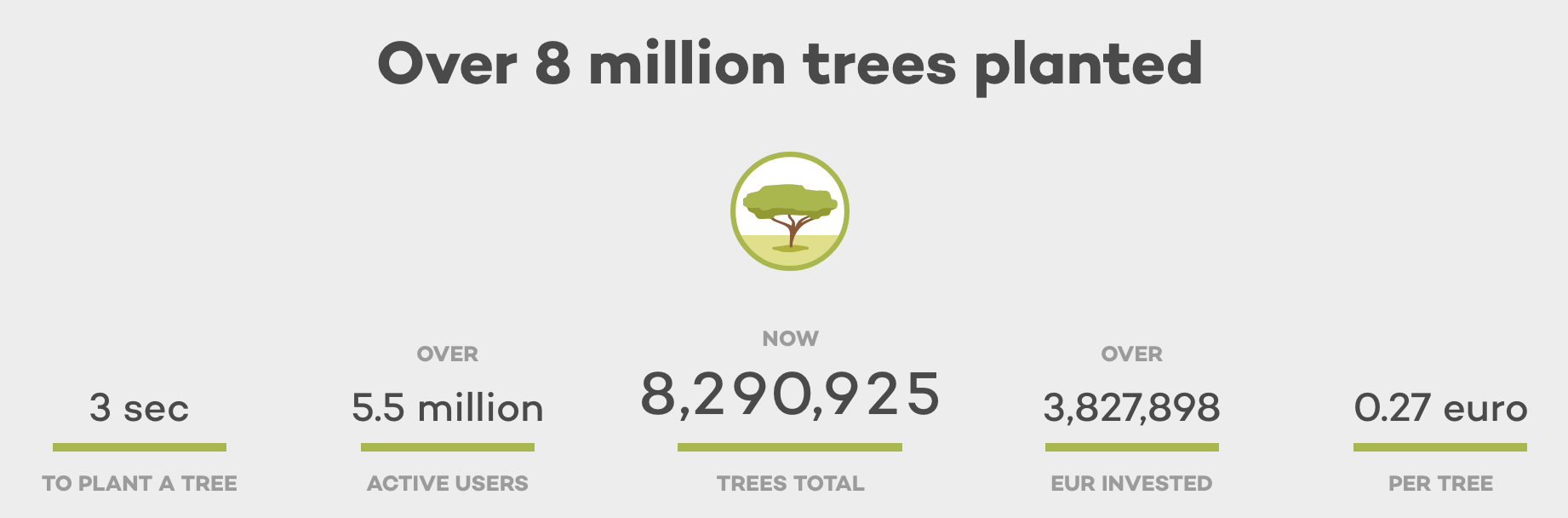
Ecosia is an environmental search engine for those who want to do social good through their web browsing habits. The principle is simple. You go to the Ecosia main page and type in your search engine query. For every search engine query that you do ad revenue is generated. This ad revenue is then invested into tree growing projects in a number of countries. [caption id=“attachment_3527” align=“aligncenter” width=“300”] At the time of writing, Ecosia earned enough to plant 8.2 million trees.[/caption] Deforestation is a threat faced around the world because as trees are removed so the environment of certain species is destroyed and this can lead to the extinction of species. The other consequences of deforestation are that the soil runs off of the land and clogs rivers. It also means that the humidity that was kept around by the trees and plants is now gone. When I worked as a video archivist I watched news items about refugees and how they were planting trees in their camps. They planted them as an investment in the future. Ecosia produced a video with a similar message which you can see above. They currently have projects in Peru, Madagascar, Burkina Faso, Tanzania and Indonesia. These projects cover a number of needs. They help to reforest areas where excessive logging has taken place such as in Peru. In Madagascar they are hiring villagers to replant the forests to help preserve biodiversity. In Burkina Faso they are planting trees to try to stop the desert from encroaching on the areas where people live. In Tanzania we find another conservation of biodiversity effort. In Indonesia they are planting ten tree species to stop the spread of Palm oil farming and to save the natural habitat of Orang Utangs. Europe, North America and other parts of the world were once covered in forests that were thick and full of life. With population growth and development forests were cut down for firewood and to provide space for fields and more. It is nice to know that today there are projects like Ecosia that aim to reforest areas around the world so that future generations may still play and enjoy forested landscapes. Either install the Chrome plugin or bookmark the website.

Unhappy facebook users - Marketers and Academics are looking in the wrong place.

Unhappy Facebook Users - Marketers and Academics are looking in the wrong place.

Every single day they publish articles about why social media is bad for us. Every day they ignore that we meet people via social media rather than bars. Every day they ignore that those I meet through social media work on interesting projects. Every day they ignore that if it wasn’t for social websites I would not have taken up via Ferrata, rock climbing and other sports. Every day they assume that we prefer alcohol, weed and hard drugs rather than textroverted conversations with people we get to feel comfortable with online, before meeting them in person. Do you really think that Facebook users would be happy sitting at a bar with a half empty glass of alcohol?

The age of Bloggers and Self installations

I come from the age of bloggers and self-installations. In fact, I come from the age of HTML pages and static websites. In those days we surfed the web looking for and finding content. We also found interesting bits of code and we added new features to our websites. We would install forums, guestbooks and more. In so doing our static websites became dynamic. At this point, our website could grow a community. At this time we had our PhpBB forum, our own wiki, our own WordPress installation. When we said, “My website”, “my blog” or “my forum” it was ours. We were the webmasters. We were the ones that had found the code and figured out how to install it on our web host. Communities were small and geographically dispersed across countries, continents and time zones so most interactions were verbal. Fast forward to today and most people do not have their own web server, their own wiki, their own web page or their own blogs. What they have are social media accounts hosted by others. They are not administrators, they do not have the technical knowledge. According to investors, marketers and other groups, these people are users of Twitter, Facebook, Instagram, Google Plus and other websites but their power is restricted to what they post and whether they delete their account. They are so disconnected from the mechanics of websites that they say “My Facebook”, “My Instagram”, “my twitter”. Web sites and by extension social media are not like books, mobile phones or bikes. Facebook, Instagram and Twitter are not yours. Your influence is restricted to your personal account, no further. I wanted to have my own microblogging platform, I wanted to have my own diaspora server and more. I never did because my technical skills and budget did not allow it. With both of these, you needed server permissions that I was not willing to pay for. At that time I would have had my own Twitter or my own Facebook. I would have installed them. I would have been the administrator. I would have had the challenge of finding a crowd or tribe to populate it with content. Recently I was also thinking about the discussion about curation that people were having. There was a time when the idea was to get people to surf the web, find content and organise it in such a way as to make it easy for others to find content. Now that we’re in 2017 the idea of curation has evolved. Everyone shares content so the need for dedicated people has dwindled.

The Drapel Climbing wall near Aigle

The Drapel Climbing Wall near Aigle is a nice place to climb. When I was there yesterday we were in the shade of the trees unless we were climbing. The temperature for this week is at around 25-27°c daily which is nice. These are almost summer temperatures, at last. The parking for this climbing wall is

Getting there

The parking for this climbing wall is here. I’m giving a specific location because when I looked at maps I was not filled with confidence. To get to the parking you go to Yvorne and from there towards Vers Monthey. You drive through a narrow gap between two houses and then along a viticultural road towards the forest. You go up a dirt road for a few metres. The parking is a clearing in the woods. From there you walk for between 10-15 minutes. You know you’re at the climbing wall because there is a bench overlooking the castle. Come back a few metres and you’ll see the climbing wall where there are routes.

Mental Health and Social media

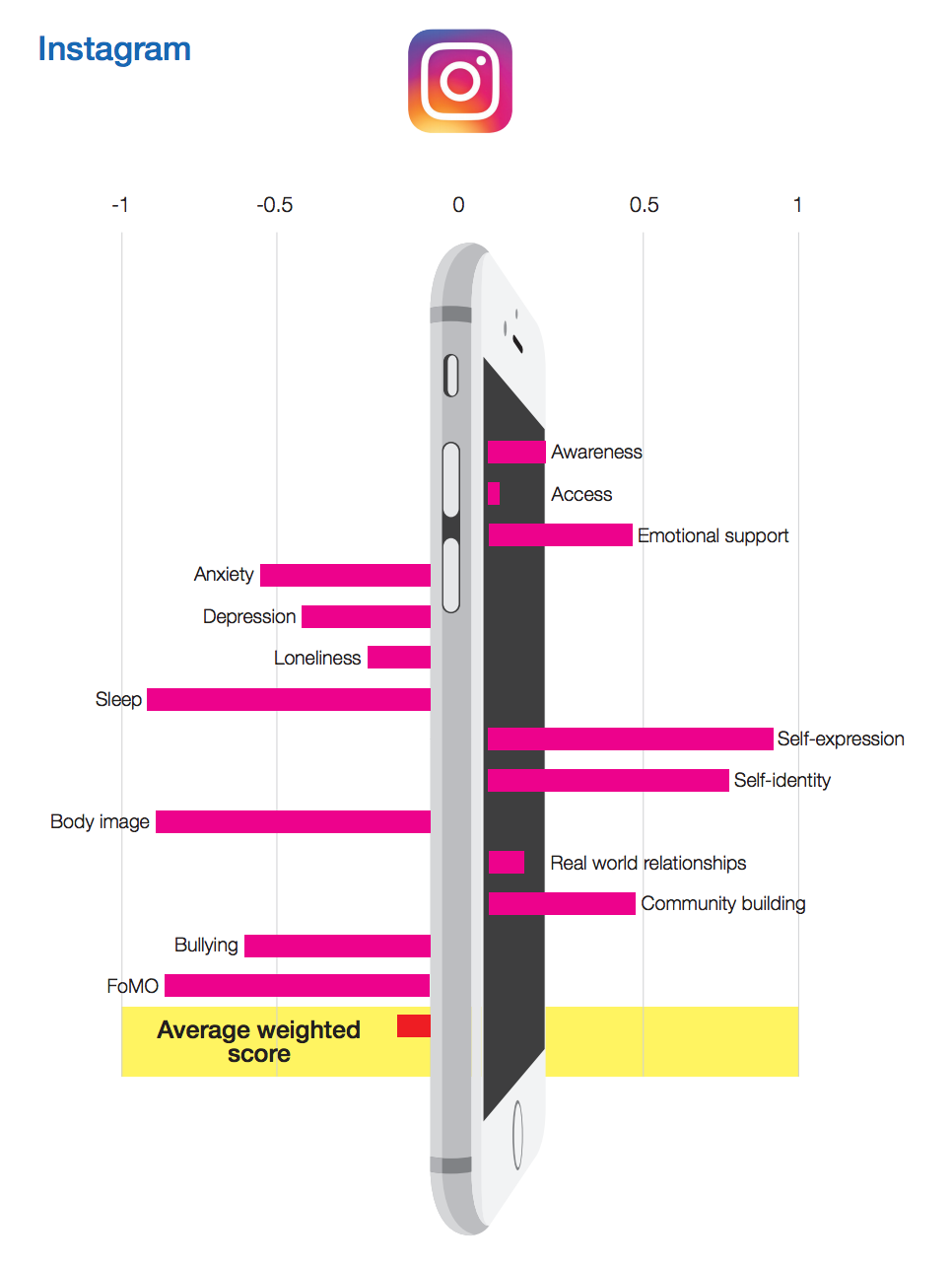
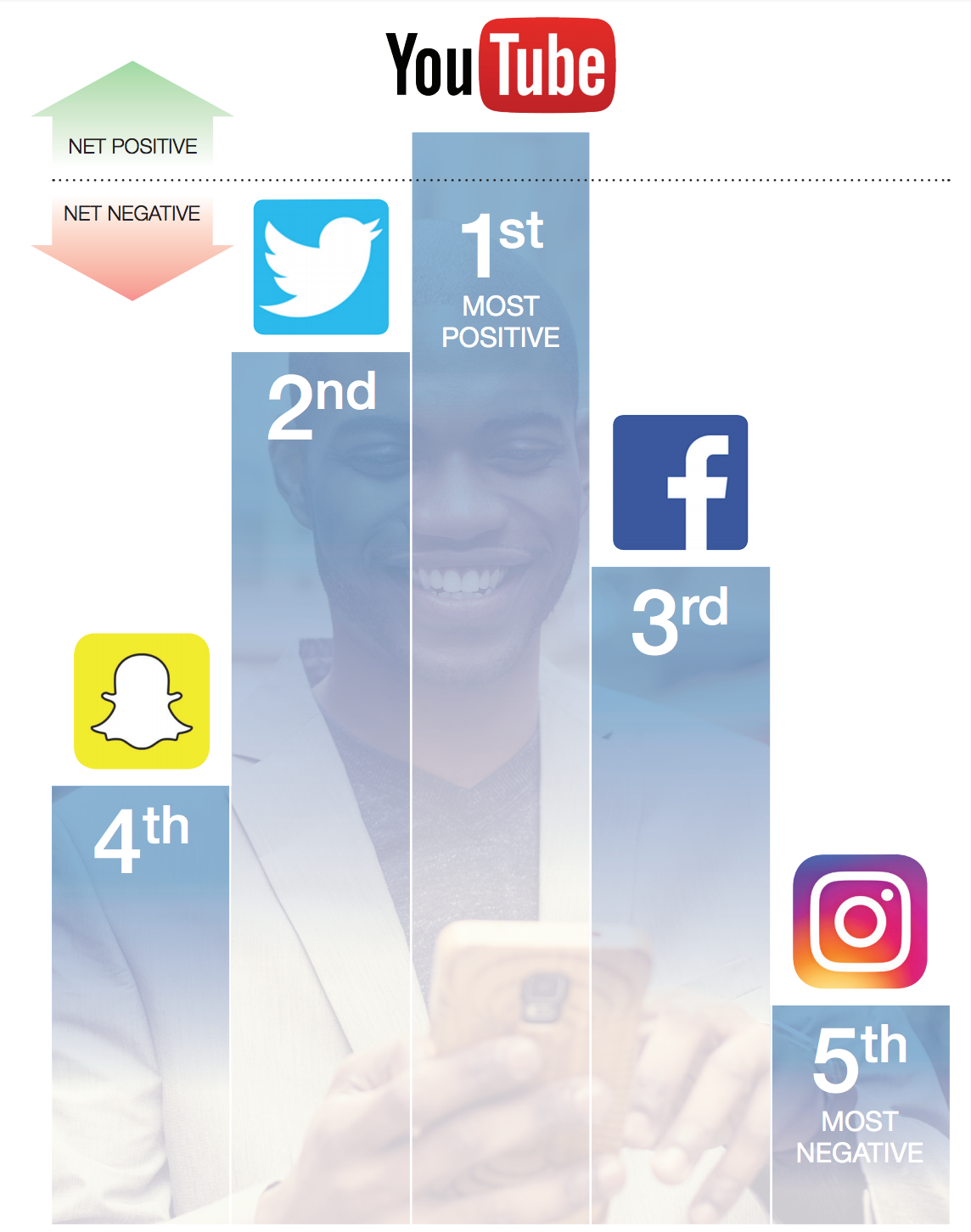
There is a lot of discussion about Mental Health and social media because most people are not social media natives. They are either Luddites who do not appreciate playing with technology. They see themselves as users rather than participants and then there are extroverts and other people who see Social Media as a threat to their way of life. We live in societies built for extroverts rather than textroverts. As a textroverts social media is a place for me to have full conversations without having to compete with extroverts who often hijack conversations through charisma and the superficiality of what they have to say. The Royal Society for public health wrote a paper on the topic [caption id=“attachment_3508” align=“aligncenter” width=“770”]instagram graphic Instagram is bad ;-)[/caption] It’s amusing that Instagram is theoretically the worst social app because if people use it like me then they would share their hikes, their climbs and their adventures. These would lead to FoMO and a feeling of solitude if people were motivated to do the same activities as me but unable to. Anxiety, body image, depression and bullying are all consequences of how marketers have encouraged people to use instagram. When brands and social media “personalities” post certain images and when brands promote certain behaviours then they encourage people to idealise the wrong things. They encourage superficiality rather than genuine interactions. It should be highlighted that a lot of people use Instagram for selfies and this leads people to compare themselves to others. If they photograph food, sports, mountains, seasides and more the negative aspects highlighted above would vanish. [caption id=“attachment_3509” align=“aligncenter” width=“807”]Ranking social media Ranking social media[/caption] It’s amusing that Youtube is the highest and most positively ranked social medium because it is the one that my generation see as having the most negative comments. We often joke that youtube is fine until you read the comments. It’s good that people like Twitter and Facebook because twitter is great for getting to know people and Facebook is a useful way of staying in touch with friends when we travel and move around for work and university. The Royal Society for Public Health came out with a few recommendations:

The World VR Forum - Year 2 - The Conferences

I was a volunteer at the World VR Forum again this year. I was in the conference room providing speakers with microphones before they went up on stage. As a result of this I was able to listen to many interesting speakers. They spoke about a diversity of topics of interest to various groups.

Google Earth and the HTC Vive

Dominik Käser presented Google Earth VR. He spoke about how Google had spent time thinking about how the earth sounds in different locations, from different altitudes and more. He spoke about how they thought about the sound of a dragging rock when the globe is spun slowly and a jet when it is spun faster. He also spoke about the considerations for how to move within this environment. An excellent demonstration of Google earth in VR is included with the video above. It would be a fantastic tool for journey planning.

Shark Reporting.

In the age of drones this is how shark reporting should be done. The Coast guard or local surfing schools should fly a drone around and check to see whether there are any sharks present. If and when they spot a shark or groups of sharks they could temporarily close the beach until the threat is gone. It reduces the need for shark nets. It also reduces the need and desire to kill any shark that is spotted as people are informed ahead of this time. The report tells us that the sharks in the video are juveniles and that the reason for which they are on this section of beach might be linked to a dead whale floating “about eight miles away in that direction”. There is no sensationalism. We are given the facts. The report then tells people that if they do want to swim or surf and be safe they should stay near the lifeguard tower. When a whale dies it provides sharks with enough food for days or even weeks. It provides them with food until it looses buoyancy and sinks to the bottom of the sea where crabs and eels eat the remains. I’m sharing the second video because we see divers photographing and filming sharks as they eat a whale carcass. We see how close they get without any difficulties. There are a number of interesting documentaries to learn more about sharks and I recommend watching Sharkwater because it shows that rather than sharks being a threat to us it is us that are a threat to sharks. By taking a calm and rational approach to sharks we are helping preserve the ecosystem. By learning to cohabit with these animals we are allowing future generations a chance to see these animals. With today’s technology we can monitor risk, especially on calm and clear days.