Archives

11 years of Wordpress Blogging

As serendipity would have it I have been a wordpress blogger for at least 11 years. As I was looking through notifications on worpdress.com I came across the notification below yesterday. As I searched for ideas for blog posts for today I came across an e-mail. [caption id=“attachment_3709” align=“aligncenter” width=“169”]10 years of Wordpress 10 years of Wordpress[/caption] [caption id=“attachment_3710” align=“aligncenter” width=“1024”]11 years of Wordpress 11 years of Wordpress[/caption] On this day, eleven years ago I set up this blog. Since then I have written about one thousand two hundred posts, tens of thousands of tweets and many many facebook messages. I mention this because blogging and social media are two different challenges. With blogging you spend the day thinking about a topic. You’re searching for something that you can write about for 300 or more words. Compared to nanowrimo where you try to have an average of 1666 words per day this is easy, until you add the public dimension. Writing for the world wide web is different to writing for yourself, with the knowledge that you will go back and edit it, eventually, if ever. Writing for twitter and facebook is easy. Twitter is a conversation so the more you socialise with other people the more dynamic your posting can be. The same is true of facebook except that facebook is a “silo” of people you vet and trust. Twitter is in essence a chatroom. A blog post is more time consuming. I like to write about technology and about the adventures I have. That’s when inspiration is easier. Imagine for an instant that Wordpress.com was more popular than Facebook or twitter. Imagine for a moment that people decided that instead of spending a few seconds per update they spent half an hour to an hour per post. Imagine that people read long form posts rather than short updates. Imagine that we go back to a blogging social media landscape where people write reflective posts. Imagine that we read rather than skim. The beauty of the long form, of writing blog posts is that we create content that people search for and read. Emotion is involved, but so is thought. Through blogging we generate an income for our content. More people should blog, and more people should share their posts.


A dry Paléo

A Dry Paléo after the rain

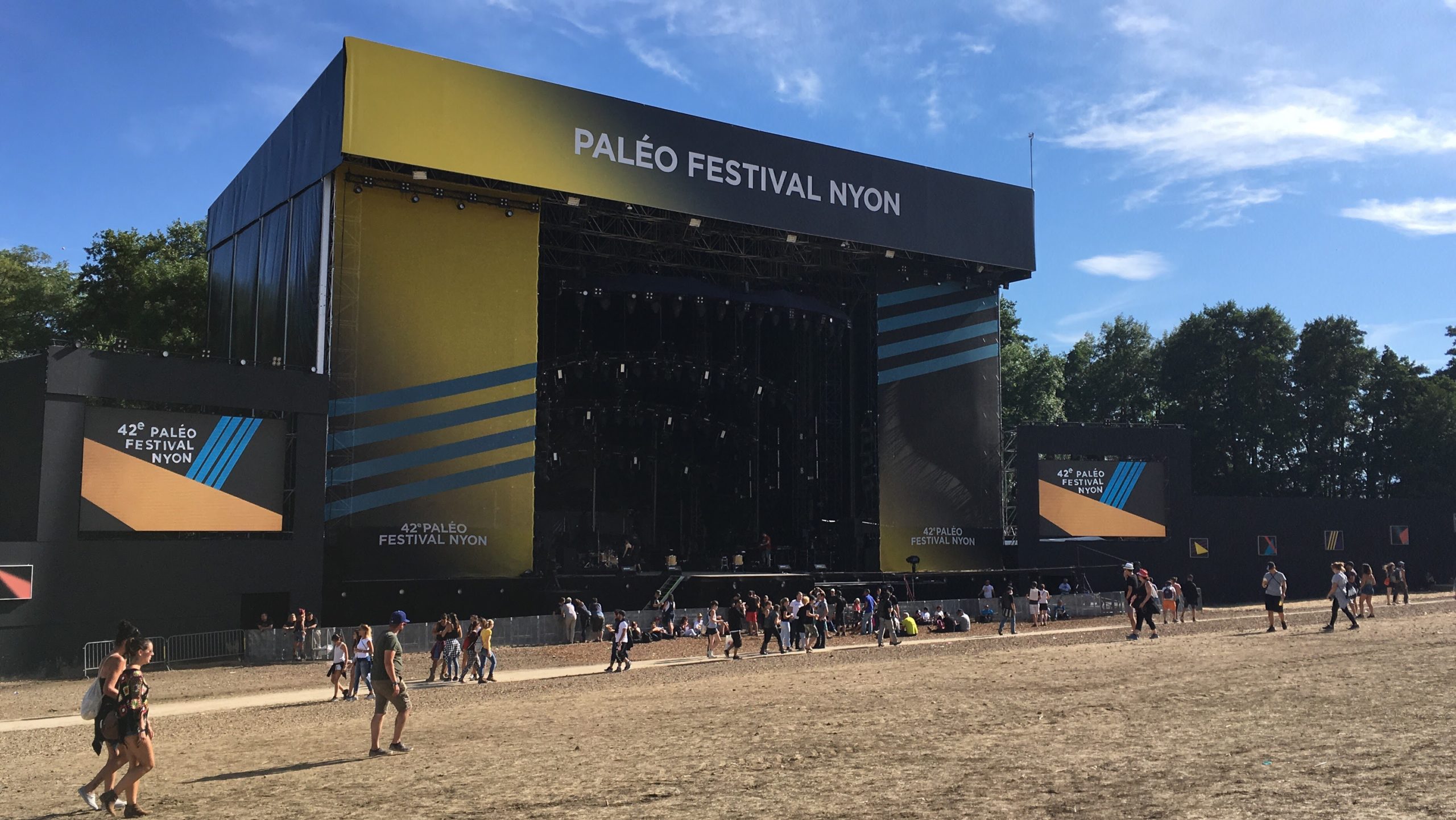
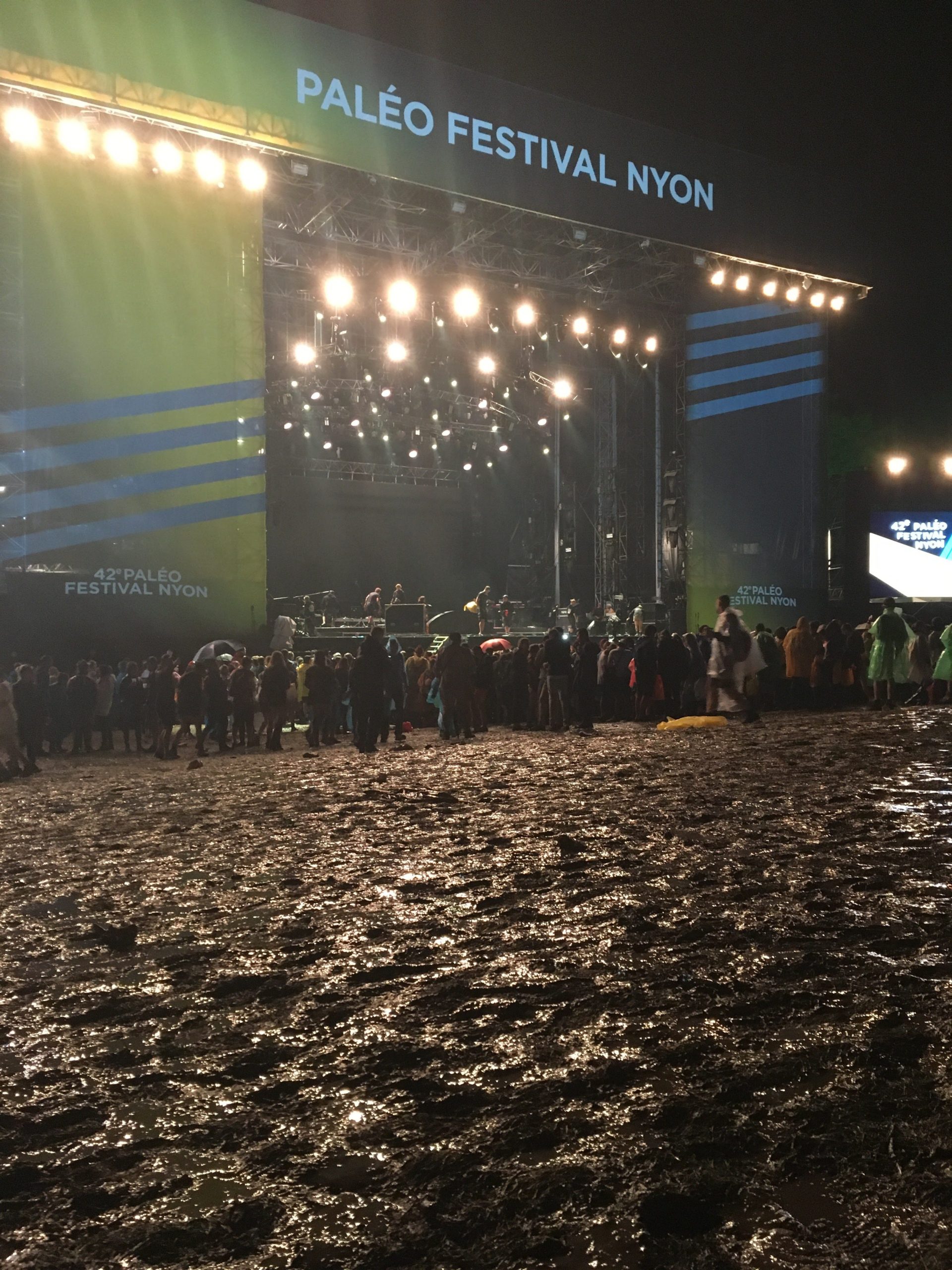
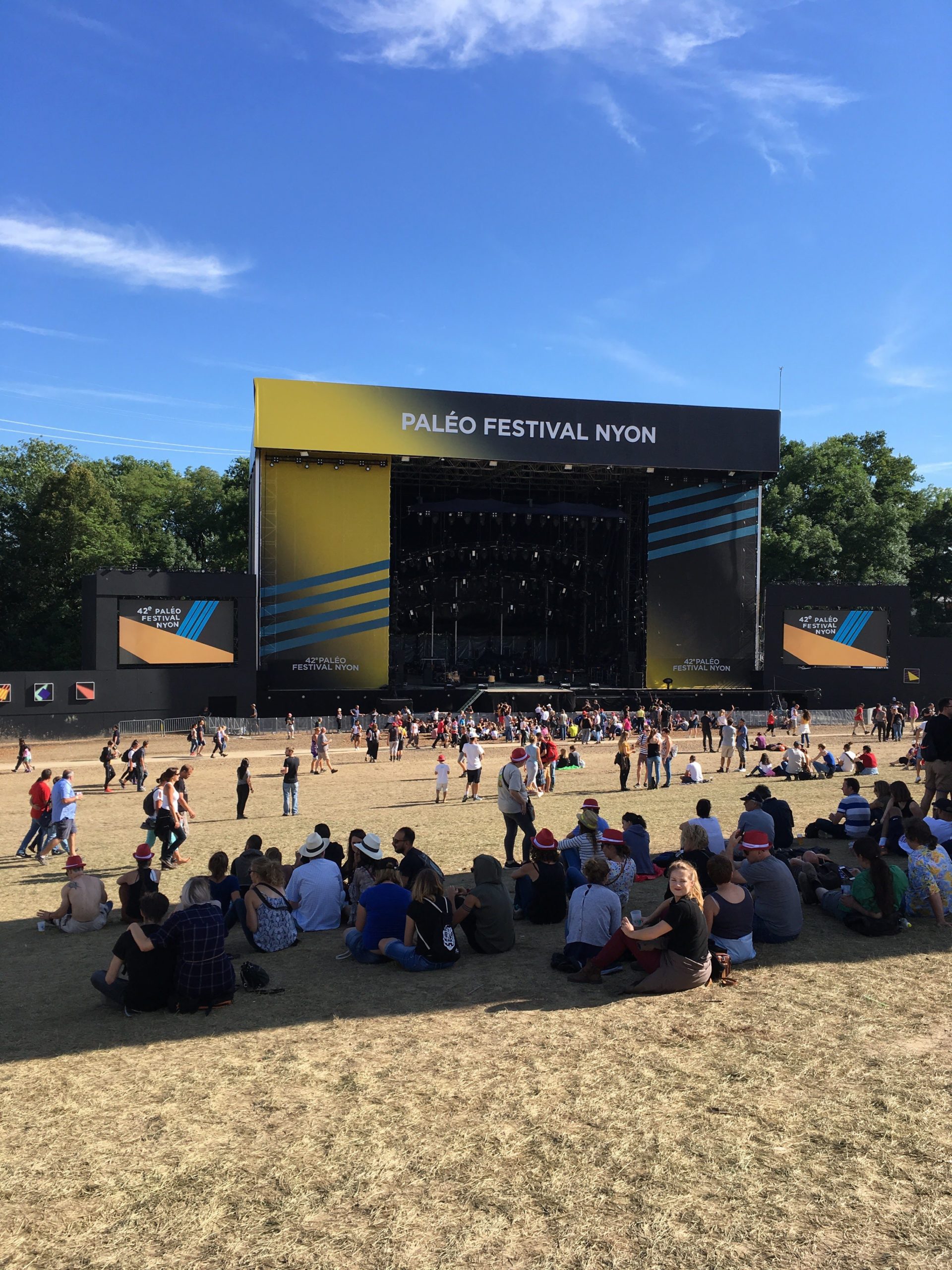
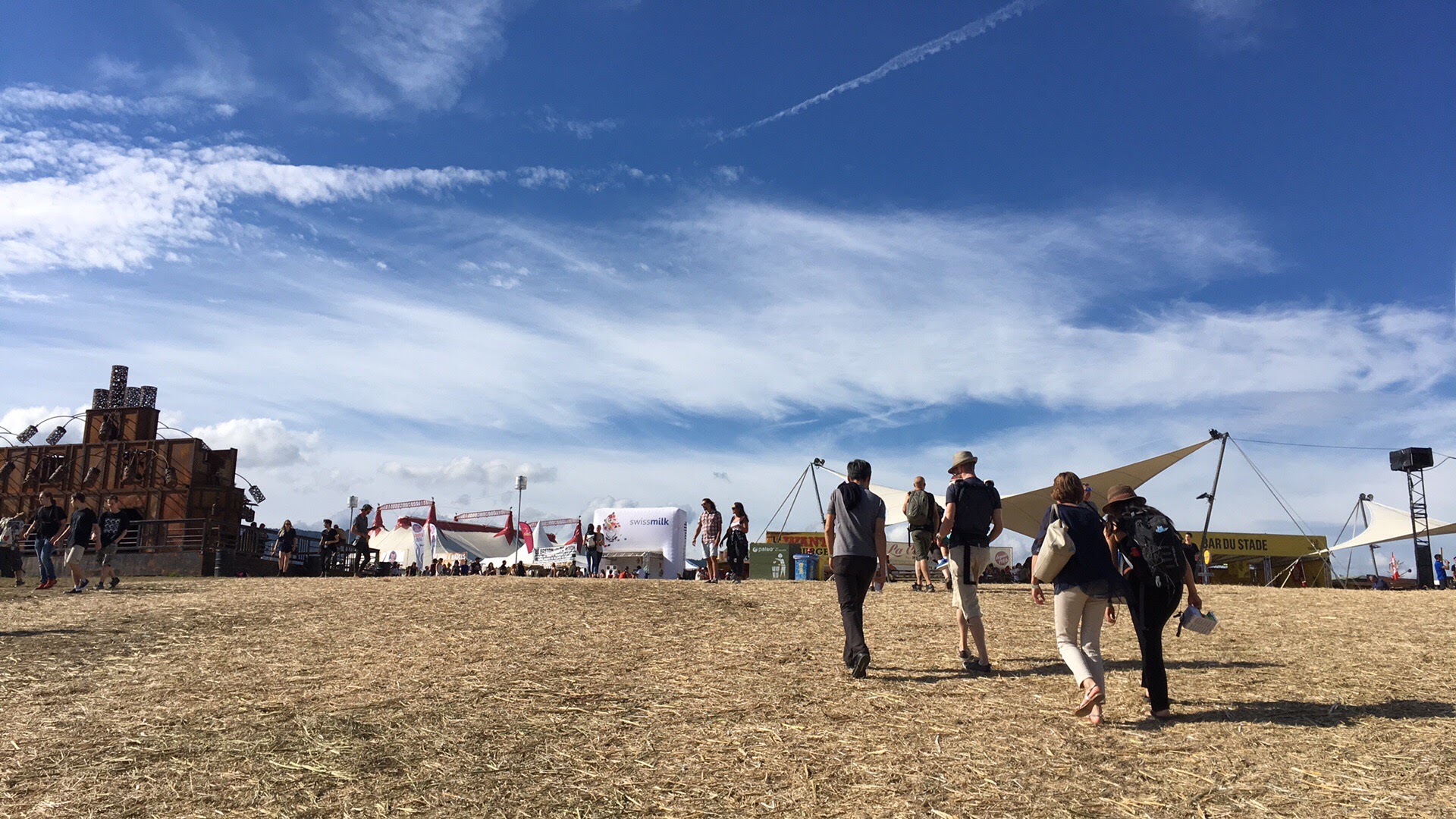
A dry Paléo is as normal as a wet one. On Friday and Saturday if you went to Paléo you would hear the sploutch sploutch of shoes walking through mud. Along with the sploutch sploutch you would also hear the noise of people slipping and catching themselves. Surprisingly people only had dirty shoes. Even their trousers were intact. It’s the grass that suffered. On Sunday when I went to Paléo I could take some amusing images. Look at the image below. During the rest of the year this is a grassy field. During Paléo you can see desertification in action. They put hay down on the dry mud and the result is what you see below. [caption id=“attachment_3694” align=“aligncenter” width=“768”]A dry Paléo A dry Paléo[/caption] This year the temperatures were relatively cool during the Paléo Festival but some people still sheltered from the sun. I like to think that those sheltering from the Sun have already enjoyed several days of Paléo and feel the need to recover before the last night’s activities. [caption id=“attachment_3695” align=“aligncenter” width=“1024”]A Dry Paléo A Dry Paléo[/caption] During most of the year Switzerland is wet and green but during a few weeks in summer the landscape turns yellow due to the dry weather. On Friday there was a warning to stop pumping water from rivers. They issued this warning because they wanted to make sure that the temperature of river water would not get above 26°c. I like the image of these people walking towards Paléo restaurants because the landscape looks so dry and desolate. There is no sign of green. It looks parched. One person said of this image that it looks as if it could have been taken at Burning Man. Neither of us has been so we can pretend that’s the case. [caption id=“attachment_3696” align=“aligncenter” width=“1024”]This is the main stage after the rain This is the main stage after the rain[/caption] When tens of thousands of people churn up the mud and grass the grass doesn’t stand a chance. It gets buried under the mud and as the mud dries we see an “arid” landscape. [caption id=“attachment_3697” align=“aligncenter” width=“768”]The main stage when it’s raining The main stage when it’s raining[/caption] If you look on Google Maps you will see that the traces of Paléo are evident every single year. As Autumn and Winter approach the traces of Paléo are gone. The fields go back to being grass and they rest. The effects of the festival are short lived.

Manu Chao At Paléo

The Manu Chao Concert

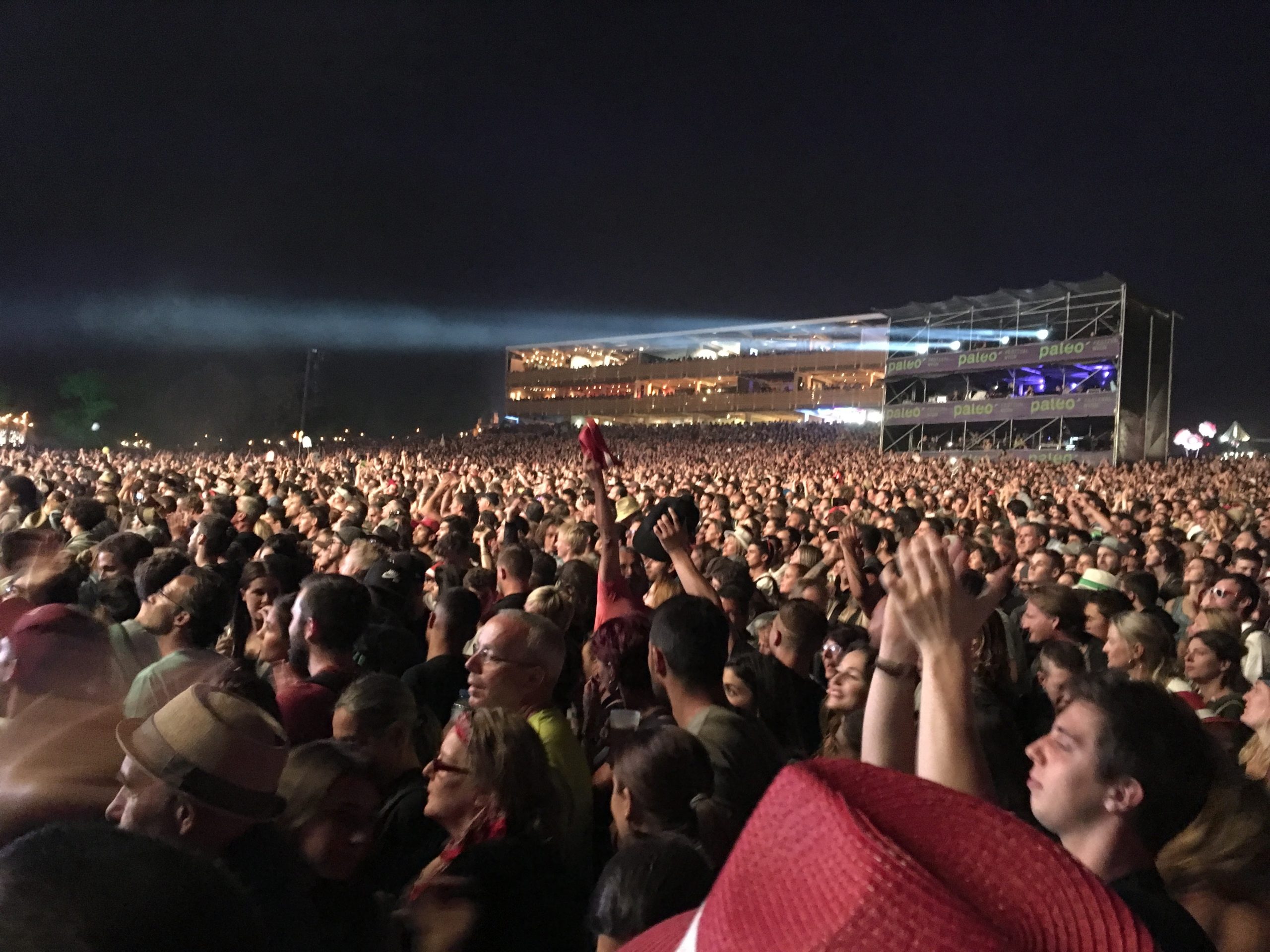
Manu Chao was on the Grande Scène at Paléo last night. His concert lasted for an energetic two hours. He kept saying"Vous êtes Fou, Paléo". He gave a lot of energy and so did the audience. For two hours he jumped around, for two hours the audience jumped around too. The sea of faces and people were impressive. In the distance you could see pac-man and a few ghosts bobbing up and down with the music. [caption id=“attachment_3682” align=“aligncenter” width=“300”]The Manu Chao Sea of faces The Manu Chao Sea of faces[/caption]

The Right side of the transmission chain - acquisition

The right side of the Transmission Chain is at the event itself.  Transmission chain is a term used to describe the route that a signal takes from an event venue to the device on which you are watching an event. As a camera operator the right side of the transmission chain for me is at the event itself.

Belaying

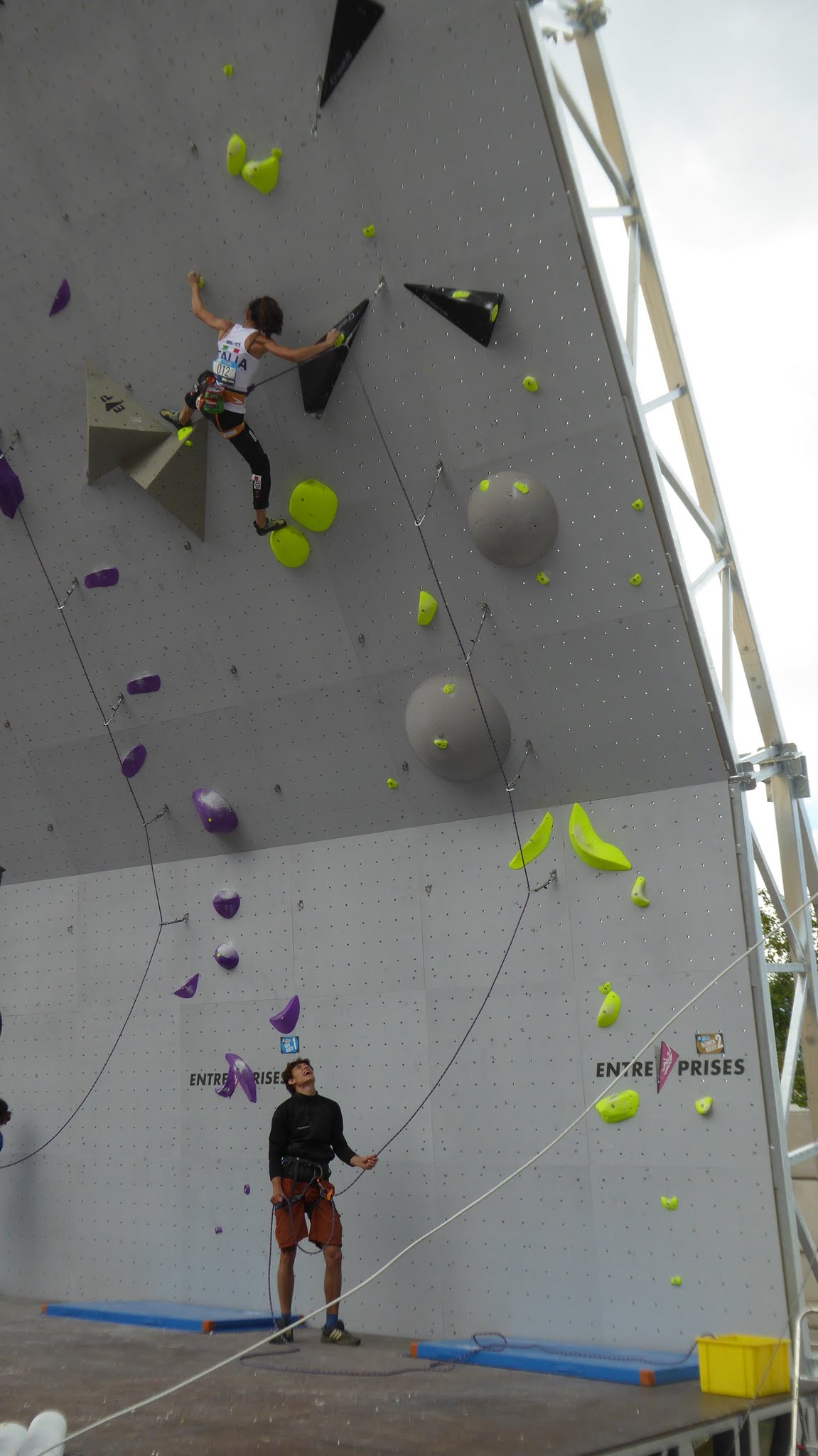
For the IFSC World Cup in Villars this year I was both a camera operator and a belayer. Belaying at a world cup event is an interesting experience because it’s rare to clip and unclip from so many climbers in such a short amount of time. Climbers have a limited time to get up the route. They have six minutes. This means that every 12 minutes or so you’re belaying a new climber as they progress up the wall. It’s a great task for introverts. You observe what the person is doing. When they need rope you’re ready to give it. If they’re struggling you make sure to amortise their fall. When they make it to the top or come back down you help them untie the rope and then you start again.

Day 2 - Villars-sur-Ollon to Le Sepey

Hiking from Villars-sur-Ollon to Le Sepey

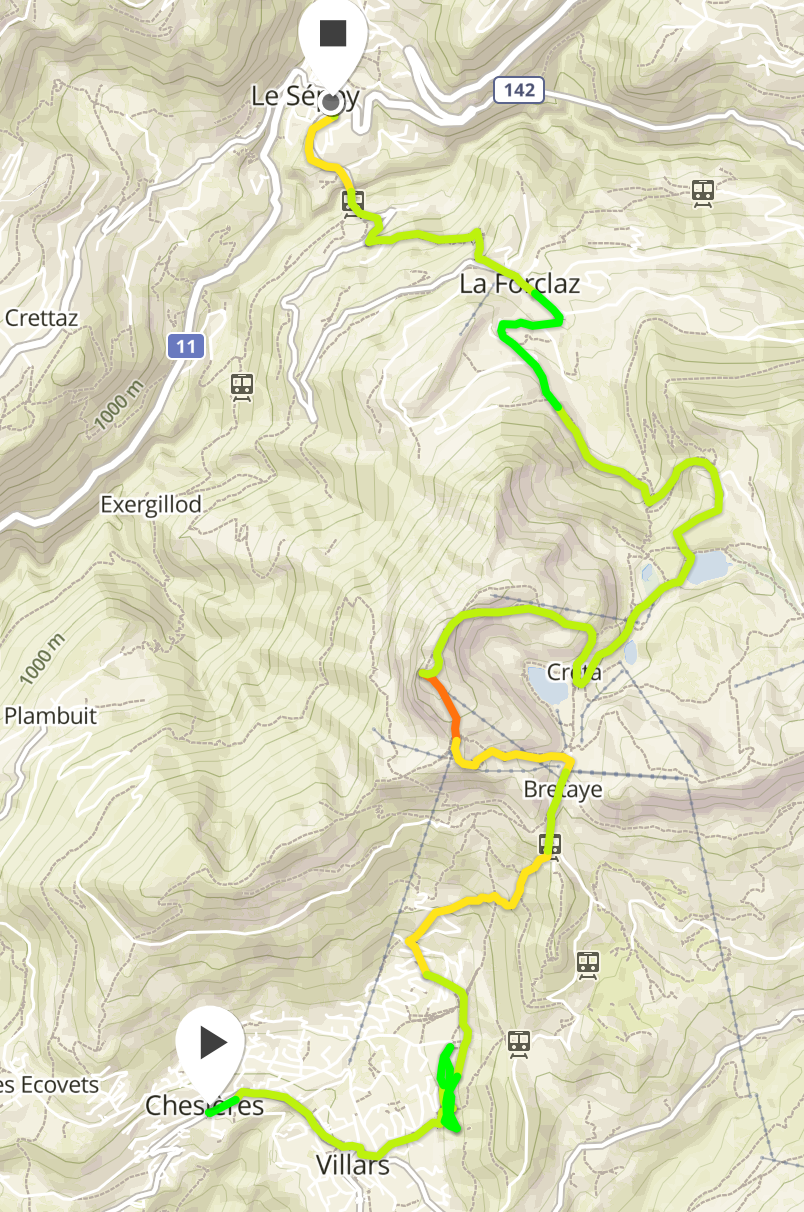
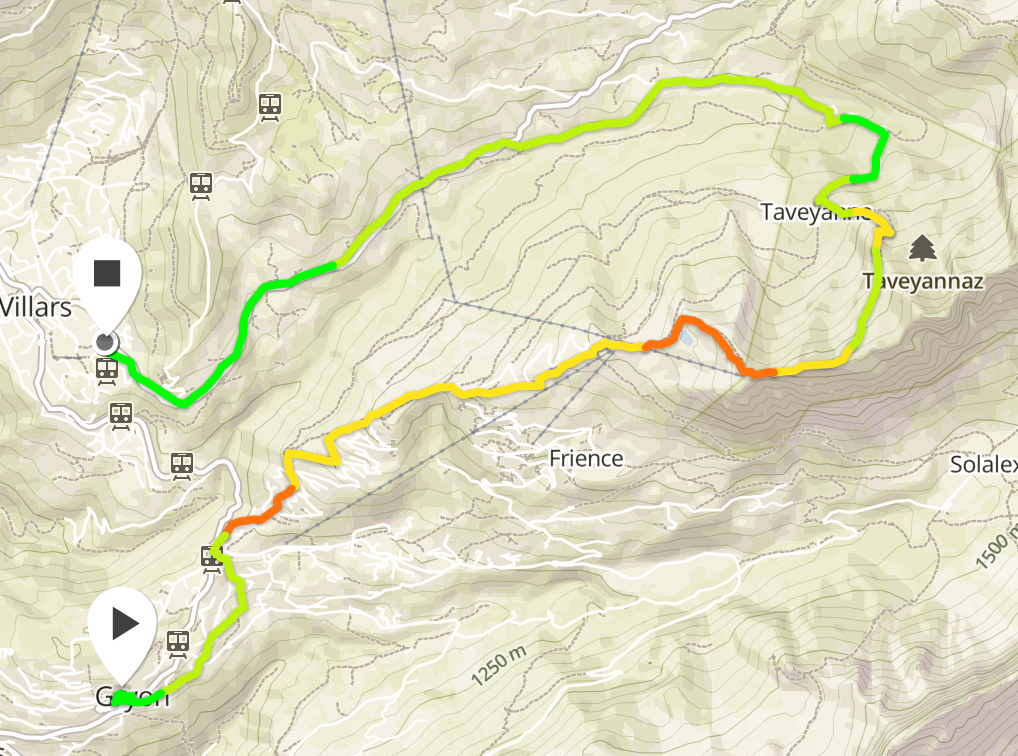
On the second day we hiked up from Villars Sur Ollon to Le Chamossaire. The trail is easy to follow. When you exit the town it takes you through some woods before emerging on to a prairie. From this prairie you have a nice view of the landscape. From here we progressed laterally to the next wooded part. We crossed some fields filled with flowers. Some parts of this trail are muddy so hiking boots simplify the effort. We also crossed a prairie where cow hoofs had churned up the mud. [gallery columns=“2” ids=“3663,3664,3665,3666,3667,3668,3670”]

Day 1: Hiking from Gryon to Villars Sur Ollon.

First evening

This weekend I went on a two day hike. It was a combination of a Summit Foundation themed hike and a Wehike event. The hike was over two days and two nights. We arrived on Gryon on Friday night and stayed at the Chalet Martin. This is a nice relaxed backpacker hostel with a trampoline, bunkbed rooms, optional breakfast and more. It is located within easy walking distance of the train station and is easy to find. I slept well.

Improved Belaying - perfecting our technique

Belaying is a core climbing skill. With good belaying a climber can climb as fast as he is comfortable to climb, as if without a rope and yet have his fall cushioned at be safe at all times. The belayer needs to be active. He needs to observe and be attentive. I first learned to rock climb with a rope about ten years ago on the Italian side of the Alps and at the time I enjoyed climbing more than I enjoyed belaying. I then spent several years climbing via ferrata instead. The advantage with via ferrata is that it’s a simplified form of climbing. Over a year ago I started climbing indoors daily as I finally found a group with which to climb. My interests and skill in belaying improved. Yesterday I assisted a short belaying perfection course in anticipation of the Villars IFSC climbing event. During this session we were reminded of a few key points.

The Facebook Monopoly

I am tired of the Facebook monopoly. While Google gets fined for helping people shop websites like Facebook do the opposite. Instead of increasing the diversity of content on the web and the sharing of ideas it has helped create silos of like minded people. Likeminded people is a polite way of saying brainwashed in the case where opinions are based on opinions rather than facts.

Low value posts

Shorts on Facebook are usually very short. You skim through dozens, even hundreds of posts but none of them have much value. Compare this to blogging. When you blog you need to develop ideas that you can expand to at least three hundred words. With those three hundred words you can include images, video, tables and more. You can tell a complete story. On Facebook you post some text and people might read it.

Thoughts on Google's fine.

In a Facebook dominated world, in a world where people see Facebook and the Internet as the same thing it saddens me that Google gets a 2.7 Billion Euro fine when Google is an excellent source to search for products, reviews and the best deal.  

“What Google has done is illegal under E.U. antitrust rules,” Ms. Vestager said in a statement on Tuesday. “It denied other companies the chance to compete on the merits and to innovate. And most importantly, it denied European consumers a genuine choice of services and the full benefits of innovation.”

Clean Water for Hikes and cycling, without the weight

Clean water is important to have when you’re cycling, hiking or climbing in summer but the issue is that it is heavy. When I go cycling I go with just one flask and I fill up the water bottle when I get to fountains that are marked as safe to drink from. When I go hiking or climbing I usually do not go with more than one and a half litres of water although I have gone with up to three litres for a hot summer day’s activities when the temperature is above 32°c. In Switzerland, France and Italy you theoretically do not need to walk with that much water because you cross streams, fountains, rivers and lakes. If you had a water filtration system you could theoretically purify the water from these sources and continue hiking. Yesterday I came across Katadyn and two solutions for water filtration.