Social Conscience

Day Seventeen of ORCA in Switzerland – April Fool's During Self Isolation

April Fool’s during self isolation is not fun. People made jokes about how our freedoms would be limited even further. In ordinary situations those jokes would be detected but because we have the freedom to get food, go for walks, and sit at home we have no other rewards as such. One of the jokes was that bandwidth would be throttled. The second was that Strava would be used to track people and the third was that bikes with handlebars would be allowed but not racing style bikes.
A Homemade Electric Car - Youtube Video

On one side of the Channel, you have people like Colin Furze building fun machines that have the fatal flaw of having an internal combustion engine. On the other side of the Channel, you have people like Marc Gyver building an electric car with easily bought components. The video below shows the construction process without talking, and without music.

https://www.youtube.com/watch?v=3FIznSec7BA

For about 2000 Euros, with bike parts, and the right skills, you can build your own cars. You have four powered bike wheels to power the car, two solar panels on the roof to generate 200W and a charge time of two and a half hours for a range of 20 kilometers and a top speed of 50 km/h. The range is perfect for when you need to do things within a short distance.

Four Practical Jokes to Play in a bunker

Sock on the door

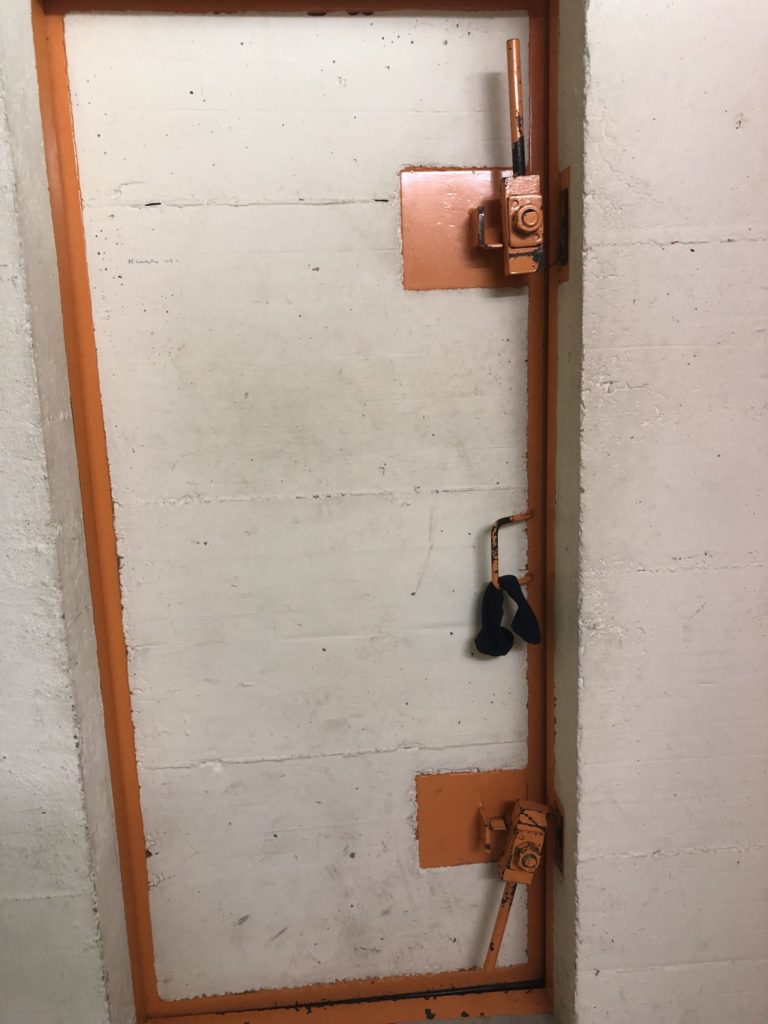
In US films a sock or other object on a door handle implies that there are two or more people enjoying bedroom sports. As a couple were in one room I took the opportunity of speaking about doing this joke and then doing it. It’s harmless fun in an original context. How often do you see this in an air raid shelter?

Glass of water thrown onto a person taking a shower

I always want to throw cold water onto people taking a shower so I tried with my hands. I mentioned this idea to someone else and he grabbed a glass of water and threw it onto his girlfriend. I think she was slightly disappointed that it hadn’t been me throwing the water.

Mental Health and Social media

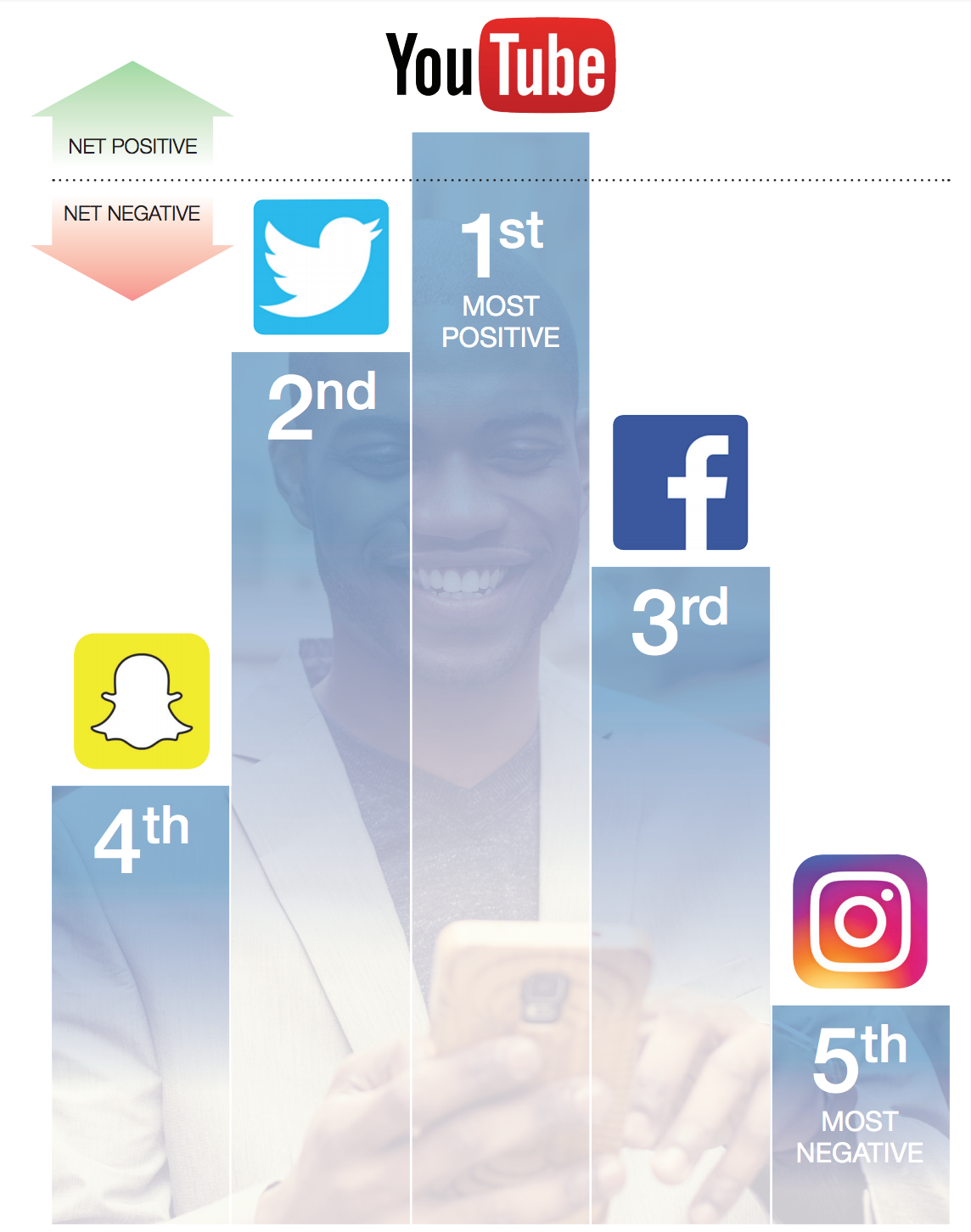
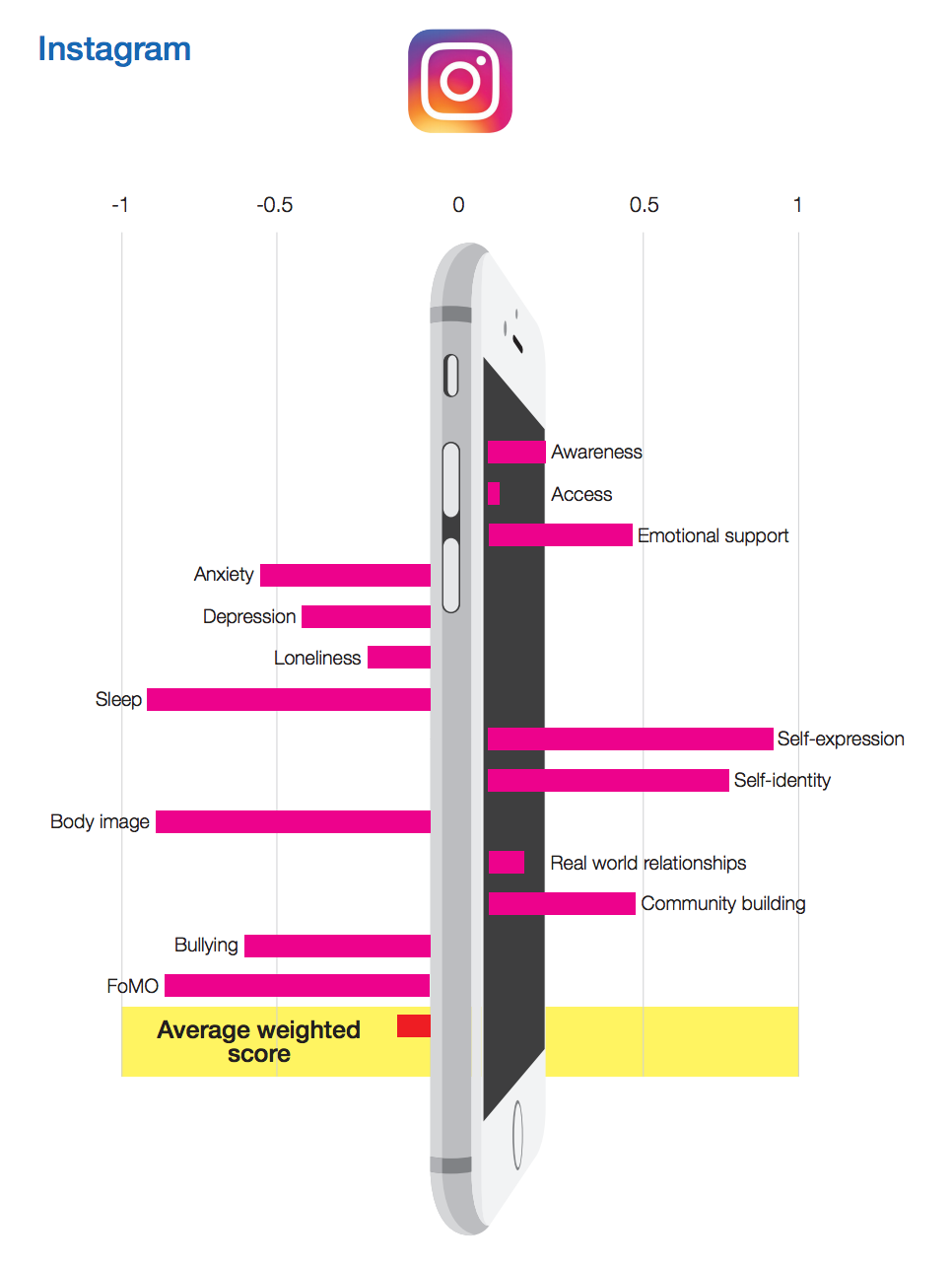
There is a lot of discussion about Mental Health and social media because most people are not social media natives. They are either Luddites who do not appreciate playing with technology. They see themselves as users rather than participants and then there are extroverts and other people who see Social Media as a threat to their way of life. We live in societies built for extroverts rather than textroverts. As a textroverts social media is a place for me to have full conversations without having to compete with extroverts who often hijack conversations through charisma and the superficiality of what they have to say. The Royal Society for public health wrote a paper on the topic [caption id=“attachment_3508” align=“aligncenter” width=“770”]instagram graphic Instagram is bad ;-)[/caption] It’s amusing that Instagram is theoretically the worst social app because if people use it like me then they would share their hikes, their climbs and their adventures. These would lead to FoMO and a feeling of solitude if people were motivated to do the same activities as me but unable to. Anxiety, body image, depression and bullying are all consequences of how marketers have encouraged people to use instagram. When brands and social media “personalities” post certain images and when brands promote certain behaviours then they encourage people to idealise the wrong things. They encourage superficiality rather than genuine interactions. It should be highlighted that a lot of people use Instagram for selfies and this leads people to compare themselves to others. If they photograph food, sports, mountains, seasides and more the negative aspects highlighted above would vanish. [caption id=“attachment_3509” align=“aligncenter” width=“807”]Ranking social media Ranking social media[/caption] It’s amusing that Youtube is the highest and most positively ranked social medium because it is the one that my generation see as having the most negative comments. We often joke that youtube is fine until you read the comments. It’s good that people like Twitter and Facebook because twitter is great for getting to know people and Facebook is a useful way of staying in touch with friends when we travel and move around for work and university. The Royal Society for Public Health came out with a few recommendations:

Shark Reporting.

In the age of drones this is how shark reporting should be done. The Coast guard or local surfing schools should fly a drone around and check to see whether there are any sharks present. If and when they spot a shark or groups of sharks they could temporarily close the beach until the threat is gone. It reduces the need for shark nets. It also reduces the need and desire to kill any shark that is spotted as people are informed ahead of this time. The report tells us that the sharks in the video are juveniles and that the reason for which they are on this section of beach might be linked to a dead whale floating “about eight miles away in that direction”. There is no sensationalism. We are given the facts. The report then tells people that if they do want to swim or surf and be safe they should stay near the lifeguard tower. When a whale dies it provides sharks with enough food for days or even weeks. It provides them with food until it looses buoyancy and sinks to the bottom of the sea where crabs and eels eat the remains. I’m sharing the second video because we see divers photographing and filming sharks as they eat a whale carcass. We see how close they get without any difficulties. There are a number of interesting documentaries to learn more about sharks and I recommend watching Sharkwater because it shows that rather than sharks being a threat to us it is us that are a threat to sharks. By taking a calm and rational approach to sharks we are helping preserve the ecosystem. By learning to cohabit with these animals we are allowing future generations a chance to see these animals. With today’s technology we can monitor risk, especially on calm and clear days.

Black Mirror - A television series

Black Mirror - a television series Black Mirror is a television series that was broadcast by Channel 4 a few years ago and made available to Netflix audiences recently. The series explores a variety of topics and issues to do with technology from death to crime and existentialism. It also explores themes like family and friendship. We spend a lot of time thinking about technology and how it has changed our lives. Sometimes it’s fun to watch 80s series to see the world as it was before computers and the internet and sometimes it is fun to watch dystopian essays or short stories exploring facets of modern life. In modern society we see that social media is affecting the discourse that is taking place between politicians and normal people. We see how social media and the lowering of the barriers of entry to the fourth estate have created a golden age for propaganda and disinformation. We see in The Waldo Moment that a CGI bear can mock the political system. It could be directly related to what we have seen happen recently. Be Right Back deals with online identity and how a person can be emulated once they have died. The question is an interesting one. The more active we are on social media the more our character and personality can be understood and reflected back. This is limited. We are not entirely ourselves online. There are some things that we hide from the online world. In Fifteen Million Merits we see a dystopian vision of the world where everyone lives in a small dark room. They get out of this room to go and peddle for a few hours to get Merits. Once they have 15 million merits they can “apply” for a different kind of job via a talent show. Nosedive explores popularity and social networks. Everyone is constantly being rated based on what they share, how they interact with others and more. In such a dystopia people can progress or lose privileges based on reputation. In such a reality people are vulnerable. A vertovian theme is explored in “The Entire history of You”. An implant called the Grain records your entire life and you have the ability to fast forward and rewind moments of your life. In so doing you can analyse what went well, what went badly and more. You can also see more than you were intended to see through other peoples’ recorded experiences. In this episode we see the Kino-Eye, the all seeing eye. Your life is no longer private. I like some of the themes that are explored in this series and I recommend people to watch at least some of the episodes. I feel that they are relevant to our discussion about social media and online lives.

A satirical look at music festivals as a form of psychological torture

When we’re 14-28 years old the idea of going to a music festival to see the artists we spend our free time listening to is fantastic. Imagine all that drinking, that mud, that food, those opportunities to seduce and best of all that ambiance. The prospect of going to a music festival is so appealing that we fantacize about going to work as bénévole to have the full experience. I have been through that experience several times as a result of which I chose to have a week off from socialising to recover. Now that I have provided you with context I want to take a satirical look at music festivals as a form of psychological torture for those of us who have grown too “old” to know which artists are playing.

A Nonverbal Autism Video Interview

I saw Horyou share a link to Speechless with Carly Fleischmann. This is a Nonverbal Autism Video Interview carried out via typed words on a tablet.  The text is read out electronically. The interview is warm and convivial. It stands out because it does not use a fast talking or energetic host. The interviewer does not talk, in the conventional sense. They could easily have inter-titles rather than synthesised voice. It is because they show the challenge of this interview that it is interesting. It shows that charismatic fast talkers are not the only people with an opportunity to interview artists. It shows that given the right circumstances anyone can interview artists and that desire and interest are required but that solutions can be found for other challenges. It opens up the world to a diversity of people. Imagine video interviews in sign language for example. There is no reason for a specialist channel not to take on this challenge, to fill this niche. Three things make this possible: Video production costs have gone down so it is easy to find the budget to record such an interview, technology makes communication for nonverbal people much simpler and finally Youtube makes content distribution to an audience easy. This video has three and a half million views. I will find more videos like this. I believe that they play an important role in modern society where we believe that everyone should be treated equally, to have equal opportunities. It is too easy to idealise the charismatic radio presenter who has a way with words and forget that charisma can be found in people’s intellect. You see it through the laughter in the interview, you see it in the way the interviewee is so relaxed. It’s a shame that there is just one interview. Imagine it as a weekly show.

Sharkwater - a documentary worth watching

Sharkwater - A documentary worth watching. If you have one and a half hours of free time I recommend watching this documentary. It discusses the anti-whaling work by the Sea Shepherd, the work it did to combat long lining around the Galapagos and it touches on the shark finning mafia and corruption. The documentary also looks at the public perception of sharks. It shows that they are not the dangerous animal that they were thought to be until recent history. The film ends with a shot of the narrator free-diving with sharks and being perfectly relaxed. At one point he says “sharks are so sensitive that they can feel your heart beat, if you are calm they will stay but if you panic they will flee”. I paraphrased his exact words. Another theme that is explored in this documentary is the food chain. He mentions that plankton absorb a lot of Carbon dioxide and that with the overfishing of sharks the ecological balance will be ruined as the apex predators are lost. He pushes strongly for the conservation of shark numbers. We are familiar with the current Save our Sharks movement. This is an interesting investigative documentary about the economy surrounding shark finning and why it has a negative impact on the food chain. If the documentary was updated it could look at the economic viability of shark tourism that has grown in recent years. Sharks, in some places are more valuable alive than dead. If you don’t have time to watch the entire documentary then I recommend that you watch the last thirty to fourty minutes.

Film and Video archiving

Film is Fragile - Film needs your help! | BFI Trailer from BFI on Vimeo.

Recently I spent more than a year working as a video archivist for the United Nations High Commissioner for Refugees. During this time I digitised several decades of documentary films and news stories. In the process I went from knowing very little about refugees to being a better informed member of the public. We can learn a lot from watching old films and old television series. We can also learn a lot about society. One documentary I watched was about the Bamboo city. It looked at refugees living there and tried to understand why those trying for asylum were refused. It followed their skills training, language training and finally their acceptance to host countries. Another documentary I watched was about the 1980s Afghan war when the Soviets went in to try to win over the country. It was fascinating to watch how one generation of Soviets and then a generation of Americans met the same challenges and trials. Le Monde Du Silence, film by Jacques Yves Cousteau from 1956 is a fascinating documentary because of it’s reflections of what people knew of the seas and oceans at the birth of self contained underwater breathing apparatus (SCUBA) exploration. This documentary as well as all Jacques Yves Cousteau documentaries are an interesting glimpse back to what people were learning about and discovering. It allows us to study and understand the way in which attitudes and understandings have progressed over the decades. I watched Magnum PI and it’s interesting to see a pre-mobile phone society. It’s interesting to watch these series and see the world of my youth. Another series of interest is Friends because of how seldom we see mobile phones at least at the beginning of the series. We see how society was in the 1990s. If we watch this series in parallel with Big Bang Theory we see how much society has changed. We see how knowledge has progressed. We need to keep the film and video heritage alive and well. We, as a generation must work to preserve our film and video heritage. We must either donate our time or the funds to help preserve our heritage. In so doing books about film and television history are not just books. They are interactive. When I was reading about Eisenstein and Dziga Vertov these films were on film or VHS tapes and hard to find. Today they are available on demand. If we continue to digitise and preserve our cultural heritage then future generations will see and understand how ideas and art forms have progressed over the decades and eventually centuries.