Archives

The Dumbing Down of mainstream media

Recently I have found mainstream anglo-saxon media much harder to tolerate. A few years ago I went to see 90 films in 9 months. I had no TV and the World Wide Web wasn’t quite as accessible then as it is today. For years I could watch BBC World from the moment I woke up to the moment I went to sleep. I also read articles and blog posts. I can’t stand the hollywood film output anymore. They are so comfortable with their formulas that within ten minutes I knew the plot line. I used to read dozens of newspapers a day and dozens of blog posts a day. I noticed that blog posts started to become formulaic and so stopped reading blog after blog. The quality of content went down at the same time as output went up. Every blog post was a Top Ten article. Newspaper headlines used to provide the audience with information about what the article was about. You’d read the headline, skim the first paragraph and decide what to read next. As Social media became socially acceptable for growing portions of society so we see the decline in headline usefulness. Headlines should answer the who, what where, when, why how questions and engage you as a reader. The Guardian, the BBC, The Independent and other news sources rather than writing headlines about the content of articles write sensationalist headlines that are designed to blackmail you in to clicking a link. Usually the articles hidden behind these headlines are a waste of time. They provide little of value and they assume ignorance of current affairs. We live in the information age. Within 15 seconds whether you’re sitting at the top of a via ferrata or in a library you can get information on any topic that interests you. Remember that the web is the hypertext markup language. When you write today you can add links to help contextualise the story, you can provide videos and pictures. You can also write in as much depth as you would like. In the information age I would have liked, and I would have expected that writing would become more demanding. Knowledge would be assumed and context would be easy to provide. When background information is a search engine result away it would be logical to assume that experts and writers could write as if we, the lay reader, were also experts. Look at the way the refugee crisis is covered. We see terms like “thousands drown in sea” “Fortress Europe should let in more refugees” and many more phrases. These phrases do nothing to inform and educate the audience. They are only entertaining us. They are encouraging prejudice and stereotypes rather than discourse. With unlimited bandwidth, time and space the topic of refugees and migrants could be covered in great depth. Documentaries could be produced to provide context as to why people are pushed from where they lived. Xenophobia is a result of over-simplification. Imagine that tomorrow when you wake up you see François Hollande or David Cameron in Calais speaking with refugees. What effect would that have on the national debates of migration? We see ourselves as liberals and we see ourselves as citizens of the world. Why, as citizens of the world do we never see our leaders visit refugees? Let’s forget the status quo and let’s go for a contextualised actuality. (Actuality, Actualité, french for news. I chose not to use the stigmatised word Reality). Another example of the dumbing down is the TWIT network. I used to love listening to those podcasts. I would listen to at least five or six of their programs a week. TWIT, Macbreak weekly and others. I started to lose interest when they switched to video and my interest decayed completely by the time it was more chit chat than news. Editing gave their shows value. Without editing you’re wasting an hour and a half of listening time. Media production and advertising revenue is based on the “Lowest Common Denominator” theory. The simpler content is to understand the more views it will get. The more views it gets the more valuable it is. When media assets are owned by the financial sector and when giving dividends to share holders is more important than value to costumers so you get the erosion of quality. This erosion in quality means chasing a greater number of eyeballs with an ever decreasing quality of content. The Guardian, the BBC and other “mainstream media” companies have fallen in to the trap. They don’t need the money, they’re subsidised, but they need the eyeballs to justify their funding nonetheless. If the mainstream media want to destroy themselves then that’s fine. In theory. In practice this leaches in to the social media landscape. As an early adopter I join social networks and social media distribution platforms in their early days, when the intellectual, entrepreneurial and curious people are around. Conversations and friendships make empty social networks look and feel lively. As users engage stickiness grows. As stickiness increases so value increases. Look at Twitter and Facebook as prime examples. Twitter was a fantastic conversation tool in it’s early days, so fantastic that for the first time in a social network I would meet with users every week at it’s peak. Facebook was a uni friend network. We had all partied together and as we knew each other well we could be open and social in a closed network. When advertisers, social media gremlins and PR professionals came in to these landscapes so the conversation chased the rabbit down the hole of the lowest common denominator. Conversations diluted and friendships decayed to the point where trolling became standard. The dumbing down of the mainstream media led to the decline in sociability and friendliness on social networks at a time when social media became mainstream. As a positive last thought everything is cyclical. We will see mainstream media smarten up again. We will go back to long form articles, and we will go back to interesting film plots.
Moléson Night - Via ferrata at night

I expect that going to do the Moléson Via Ferrata by night will be like scuba diving in the lake. I expect that on the Moléson night I will see the cliff face in front of me and that if I turn around I will see darkness around me. I suspect I will be able to see certain stars and city lights in nearby towns. I am curious to see how bottomless the void behind me will feel. I also expect a fun ambiance. You need to sign up to participate and an e-mail is enough. They want your name and address, to know whether you have your own equipment or whether you need to rent and whether you have already tried via ferrata before. Now that I signed up I am looking forward to the new sensation. This is a via ferrata I have done when it was cloudy, when it was about to rain, with maintenance crew and with friends. I know it well. I look forward to experiencing it in yet another way.

On the lack of Common interests and mobile phones getting the blame

On Linkedin and Facebook people believe that mobile phones are making people less sociable then they would be if phones were not around. They believe that the world in which we lived before mobile phones was an open and sociable place where everyone communicated with everyone. These people are forgetting the social context that brought them Home Alone, Problem Child and other films. Society and social interactions have always been about finding the people whom you appreciate and those whom you prefer to keep away from. In the age before mobile phones I remember watching films and cartoons where certain characters were ostracised for being different. These people were seen as isolated or loners. Society does not like these people. We see it conversation and we see it in films. If a group of people in the physical world does not want to spend time with you, does not want to listen to you because your passions are incompatible with theirs, because your tone of voice is not right then that is their right. These people though, are not satisfied with excluding you from their conversations, are not satisfied with having their monologues and showing no interest in you. They will go a step further. They will prevent you from entertaining yourself. One of the most common forms of entertainment when people are not fully engaged with groups is the mobile phone. Mobile phone use is stigmatised by a lot of people. Just a few weeks ago I took a chance and met with a new group. As I am an ingress player and as I had nothing positive to add to the conversation I took the opportunity to farm from two portals that were in range. As I live in the countryside Ingress “farming” is a treat and I took advantage of the opportunity. I was listening to the conversations taking place on both sides of me. On one side it was the stereotypical “What do you do?” International community conversation and on the other they were discussing a few topics. One of these topics was music festivals. I have had a lot of fun at music festivals but I also have some views that I share with facebook friends rather than the wider world as it would see me ostracised. As I drove home from the meeting above I got a text message and felt that it would be bad. I read it when I got home and left the group. I won’t be told how to behave by strangers. I won’t be judged in a town by a group of people who hike and do via ferrata. If you participate in both of these sports there is a good chance that you will appreciate my company. When I am in the mountains one of the cameras I carry around is out but my mobile phone is in a pocket until I get to the end of the activity or the car. I am a member of the Geneva Ingress Resistance as well as the Lausanne Ingress resistance. As a result of this I have access via Google Hangouts to at least 120 people in the Lac Léman (lake Geneva) region. These people are unique. What makes them stand out is that they’re always looking at their mobile phones and when you see the entire group is silent it’s because they’re “glyphing”. I like to spend time with these groups because we eat crisps, drink wine, eat ice creams, hike and do other activities. These people meet because of the game but you see that there are deep friendships that have benefited from mobile phone use. I love the paradox. The paradox is as follows. Every user is in the Google Plus community, every user converses with other players in Google Hangouts and every player meets other players in the real world. The mobile phone is a link between those who are not present and those who are present. In effect whether you converse with these people from a computer, by mobile phone or in person changes little. Last week at the end of one operation to field over Yverdon with blue fields and another operation to field another city a phone call was made via google hangouts and we all answered and put the phones to our heads for a conference call. Instead of the mobile phone isolating people it is doing the opposite. It is uniting people. Look at the conventional social interaction. When two normal people call each other the people you’re with are isolated for a period of time. It’s the same when people in face to face conversations start talking about mutual friends, certain types of activities and more. Sometimes the conversation that two conventional people are having is more likely to isolate the people you’re in the same physical location with. More often than not small talk is frustrating because A) you don’t know whom they’re talking about and B) you don’t know the context. As a result small talk is less polite than mobile phone use. I love the mountains and I enjoy via ferrata and hiking when it’s with the right people. I also enjoy spending time with ingress players. With these three groups of people I feel that I can be myself. I spend no time acting and performing. They appreciate the real me.  When I go to towns and listen to normal people small talk I get bored and I feel isolated. It has nothing to do with the mobile phone and everything to do with the difference in interests and passions. If we don’t have the same interests and passions then don’t blame mobile phones for our lack of conversation. Either we find something we are both passionate about or we co-exist in the same space without talking much… Sometimes the inability for people to accept silence when they are not alone encourages others to be alone.

Social networks and project collaboration

Jacques Yves Cousteau’s documentaries would have done well in the social media age, especially if the social media age moved away from profit and money. Imagine that social media companies such as Facebook and twitter were Not For Profit Organisations and imagine that instead of having advertisers they had sponsors. The quality of content and discussion would increase and the time wasting element that so many people worry about would be gone. Alexandra Cousteau, grand daughter of Jacques Yves Cousteau is on twitter and she shares articles related to conservation and related topics. Not for profit organisations such as MSF and UN organisations such as the United Nations Development program all share content and articles that provide their followers with valuable resources for bringing conversations forward. Social networks should be seen as anything but a waste of time. Their purpose would be to find clients, to find collaborators and to find mentors. In having these three resources finding new projects, employment and collaboration opportunities would increase. We would eliminate viral videos, tabloid content and keep high value, high return on investment prospects. Rather than PR and marketing specialists flooding our timelines with emotional but useless content we would have high value content worth responding too. The aim would be to demonstrate our strengths in a high brow environment where conversations are possible and encouraged. From the time I was ten years old I have lived in the international community, between school, where I worked, university and more. As a result friends are distributed around the world rather than driving distance. Imagine that this network stopped seeing social networks as tabloid as commercial and a waste of time and instead saw them as useful work tools. For me this is nothing new. When I was in London when twitter was in it’s infancy and when facebook too was in it’s infancy I saw both social networks as networking tools. I met hundreds of people via both networks and I continue to do this today but at a less efficient pace than I would like. The aim would be that for every four or five days of social media use I would get two or three in person meetings with people to discuss projects and collaborations. I would also like to be inspired and encouraged to work on specific projects. The Game Ingress by Niantic labs is a perfect example of what I would like to see within a professional context. Through the game Ingress I have met people in Paris, Fribourg, Lausanne and Geneva to mention just a few. If I go to Paris on the 22nd I can meet agents. If I follow mission days or First Saturdays then I can meet people in a number of cities. I mention this because although ingress is not a professional network it is still a project network. It requires geographically based teams to collaborate to achieve goals. If we could distribute that kind of network for documentary production and collaboration then employability and familiarity would both benefit. It’s a shame that with all of the communication tools we have today we see social networks such as facebook and twitter as PR and marketing tools rather than collaboration and relationship tools. I have web designers, musicians, camera operators, writers, journalists, photographers, fundraisers, financial analysts and digital analysts as friends on Facebook and yet it is hard to see what people are working on. Imagine social networks that are optimised to benefit from your existing network.

The Bellevaux Via Ferratas

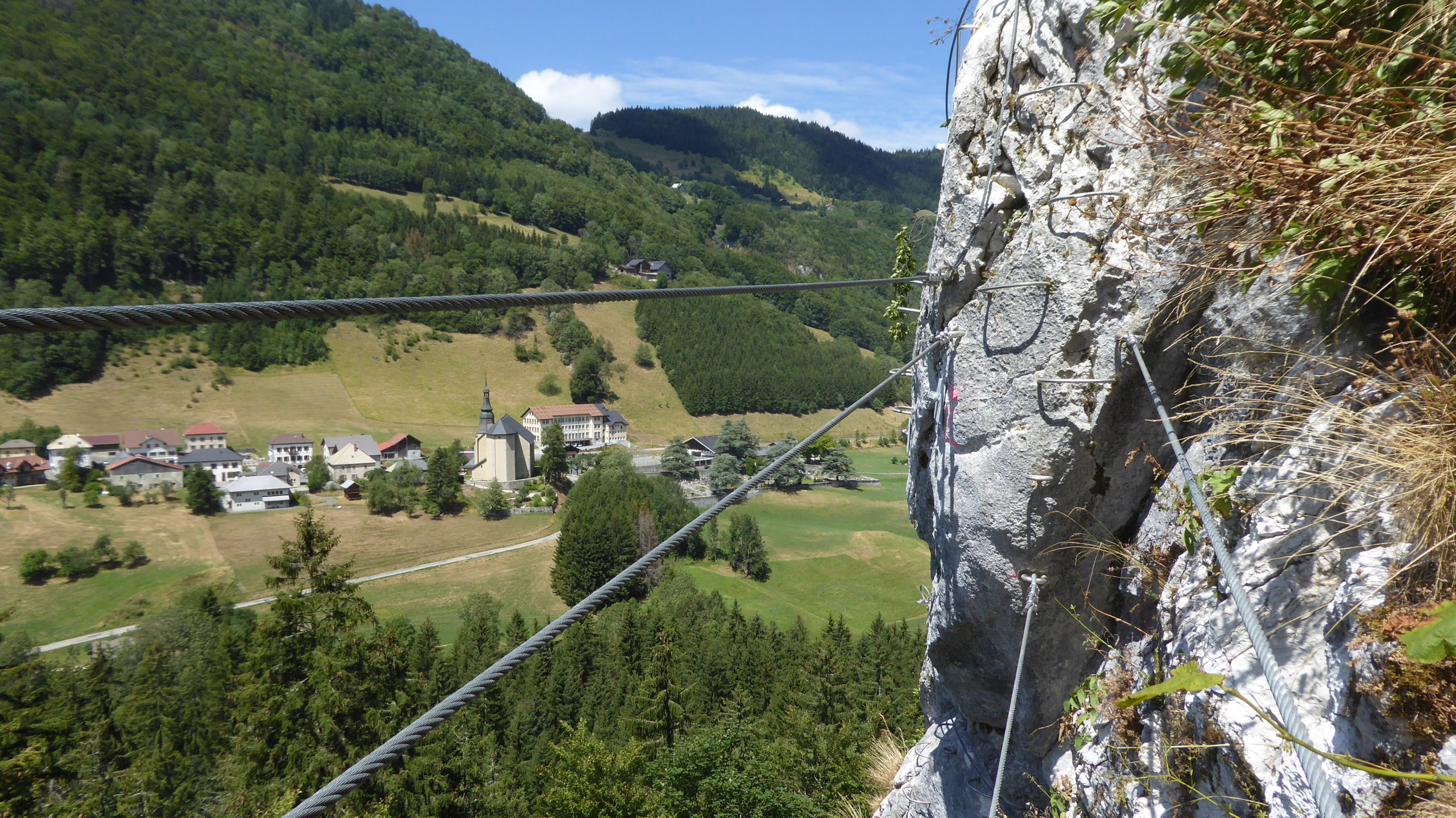
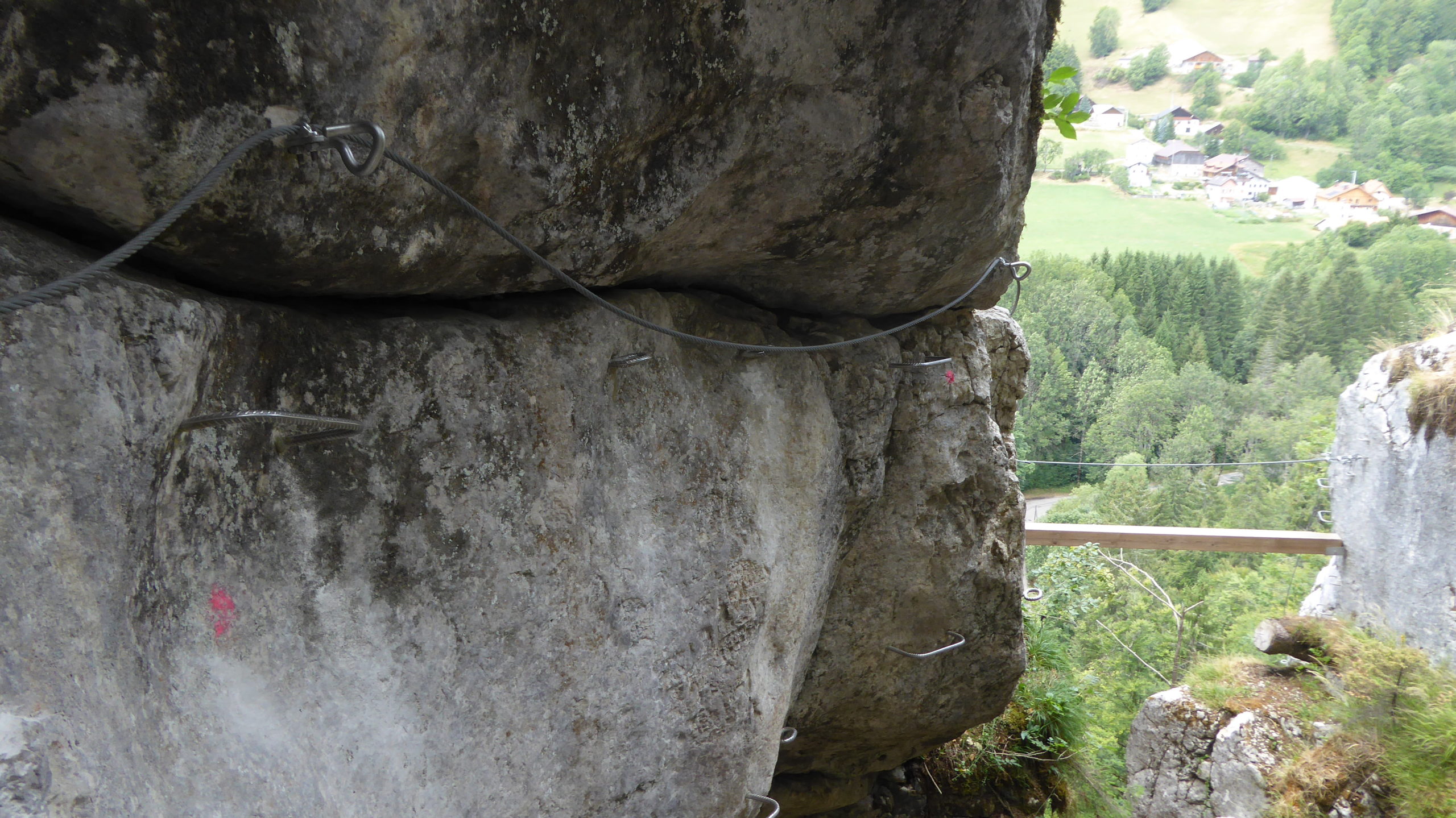
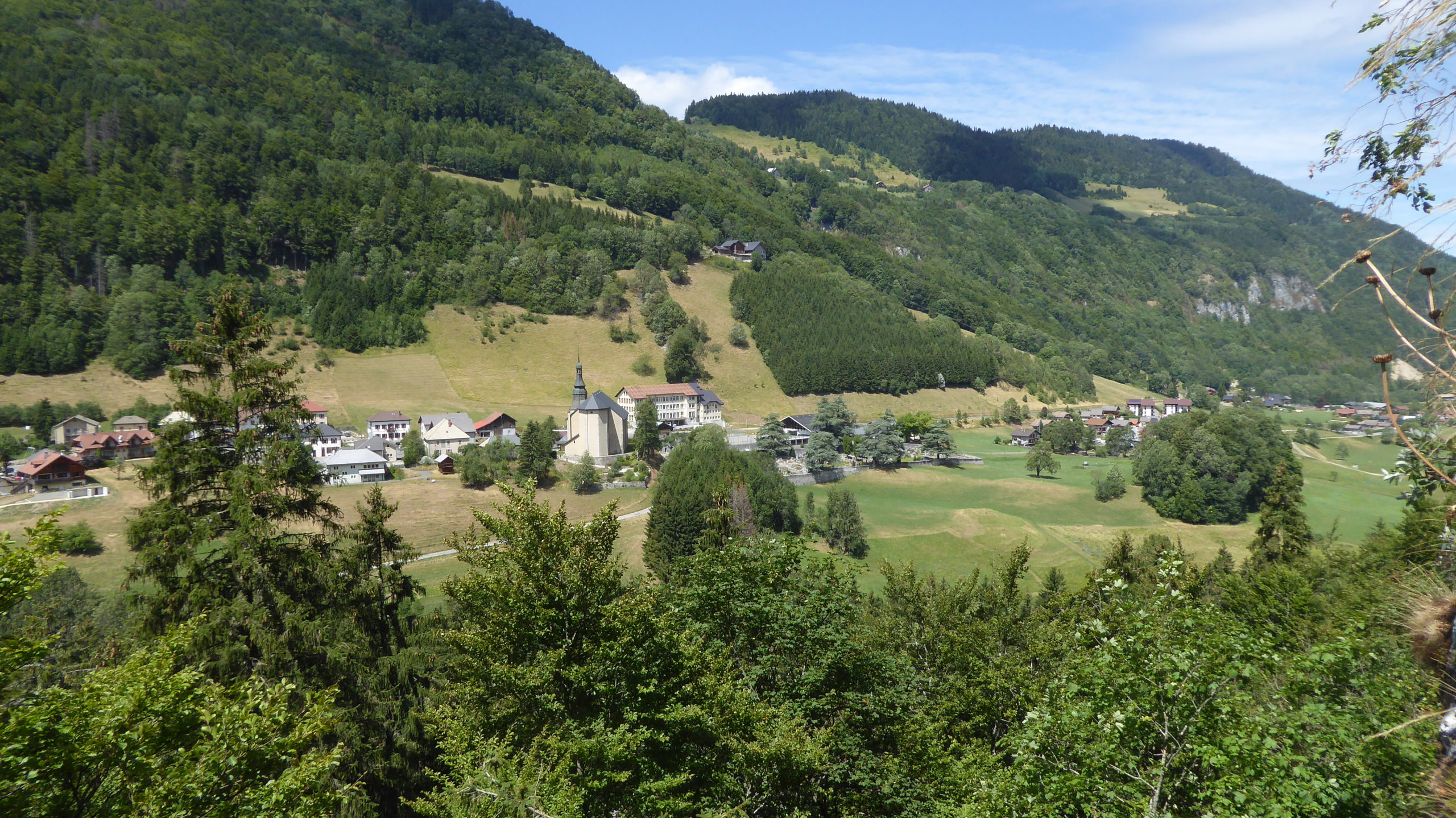
This year I went to the Bellevaux Via Ferratas in June and the area had been damaged by the intense storms and rain from weeks of rain. I went there on Tuesday and the via Ferrata des Cascades was different. For a start there was no water in the cascade. As a result those who were canyoning down the waterfall were dry. It was also much quieter and the sensation from the via ferrata was different. [caption id=“attachment_2460” align=“aligncenter” width=“660”]The section with the slight overhang. The section with the slight overhang.[/caption] Water is dynamic, constantly moving and making noise. As a result it provides a sense of motion and danger. When water is not flowing footholds are easy to find and your focus can remain on the via ferrata. The Cascade is my favourite beginner via ferrata. The conditions I think beginners will appreciate are: 1. Easy access. Within 200m you are at the via ferrata ready to climb and 2. Proximity to the ground. This via ferrata does climb quite a bit but you are never that far off the ground so vertigo will not add badly to how exhausted you are by the end of the path. This via ferrata has two thick beams you cross over the river and one nepalese bridge (one cable for feet, one cable per hand, fourth cable for the carabiners. There are short bits where you are climbing vertically and then one section where you negotiate a slight overhang. After this you have two more beams and the VF is finished. [caption id=“attachment_2465” align=“aligncenter” width=“660”]The Village of Bellevaux an hour’s drive from Geneva. The Village of Bellevaux an hour’s drive from Geneva.[/caption] If you have energy left over you have two more via ferratas to enjoy. These are the Via Ferrata du Chatelard and the Via Ferrata “La Grotte De Cristal”. These are harder via ferratas. In the case of Chatelard the estimated completion time is about one hour and fourty five minutes. I completed it in over fourty minutes so I am not a reference. This via ferrata starts by ascending diagonally for a bit before continuing horizontally a bit further. Hand holds are not always easy to access and there are certain portions where you have an excuse to dyno (propulse yourself) to grab the next hand hold. The Chatelard is physical but the views of the valley are nice. As you can see from the picture above you have a nice view of the town to the right if you have your back to the cliff and a nice view of the valley if you look to the left. [caption id=“attachment_2471” align=“aligncenter” width=“660”]View from the Nepalese bridge View from the Nepalese bridge[/caption] The Nepalese bridge offers a nice opportunity to admire the landscape. After this point you soon reach the combination point where the medium and hard via ferrata combine. From here you continue towards an excellent tyrollean. I tried it with both the red and the silver devices. With the red device I went fast and only had to pull for the last metre or two. With the silver one which I tried twice the ride is very fast. You hit the wooden ramp running. With a friend we did this twice each. I strongly recommend that you try the tyrollean if you’re with a group of people that have the required equipment. It’s a highlight of the day. When I do the third and hardest part again I will write about it. I tried it one or two months ago and did find it fun. I may write about it this weekend.

La Cascade Via Ferrata in Les Diablerets

This year I finally got to see the Via Ferrata of the Waterfall (La Cascade Via ferrata) in Les Diablerets Switzerland. As a child it is a place where we would walk as children and experience the freezing river water. A few days ago I went for the via ferrata. It was amusing to be with friends rather than family. As I know this landscape so well the effort felt minimal. The Via ferrata is a nice medium via ferrata. I’m tempted to say that I found it easy but that’s going to mislead people and I don’t want them to get stuck. According to the geotrails post this is a demanding VF because of the overhanging bits. That’s where doing one or two VF a week pays off. If I was to do this via ferrata alone I would park at the Montée mecanique of Isenau, take the egg up to the top and then walk down by the lake and towards the Glacier 3000 lift. From there I would cross over to the via ferrata on the other side. Access to the via ferrata is quick and the path is easy. The Via Ferrata has some vertical moments but most of the time you are moving laterally. You have a very nice view of the valley below. 1050206After you have completed the principal part of the via ferrata you come to a clearing where rock climbers have a number of routes. I recommend keeping yourself attached to the via ferrata cable. Two people slipped on the soil and it’s a useful habit always to stay attached when the option is available. From the flat section you climb a little and then head back down through a split between two rocks. From this point you can head down and consider the via ferrata complete or you can have fun and try the tyrollean. The tyrollean will require you to walk along some slippy rocks to where the platform is. Here you can attach yourself and enjoy the first tyrollean across to the other side. It’s not the fastest tyrollean I have done but it’s the first time I pass under a waterfall and that is fun. When you get to this side you detach, walk down for a short distance and can cross over again. The second tyrollean is slow and there is a good chance that you will have to pull yourself across as I did. At this point you can follow the path down towards Les Diablerets along the river and back to where the car is parked.

Fribourg was liberated by Fribourg, Lausanne and Geneva Ingress resistance fighters

This weekend teams of Resistance Ingress agents from Fribourg, Lausanne and Geneva met in Fribourg to neutralise and capture all Enlightened portals. Some teams were on foot to liberate portals from the centre of the city. I was with the bike team and we took care of liberating all of the portals on the outskirts. It involved cycling up and down hills, a thunderstorm and being rained on. I really enjoyed being part of the cycling team. It’s a fantastic way to get around and it’s a good way of seeing a big portion of unfamiliar cities with a minimum of effort. My team members were on electric bikes and I was on a mountain bike. This was great for me. I had to work hard to keep up with them. This was a good workout. There were moments where I generated up to an estimated 1300 watts of power for very short bursts and got the fifth best time on a segment. I enjoyed this experience so much that I would love to do this again in other cities around here. Cycling gave me a workout and playing Ingress gave me time to recover. It seems that if you’re creating fields having a bike is ideal. You can get almost anywhere from anywhere within a city within minutes with a minimum of effort. By car this would be dangerous and impractical and on foot it would be slow and impractical.

Has Social Media made us less sociable?

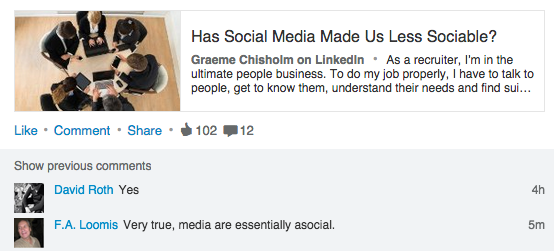
[caption id=“attachment_2438” align=“aligncenter” width=“554”]As an extrovert of course you’d believe this. As a mid to late adopter you’d also believe this. As an extrovert of course you’d believe this. As a mid to late adopter you’d also believe this.[/caption] Introverts who are not going to compete with extroverts, through social media, have an opportunity to have friendships and interactions that would otherwise not occur. To say that Social media makes is unsociable is a fallacy. When I was a uni student the second time around I was socialising with fellow students all throughout the day and I was also active in social media. In 2007-2009 facebook was my university friend network. Twitter was strangers. Facebook was an extension of my physical social life. Twitter was an opportunity to meet new people. It helped me meet people from tuttle. It introduced me to Seesmic when it was in Alpha. I conversed with some of the big names of the time and went to podcamps. I was invited to Leweb in Paris in 2009 and we met had seesmic meetups a number of times More recently playing Ingress by Niantic Labs has helped me meet people in Paris, lausanne, Fribourg, Geneva, Nyon and other places. To say that social media makes people less social is to ignore that people use social media for conversations, not for brands. The fallacy of most “social media professionals”, “Social media experts” and other “social media” snake oil practitioners is that they go home to a spouse or better half. They have no need to create a relationship with the people they are interacting with. As they do not create relationships with those who use social media they are kicking dust in the Atacama desert in the hope to raise enough dust to create a nucleus to which water will collect and fall as rain water. There is a shift in social media today. It is a shift away from conversations especially on websites such as twitter and facebook towards brand brainwashing. As a result of this facebook and twitter have lost engagement. That is not to say that other niche social networks are not benefiting from the ground broken by Facebook and twitter. In particular I am thinking of websites for slow ups and other group activities. I’m thinking of OVS (on vas sortir), Glocals (Geneva Locals) and many other social networks. I notice that the expatriated and international community benefit strongly from websites that encourage groups of people to do communal activities. Thanks to Glocals I scuba dived every single weekend for more than a year, I learned about Via Ferrata and loved the sport, I finally got to rock climb, I enjoyed canyoning and more. The idea that luddites can constantly bash social interactions via computers and electronic devices fatigues me. You know what the most amusing thing is about the people who say that social media reduces conversations is? Their one word answer. :-D. Don’t you just love the irony?

The Bulle Slowup

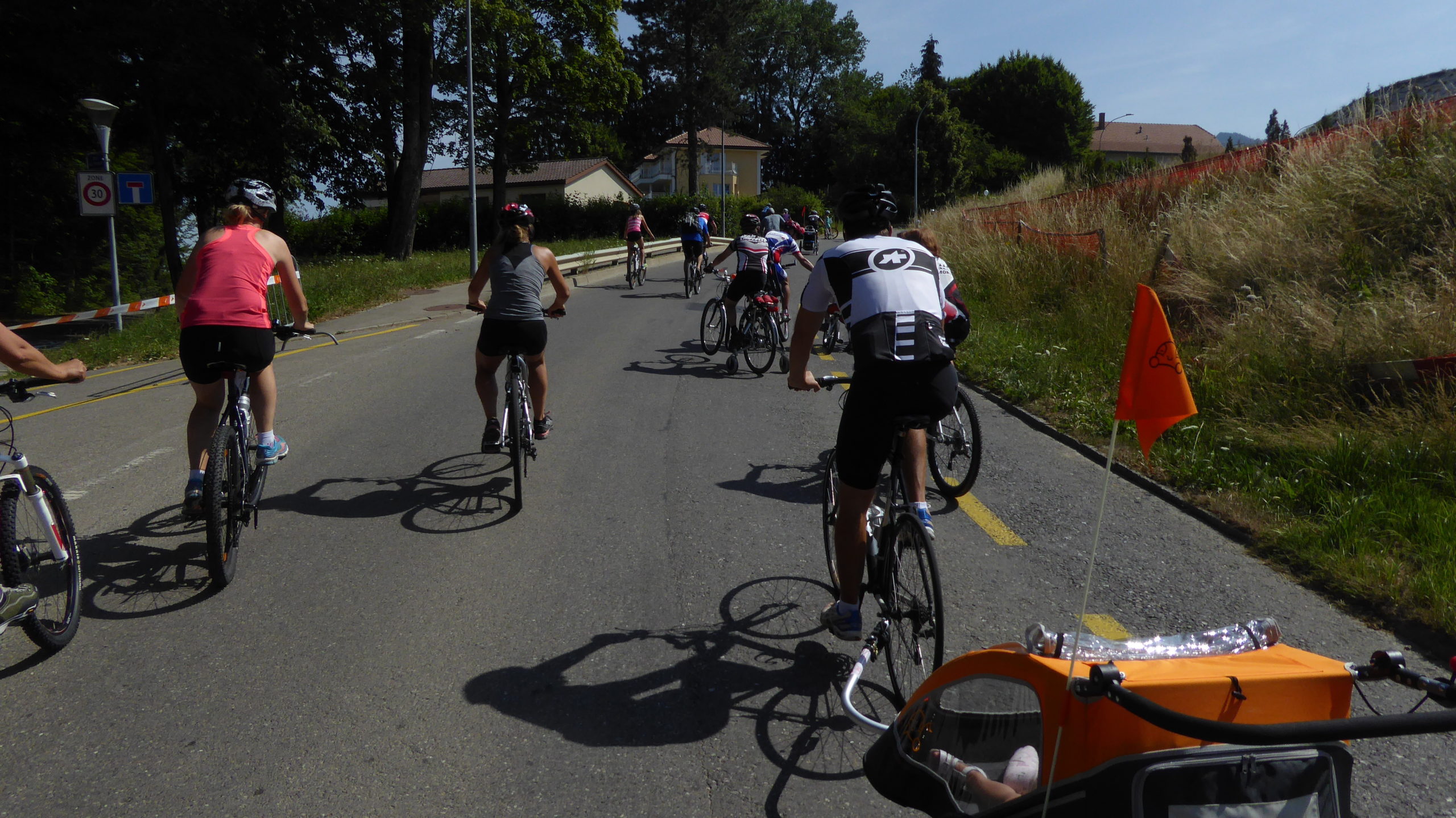
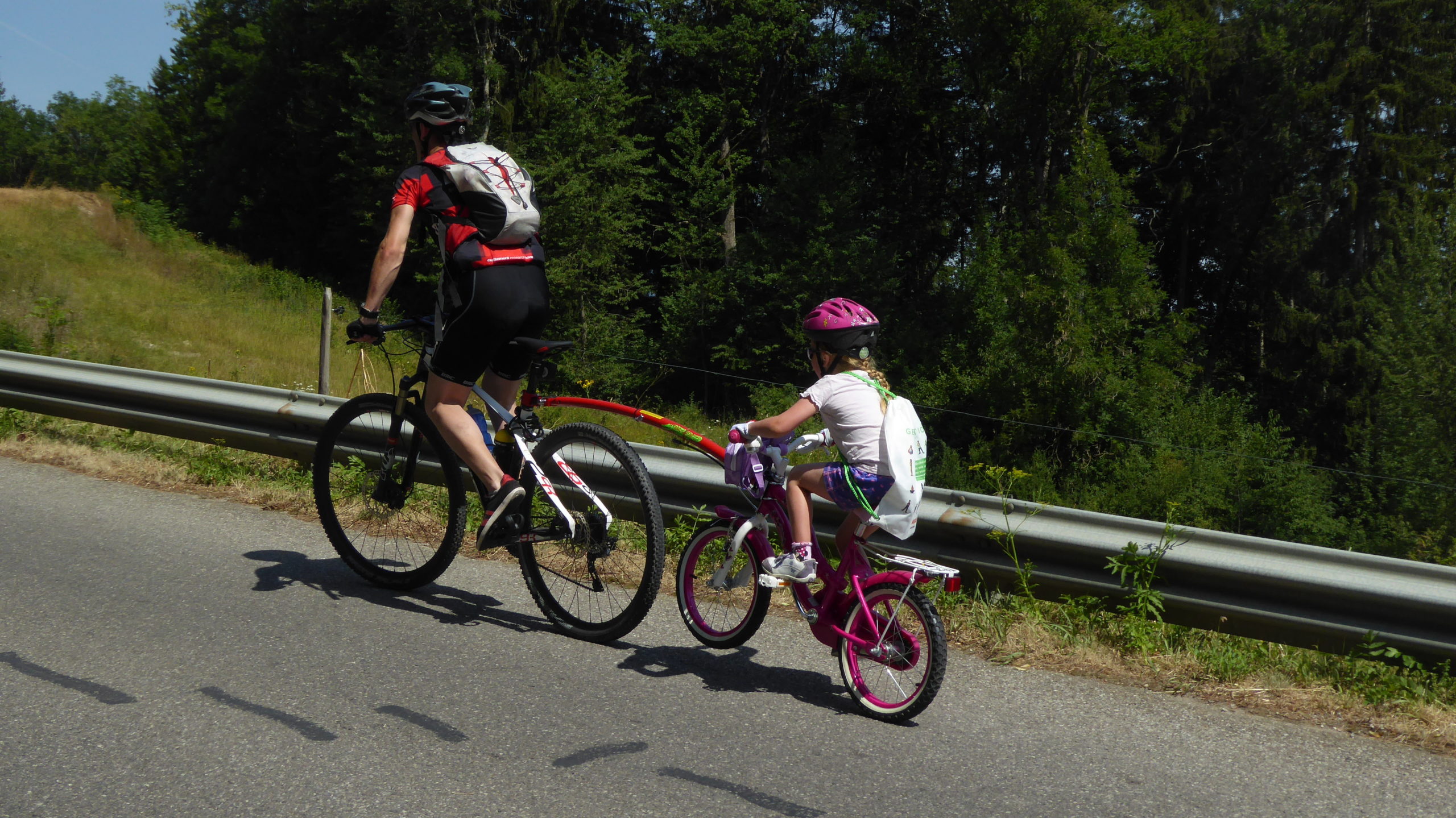
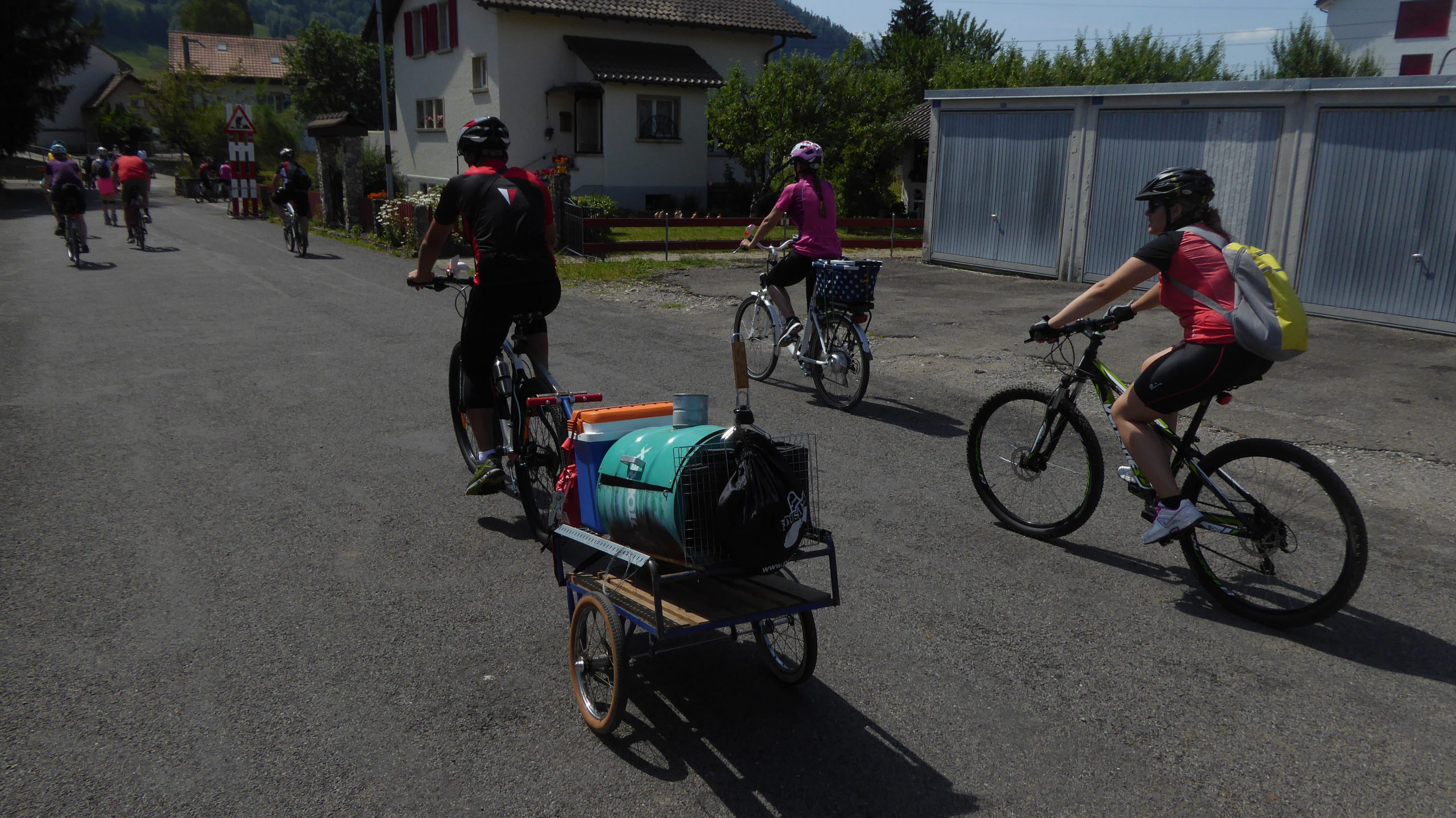
Bulle is a city by a lake in the Canton De Gruyère in Switzerland. Last weekend they held their annual slowup event. A slowup is an event where roads are closed to motorised transport in favour of cyclists, roller bladers, skate boarders and other self propelling sports. The loop is around 26km long and there are ares to stop and enjoy food every few kilometres. At this event you can also get your bike maintained for free except for parts that need replacing. It’s a great opportunity to take an old worn out bike and have it reconditioned. As I spent several days getting mine back in to condition I did not abuse of this opportunity. [caption id=“attachment_2432” align=“aligncenter” width=“300”]The first climb The first climb[/caption] The landscape around Bulle is nice. As you cycle you can see the Moléson mountains in the distance, and without clouds for a change. You can also enjoy a few climbs and descents. The gradients are not steep and the climbs are not long. A friend of mine was on rollerblade and it impresses me that she did around 30km. [caption id=“attachment_2433” align=“aligncenter” width=“300”]Father and daughter Father and child[/caption] The best feature of slowups is the ability to enjoy a wide road and cycle anywhere you like without the usual cars overtaking too close and too fast. As a result parents and their children can enjoy this beautiful landscape. [caption id=“attachment_2434” align=“aligncenter” width=“660”]BYOB, not bring your own bike or beer. Bring your own barbecue BYOB, not bring your own bike or beer. Bring your own barbecue[/caption] It’s amusing to see someone take a cool box and barbecue for such an event. I didn’t see them stop and start preparing food though.

France Télévision Coverage of the Tour De France

The Tour De France is a 3600 kilometre race over 3 weeks with one independent race each day. They start in an international city and then make their way to France within two or three days. The programmes are built around three specific shows. There is the pre-show Village programme followed by the first part of the race before the depart until well after it. The last segment is moved to France 2 for peak viewing and audience. During the first of these programmes you learn about the city the tour de France is leaving. You get artist interviews, food preparation and other small animations. During the second programme, the first part of the race you see the cyclists and the landmarks and places worthy of note. You get landscape shots of the countryside, aerial shots of castles and learn about where they are cycling for future tourist visits should you be in one part of France or the other. You also get to see the cycling. Today they’re cycling through the Pyrenées so you will see the cyclists face the challenge of climbs at the same time as working on making their endurance last long enough. There are a lot of sports on television but very few of them have the intensity and landscape of cycling. Tennis is in a court, Football is in a stadium, golf is in a park. Only Cycling provides television audiences with a journey, a voyage. I love this voyage and love the “French Landscape programme” as I like to call it, for this very reason.