Archives

FIFAD Day 6 - Women and Extreme sports

On the 6th day of FIFAD two films stood out. One looked at a wheelchair bound woman who still had the urge to go climbing and the second film looked at a woman who went from riding snowboarding lines in winter to base jumping in summer. By having these two documentaries the FIFAD event promoted women who appreciate and enjoy extreme sports. A few weeks ago I wrote about superhuman climbers, it explored how differently abled people were empowered through the efforts by climbing centres to allow wheelchair bound people, people with mental issues and others to climb despite the challenge. Rêver sous les étoiles was a documentary exploring this topic from another angle. Vanessa François moved to the mountains with the goal of becoming an Alpinist but was paralysed from the waist down after a block of ice damaged her spinal column. Thanks to the people she surrounded herself with she was able to continue climbing, cycling and doing other sports despite this disability. In the film we see how friends set up a route on El Capitan for her to climb and how the CRS in France prepared the equipment for her to spend a night at over 4000 metres near the Aiguille du Midi. We see how a woman, surrounded by the right people could, despite her injuries, keep living adventures. There is a moment in this film where we see that she is given the opportunity to act in a play where actors in wheel chairs and conventional actors could interact to provide people with a show. As I watched this documentary I thought about how technology could be adapted to be invisible in the performance. At the moment wheelchair bound actors need to rely on conventional systems to move the chair around. Imagine if engineers from EPFL and other tech universities designed a wheelchair control system that would allow wheelchair bound actors and performers to control the wheel chair with arm and head movements. Imagine if the movement of the chair did not rely on a joystick but rather a harness or sweater which controlled the chair’s movement. In future I expect that technology will become invisible, to provide these people with wheel chairs. The documentary is great because it shows that injuries are an opportunity to adapt new techniques to conventional sports rather than to give up and live a life that is more limited. This empowering documentary should encourage people not to give up on their passions and to continue striving for more.
Twitter Ethics and the Olympics

Sports and live events are Twitter Cash cows, as a result of which the will of those contributing to twitter financially is given priority. I have seen two or three tweets about the speed with which olympic anim gifs and other content is removed. In one case I saw that content is pulled down within minutes. On the other side of the equation is bullying and harassment of ordinary people on twitter. In the cases where people are bullied or harassed twitter is passive, letting people deal with the fallout from flame wars and other unpleasant moments. Twitter was a social network for the first year or two but since then it has become a broadcast network. It focuses on the people that bring it money rather than attention. It focuses on verifying accounts with hundreds of thousands or even millions of viewers to serve its own interests. Users like you or I are not that important. There is the popular phrase that “people who complain still want to do business with you”. I stopped complaining about twitter years ago. I deleted my first account and stopped using the service. If you are not happy with the way twitter behaves and if you are not happy with the preferential treatment that it offers its sponsors then the simple solution is to reduce the amount of time you give twitter. When twitter was a social network you were justified in keeping the twitter application open on your phone and laptop but since it has become more of an RSS aggregator that devotion of time has become worthless. If you’re not happy with twitter spend less time on the network. Use it as infrequently as you use the bath in your home. We take daily showers because it takes less time and because there is less waste. The same is true of twitter. Twitter is a social network that needs eyeballs to justify charging its clients money. Broadcasters and the IOC are clients. If you’re on twitter complaining you are a pair of eyeballs. You are the attention they are looking for. If you are unhappy and abandon the network that pair of eyeballs is gone and their revenue stream declines. When enough people affect their bottom line in this manner they are forced to change. Twitter is easy to replace today for the simple reason that it became a news aggregator. There are dozens, if not hundreds of apps and social networks for the sharing of news, information and other content. Twitter is no longer alone. If enough people move away then they will be forced to change. We are the commodity. The audience justifies the fees. If the audience is gone then the fees are unjustified. Twitter was meant to keep us happy and it has failed. That is the reason for which I tweeted 70,000 times in the first two years and less than three thousand times in the last five years.

FIFAD; The day I finally got to experience a Paragliding flight

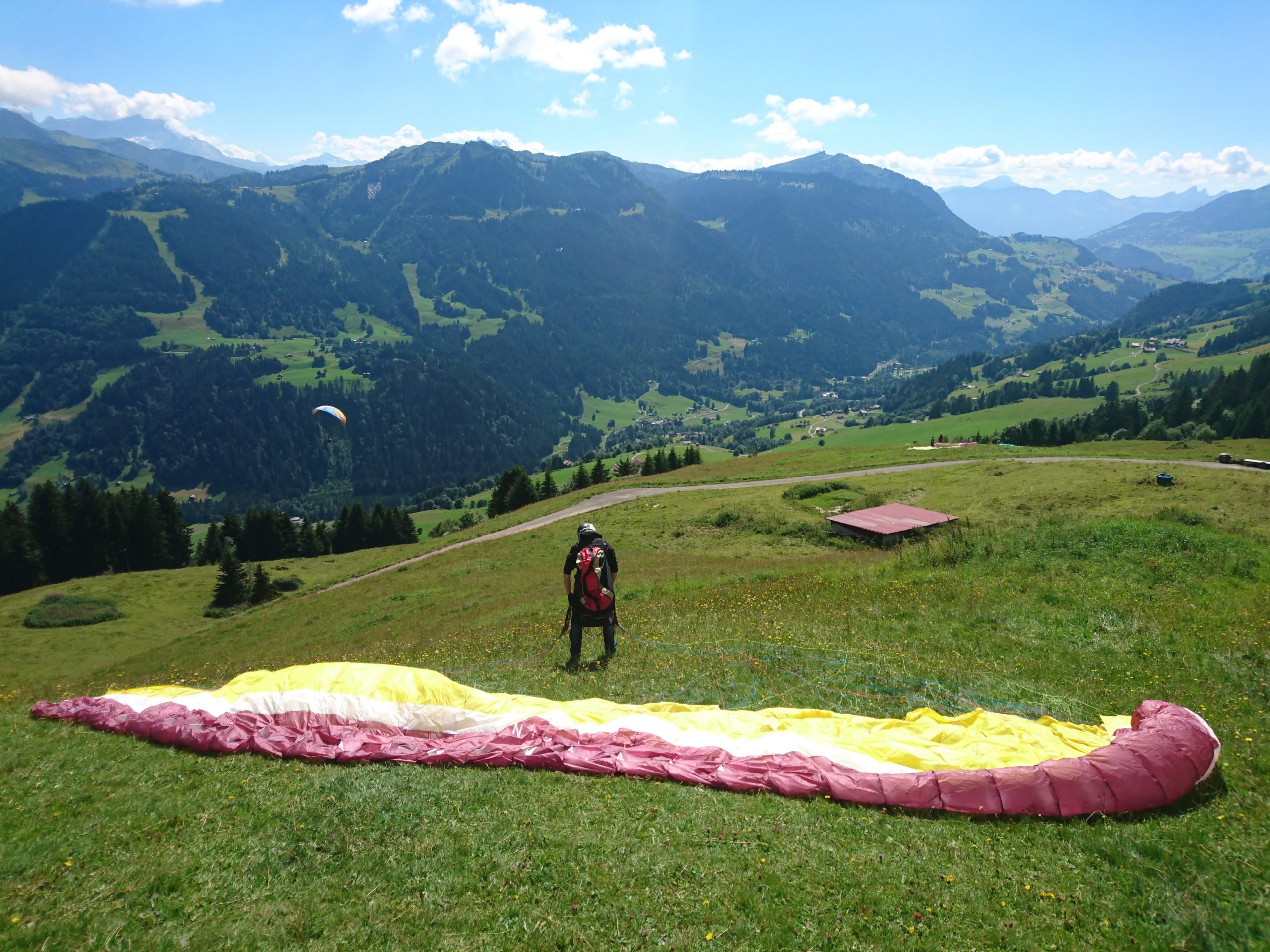
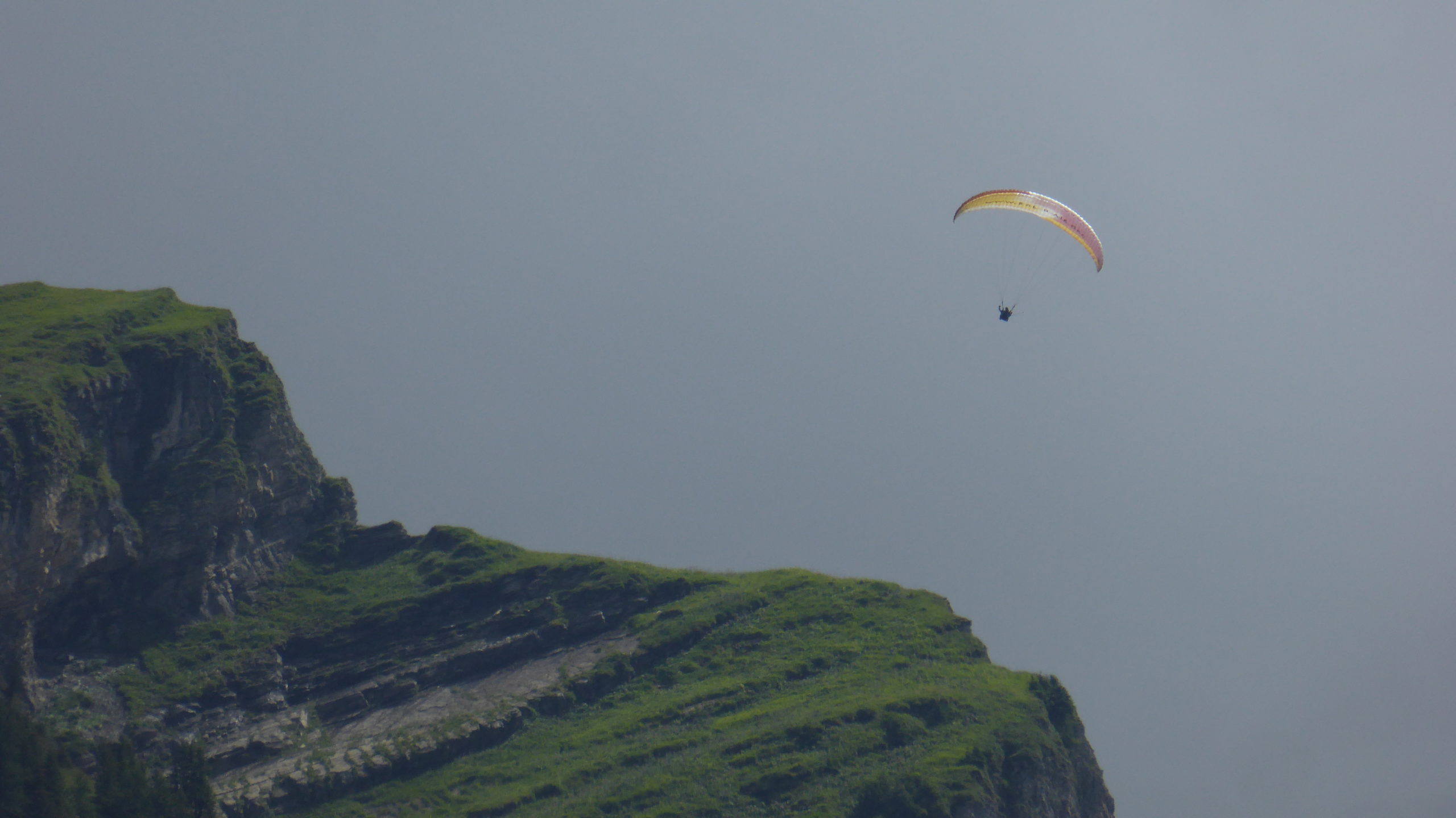
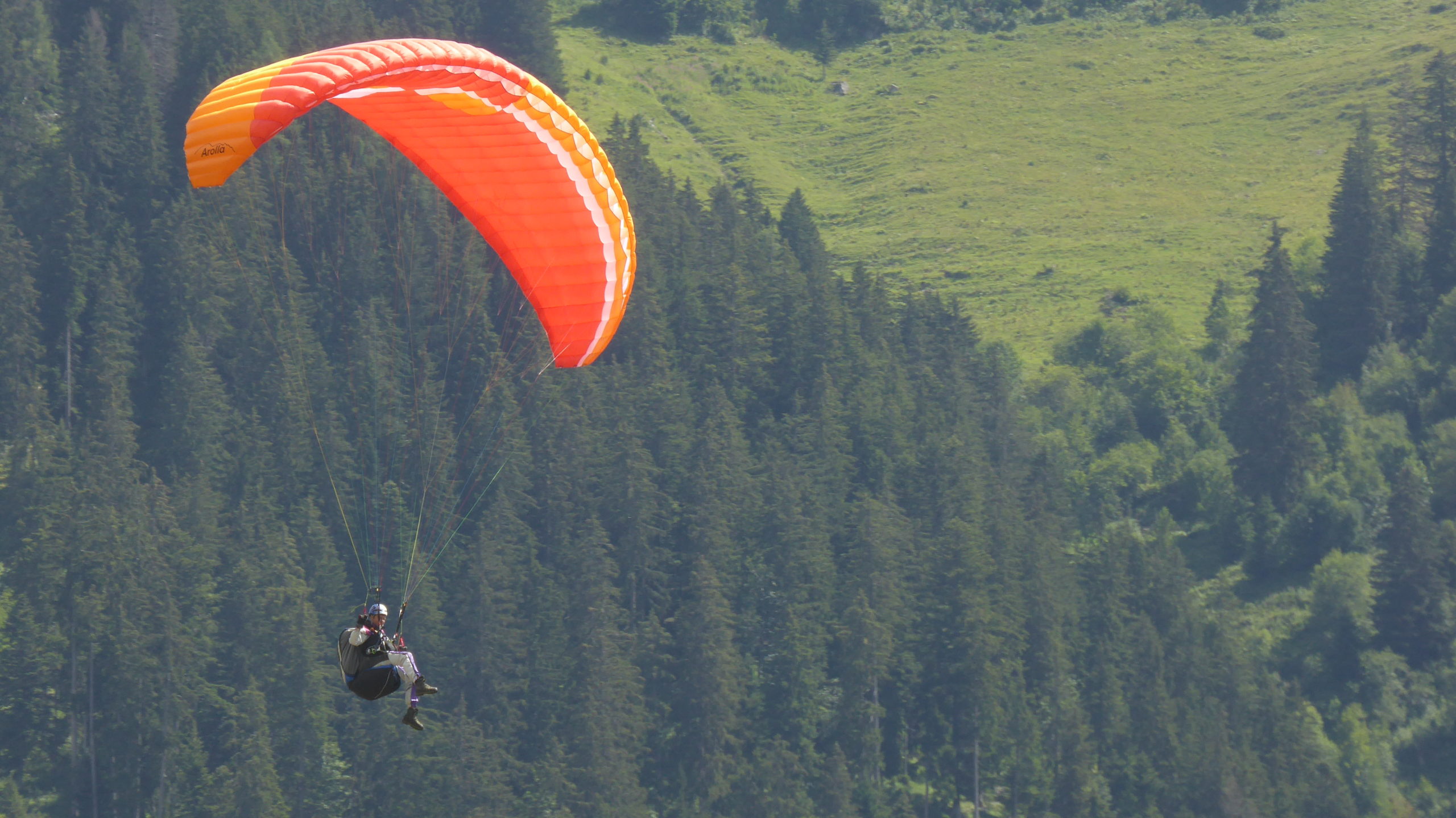
During the FIFAD event I was invited by one of the people I was working alongside to try paragliding. This is a sport that I have thought about trying for more than a decade by now. Many years ago I bought a book about the theory of flying parapente and I have often watched them take off from places like the peaks near Lucerne, from St Hilaire du Touvet, land close to home and more. I was invited the previous evening and the next day I went to the zone where they were landing and I watched them fly and then land. Some were novice fliers. Some of them were learning to land within a small circle and others were flying in tandem. I spoke to the person and he told me to come back at 1500 so I had two or three hours to occupy. [caption id=“attachment_3271” align=“aligncenter” width=“660”]The area where we flew The area where we flew[/caption] During the wait I took some pictures of Parapente as they flew around and when I saw the paragliders flying where they are in the image above that is where I wanted to go. I saw them ascend and as their flights were lasting so long I thought that the wait would be longer than anticipated. They had found some rising air and were playing with the backdrop that you see in these images. [caption id=“attachment_3272” align=“aligncenter” width=“660”]A parapente flying near Les Diablerets A parapente flying near Les Diablerets[/caption] When it was finally time to get in to the minibus to go up I was worrying about how the motion of paragliding would affect me and I was thinking about whether I was scared or not. I seemed to be impatient rather than scared. I felt excited and happy to have such an opportunity. Two years ago when someone asked me whether I wanted to go ice diving as there was a space free I had said no, that I did not feel ready. That friend had said that there would always be next time. Before “next time came up he died on a professional dive”. It is for this very reason that I really wanted to grab this opportunity. [caption id=“attachment_3273” align=“aligncenter” width=“660”]The person who took off just before. The person who took off just before.[/caption] The image above shows the zone from which we took off. To the right you have the Tour D’Aï and to the left you have the Diablerets. The fields are near a farm where the farmer processes cow’s milk to make cheese and other products before bringing it down to the valley. At this point I asked about the safety briefing. It was short and to the point. As a climber the thing that surprised me is the notion that you are using a “seat” rather than a harness. You wear the seat without tightening it. You sit in that seat for the flight. I was also told to lean forward and to walk/run forward when I felt the sail go up. When the sail went up I felt that we were pulled backwards a little before we started moving forward. Within just two or three steps we were flying. We banked right to try to find a thermal but as this failed we banked left towards Les Diablerets towards the trees near the Creux Du Champ to find ascending air. The feeling as you head towards the trees relatively close to the tree tops is a strange feeling. I also noticed that I felt motion sickness at one or two moments but I quickly made sure to look in the direction of travel rather than the other way. As we flew I could hear some beeping from my right shoulder. I had my gps watch on my wrist tracking the flight out of curiousity but the device I could hear indicated whether we were gaining or loosing altitude. The faster it beeped the faster we were rising. Finding ascending air was a challenge. The pockets were very small so we had to be patient, turning and travelling until we found the right pockets of air. Eventually we did rise quickly. That was an interesting feeling. You see the ground get further away and you feel as if you are not moving that fast. You look at the chalet and the cliffs. At one moment you are below them and two or three passes later you rise above them and then you see the chalet at eye level and then you are above them. We turn again and we catch another thermal and we rise to the half way point, a picnik table with a view over the Creux de Champ. Eventually we were at 1800m in altitude and I wished I had taken a thicker layer as it started to be colder up there. I didn’t want to interrupt the flight just because I was a little cold though. Eventually it was time to head back to the landing zone and the festival, for another night of work. On the way back, above the village I was allowed to pilot for a bit. I tried a right turn and then a left turn and then I gave the controls back to the pilot. We did two corkscrews and pulled two and a half g’s. The feeling was fun. We landed on our feet and it was soft, softer than when you jump. The flight lasted about 45 minutes. Not bad for a first flight. The GPS track from that flight is here. I want to fly again. I enjoyed the sensation. The people I flew with are from paraventure. Flights range in price from 120.- CHF for a discovery flight to 200.- CHF for a thermal flight. They also do via ferrata, canyoning and other sports.

FIFAD Day 5 - A visit from Claude Nicollier and more

On the Fifth day of the FIFAD event Claude Nicollier came. He is the Swiss Astronaut who went on a number of STS missions to fix the Hubble Telescope between 1992 to 1999. He is an astrophysicist with connections to this part of Switzerland. The Sonneurs D’ormont rang cow bells as the group moved from one area to another. The conference centre where this event is taking place is now named after him.

FIFAD Day 4 - Youth and Alpinism

The fourth Day of FIFAD could have had the banner of youth and children of Alpinism. It began with a conference by Swiss university students who had travelled to Siberia for their projects, a short documentary about the actress who played Heidi in the recent film, disadvantaged youth who went to the mountains to help on a farm, The Makers of Dreams about the Geneva CAS branch and how it encourages young people to experiment with Alpinism and trekking. The last documentary of the evening was about Polish and British people going to the base of K2. Their parents were alpinists who went to climb the mountain but never came back.

FIFAD Day 2 - a day of introspection about exploration.

FIFAD Day 2

FIFAD’s second day’s documentaries were introspective. They looked at mining in Bolivia, Jean Troillet’s life of adventure and the film Sherpa. [caption id=“attachment_3257” align=“aligncenter” width=“660”]The peaks we see from the Festival The peaks we see from the Festival[/caption]

Tous Les Jours La Nuit

Tous Les Jours La Nuit is a documentary by Jean-Claude Wicky who passed away recently. The documentary looked at the lives of Bolivian miners who have to work for up to 20 hours a day in mines where the air temperature can reach up to 50°c, where the life expectancy is between 40-45 years and where they barely earn enough to live. In this documentary he looks at some of the pictures he took when down in the mines. He tells us stories about the people who are photographed and tells us about their culture. At the end of the film he comes back to the country once again and meets with some of the miners and their communities. He donates copies of the books to individual miners as well as their community. The aim is to document the hardships faced by these workers.

FIFAD Day 1

FIFAD Day 1

From the 6th to the 13th of August 2016 The International Alpine Film Festival, FIFAD, is taking place in the Alpine town of Les Diablerets. This is a week long festival of Alpine films covering the environment, extreme sports, adventure and more.

Alpland

Alpland is a photo exhibit outside of images of Alpine life in black and white. The images were taken by Romano Riedo

The Flying Frenchies arrive

The image gallery below shows the Flying Frenchies arrive at the film festival. The drummer flew with his drum kit, the guitarist flew with a guitar and amp and the saxophonist arrived with his instrument. They played their instruments while up in the air. Watching this in person is interesting. [gallery ids=“3253,3252,3251,3250,3249,3248,3247,3246,3245,3244”]

Via Ferrata and Edelweiss

Via Ferrata and Edelweiss can be combined. I was reminded of this when I was looking at Salanfe’s Instagram account images last night. I saw an image of a chamois and her young and then I saw the picture below of an Edelweiss and I wanted to share that I had also seen Edelweiss.

#monpetitbonheur du jour ! Magnifiques #Edelweiss à #Salanfe#hiking#rando#balade#valais#moneteenvalaispic.twitter.com/soa6GEbe2Y

— Fabienne Marclay (@salanfe) August 4, 2016

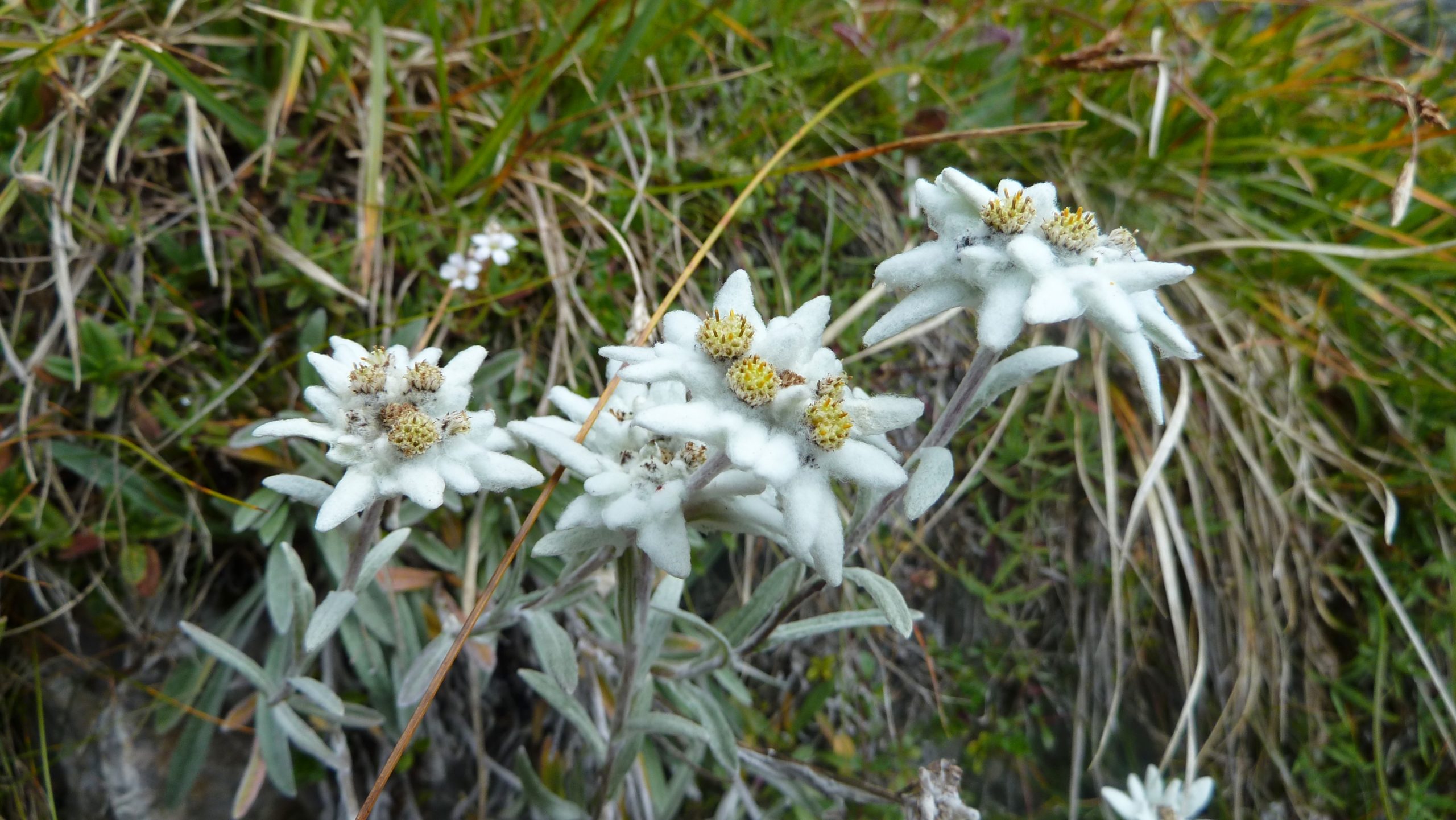
I saw edelweiss on the Via Ferrata de Rougemont on the 31st of August 2014 according to Google Photos. These are rare but nice flowers that grow in Switzerland. They are also used as a symbol of this country. They are quite small and fluffy with thick petals. They are so rare to see that despite years of hikes, climbs and other sports I have only spotted them once. [caption id=“attachment_3239” align=“aligncenter” width=“660”]A few Edelweiss A few Edelweiss[/caption]

Admiring the Tour D'Aï from the Via Ferrata de la Cascade

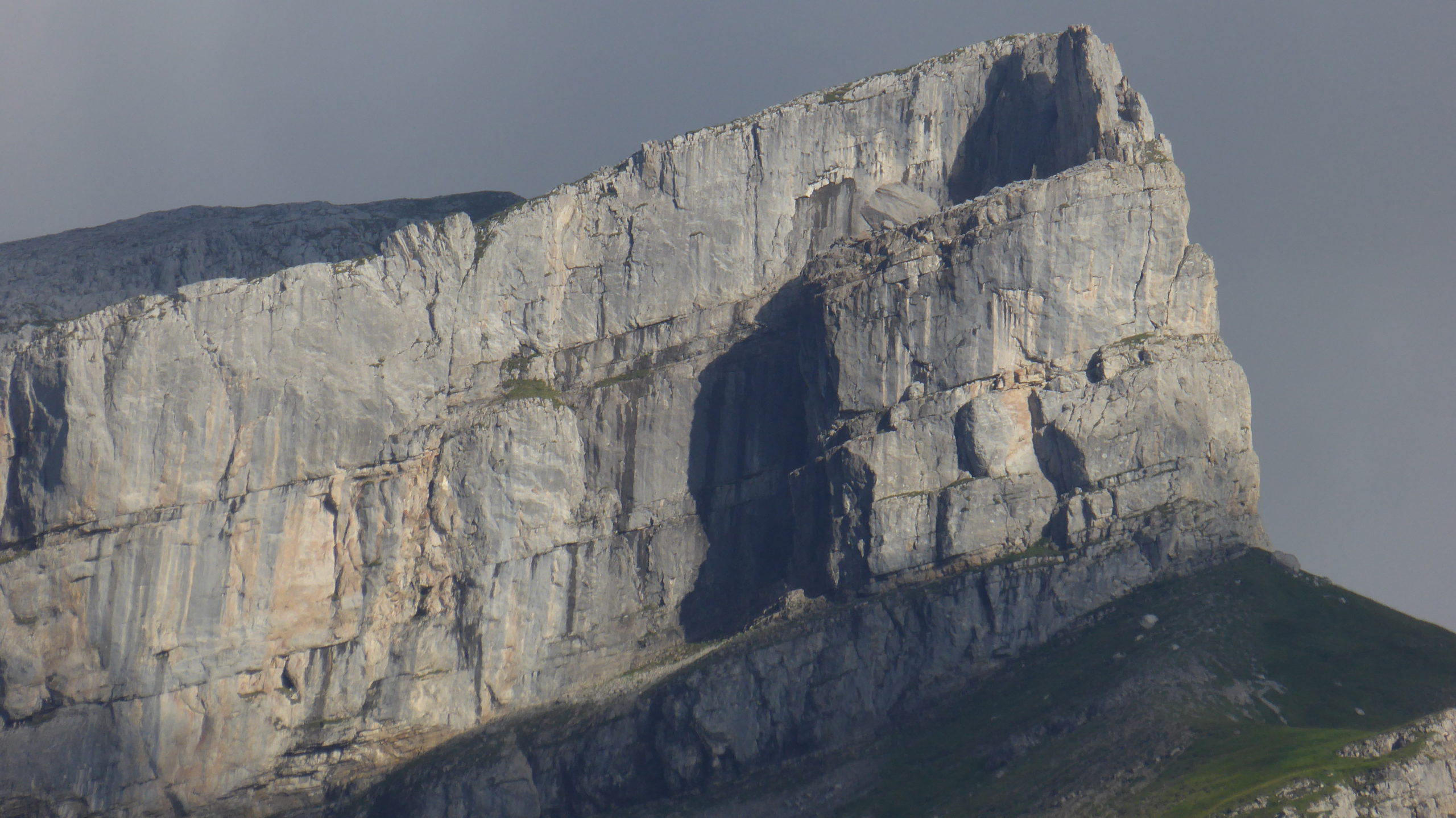
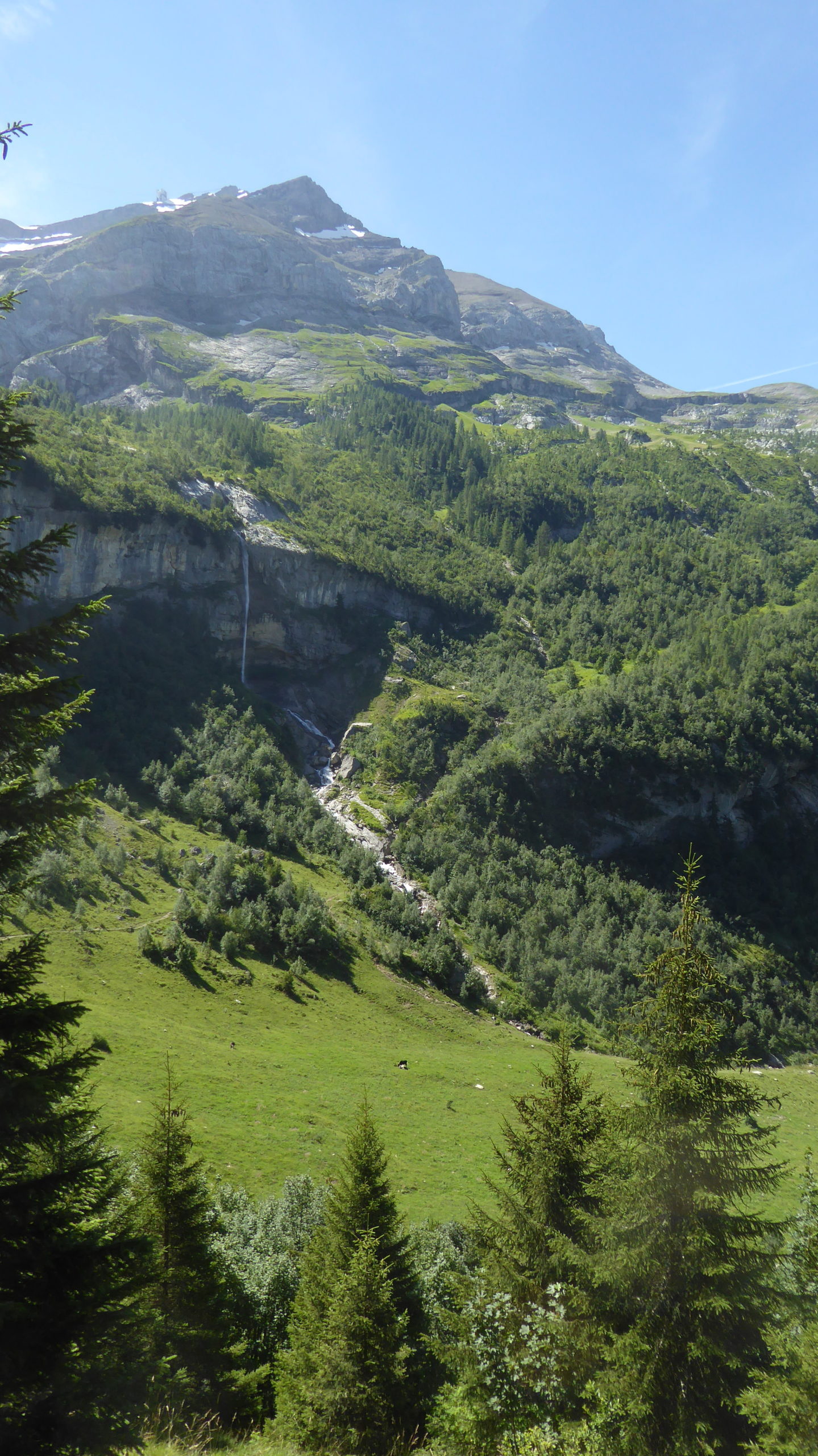
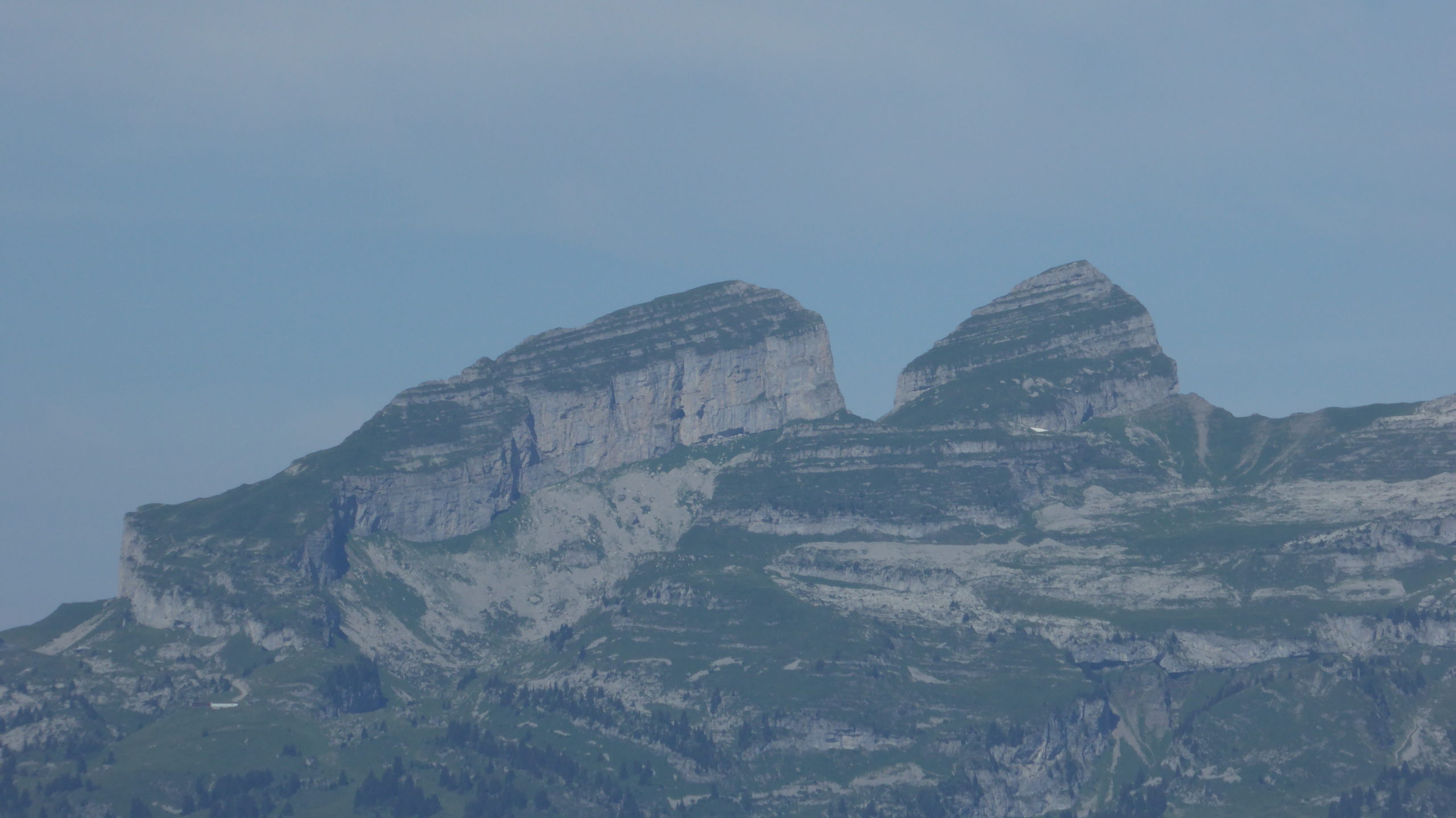
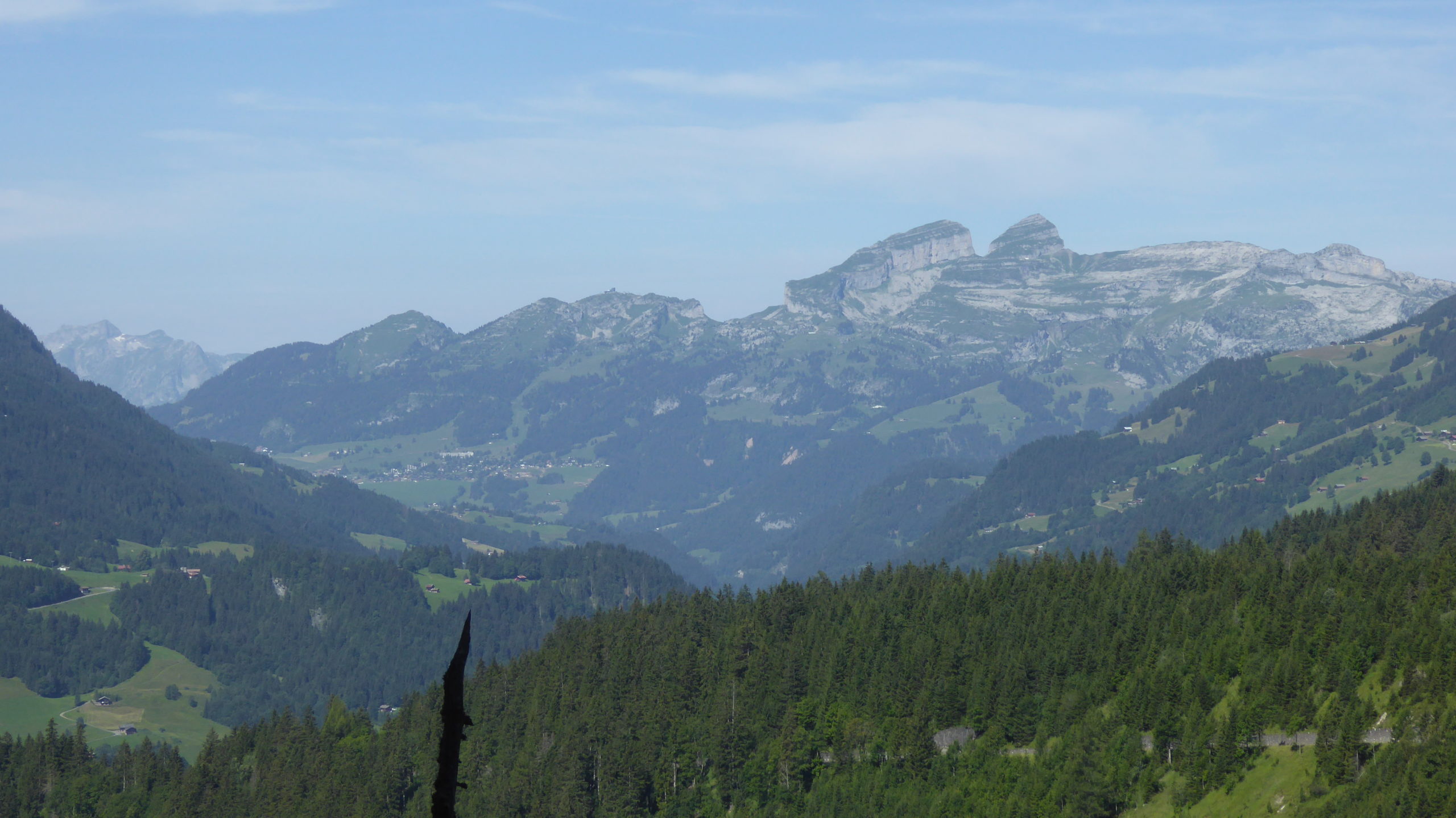
The weather was clear so I was admiring the Tour D’Aï from the Via Ferrata de La Cascade. I was in Les Diablerets as I am one of the volunteers at the FIFAD film festival. I turned up three hours before I was needed and as I had all my climbing gear, except the pulley for the tyrollean in the car I drive I was able to put on my climbing gear and go for an individual climb of the Via Ferrata. The weather was nice, the temperature was comfortable and the via ferrata was quiet. Aside from two guys climbing one of the climbing routes I was alone. I prefer to climb with others. [caption id=“attachment_3232” align=“aligncenter” width=“576”]Via Ferrata de La Cascade Via Ferrata de La Cascade[/caption] Via ferrata alone are fun because you go at your speed. There is no need to wait for anyone or rush to keep up. I enjoyed how clear the landscape was. I looked across the valley and I could clearly see the Tour D’Aï and the peak next to it. It is the first time that I notice so clearly the other Via Ferrata. [caption id=“attachment_3233” align=“aligncenter” width=“660”]The Tour D’aï seen from Les Diablerets The Tour D’aï seen from Les Diablerets[/caption] When you climb the Tour D’aï via ferrata you climb from the other side and go to the summit of the peak on the left. When you walk down you walk on that green part. The trail is an alpine one, for experienced hikers. You see that there is quite a drop if you make a mistake. You normally see this mountain from the Leysin side. [caption id=“attachment_3234” align=“aligncenter” width=“660”]The Tour D’aï seen from Les Diablerets The Tour D’aï seen from Les Diablerets[/caption] This image shows the Tour D’Aï in relation to other mountains. When you go to Les Diablerets this image will help you locate the peaks. The shape of that mountain is easy to recognise. We will see when I try the Rocher Jaune. That via ferrata is higher up starting at 2400 metres and ending at 2450 meters according to one source.

Plague inc, the game

Plague inc is a game that is available on multiple platforms. These are pc, android, ios and windows phone. The version I played was on android. If you want to watch someone play the game you can watch this series: I was at the first general Staff Meeting for the UNAIDS program a few years ago and more recently I was at the World Health organisation during the SARS crisis helping with Virtual Press conferences. During these two weeks I learned about the language used when discussing epidemics and how to mitigate the threat they posed. During and after the Ebola crisis I was able to go to two or three conferences discussing how best to prepare future responses as well as to discuss what systematic weaknesses there were and how best to address them to deal properly with a future epidemic. Plague inc is a real time decision based game. There are four tabs. Overview provides you with an overview of air and sea transportTransmission: you can decide whether it is spread by air, water, blood, animals or birds. Symptons: You can decide how it affects people, whether through coughing, fever or other forms of discomfort. Abilities: You can develop, cold, heat, drug and bacterial resistance. The game is an opportunity for people who do not live a 20 minute drive from the World Health Organisation and other UN organisations to learn more about the terminology of diseases as well as the factors that can make it more or less virulent and how best to counteract the threat. In the game you may spend two or three years spreading a disease but in the real world diseases can spread over decades or even centuries. Look at Polio for example. Within the last two weeks we saw this headline Only complacency can stop Nigeria – and Africa – from finally conquering polio. For context UNICEF has a fact sheet about Polio eradication milestones. The Virus was first described by Michael Underwood in 1789, it was theorised as contagious in 1840 and in 1907 Dr Ivar Wickman categorised the different strains. It was first hypothesised that Polio was caused by a virus by Karl Lendensteiner in 1908. You can read more details in your own free time but the first vaccinations in Europe started in 1955 in Denmark. It is in 1988 that the World Health Assembly, the World Health Organisation yearly conference, adopted a resolution to eradicate Poliomyelitis by the year 2000. This goal was not reached due to various factors but finally in 2016 it looks as though the disease is ever closer to being eradicated. Polio type 2 virus destroyed as strain no longer in Kenya