Environmentalism

Half a Million Steps in July

In July this year I took half a million steps as I was banned from driving. I’m using that phrase for comedic effect. As I had one arm in a sling driving was out of the question for a few weeks and then it was out of the question because my tendons and muscles were in need of physio therapy.

Carbon Footprint

By not using the car for around one and a half months alone I avoided using at least one tank of diesel for every month of injury and one scooter tank of petrol per week of petrol.

A dry Paléo

A Dry Paléo after the rain

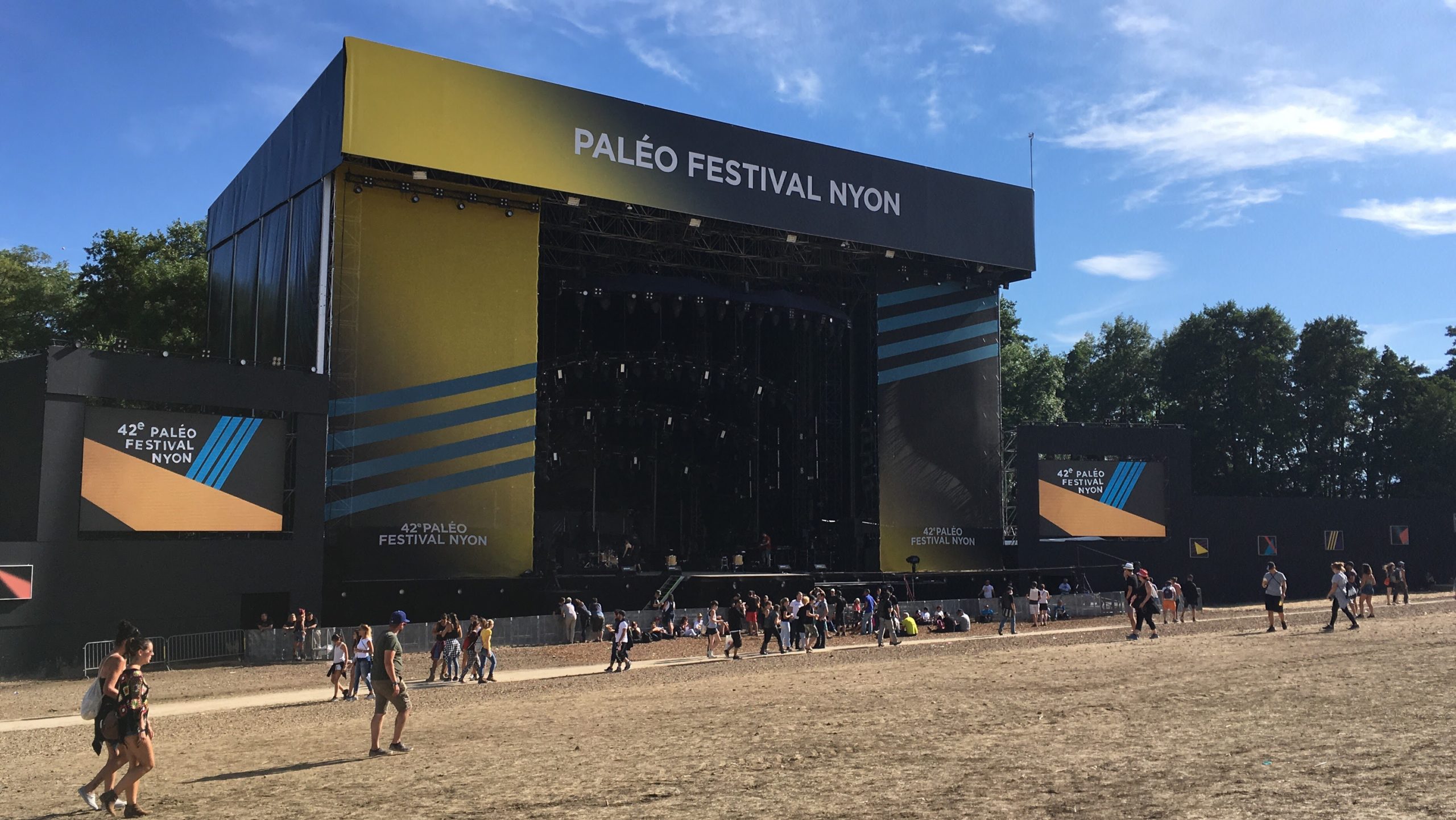
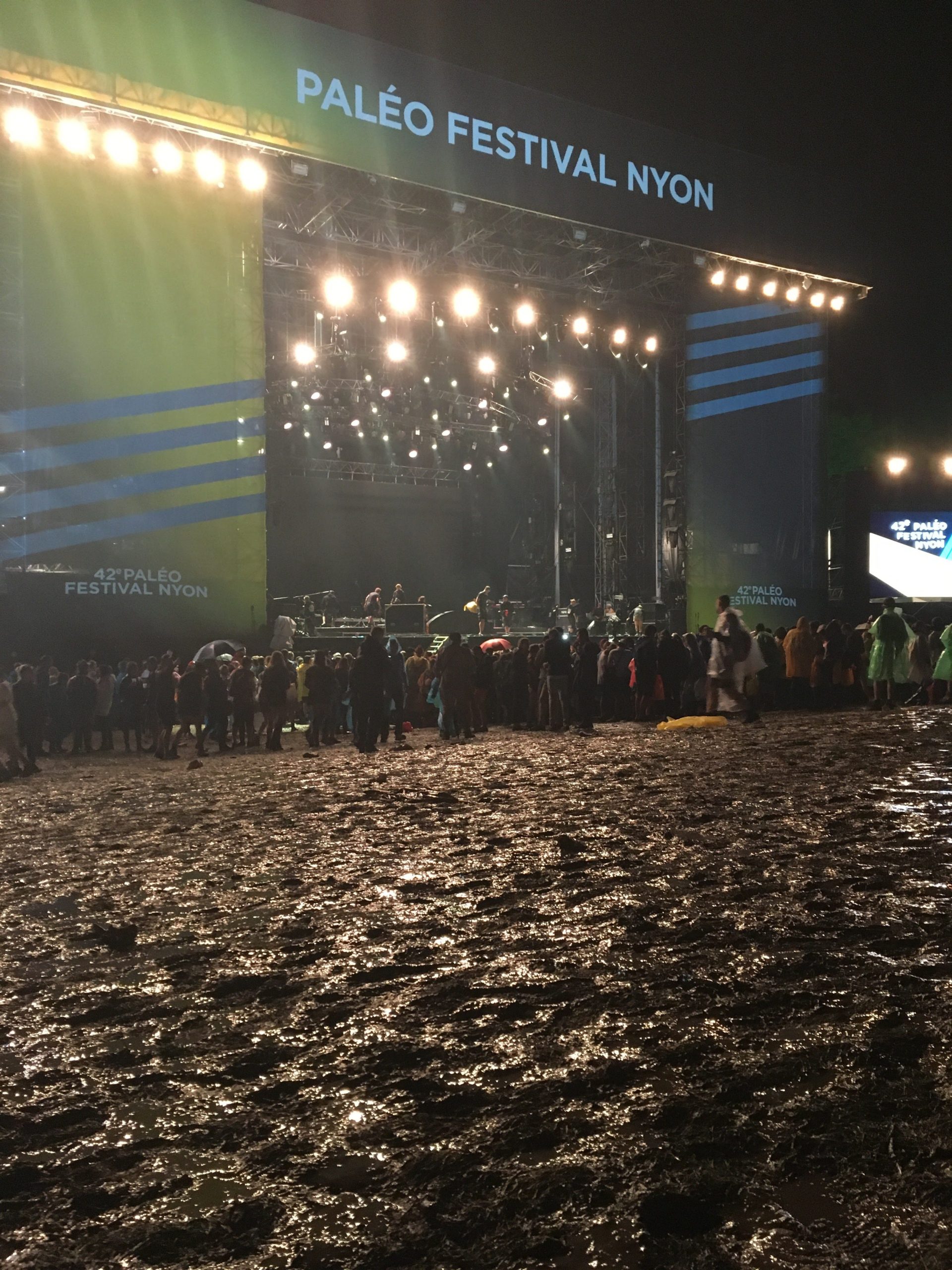
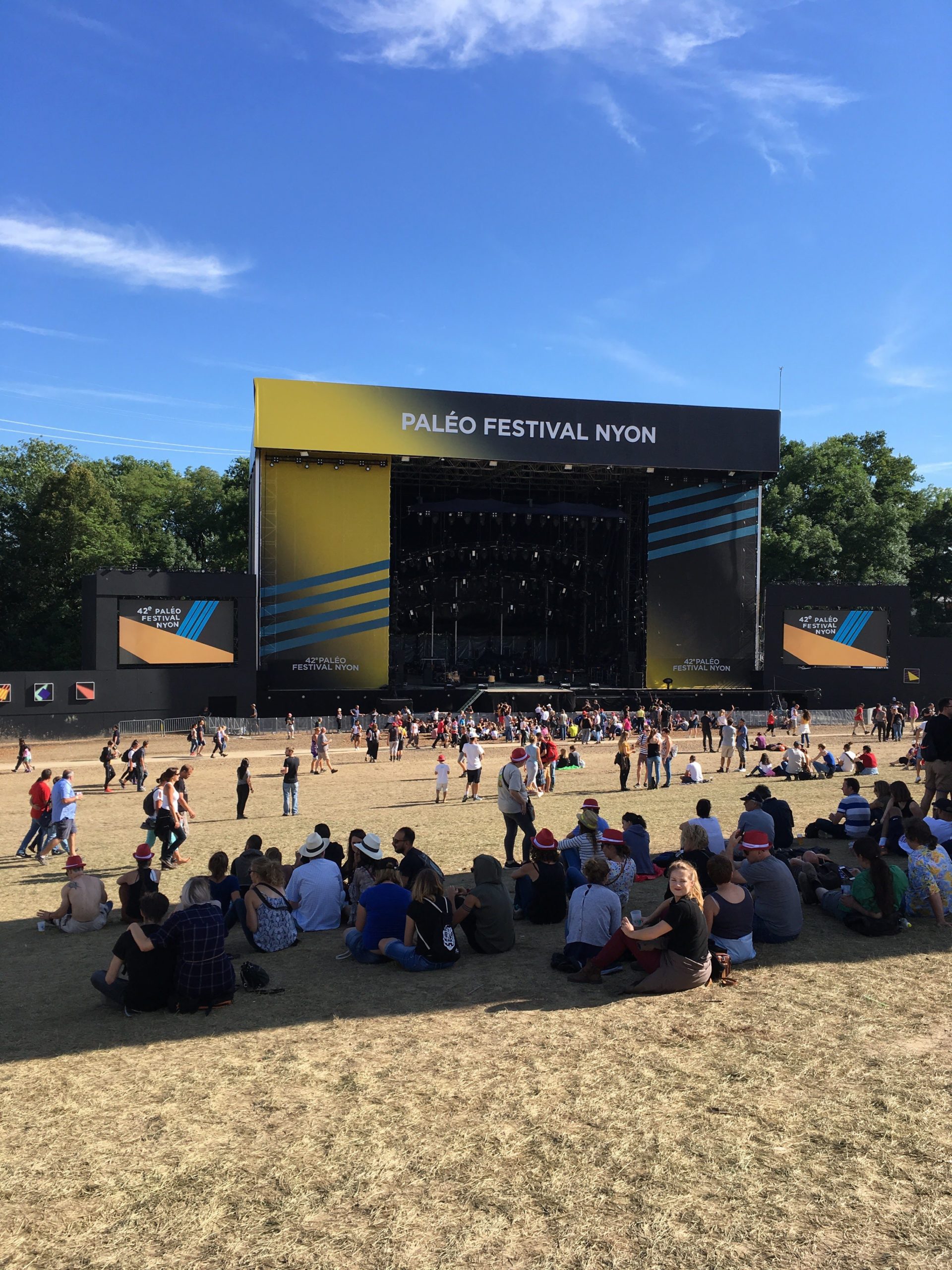
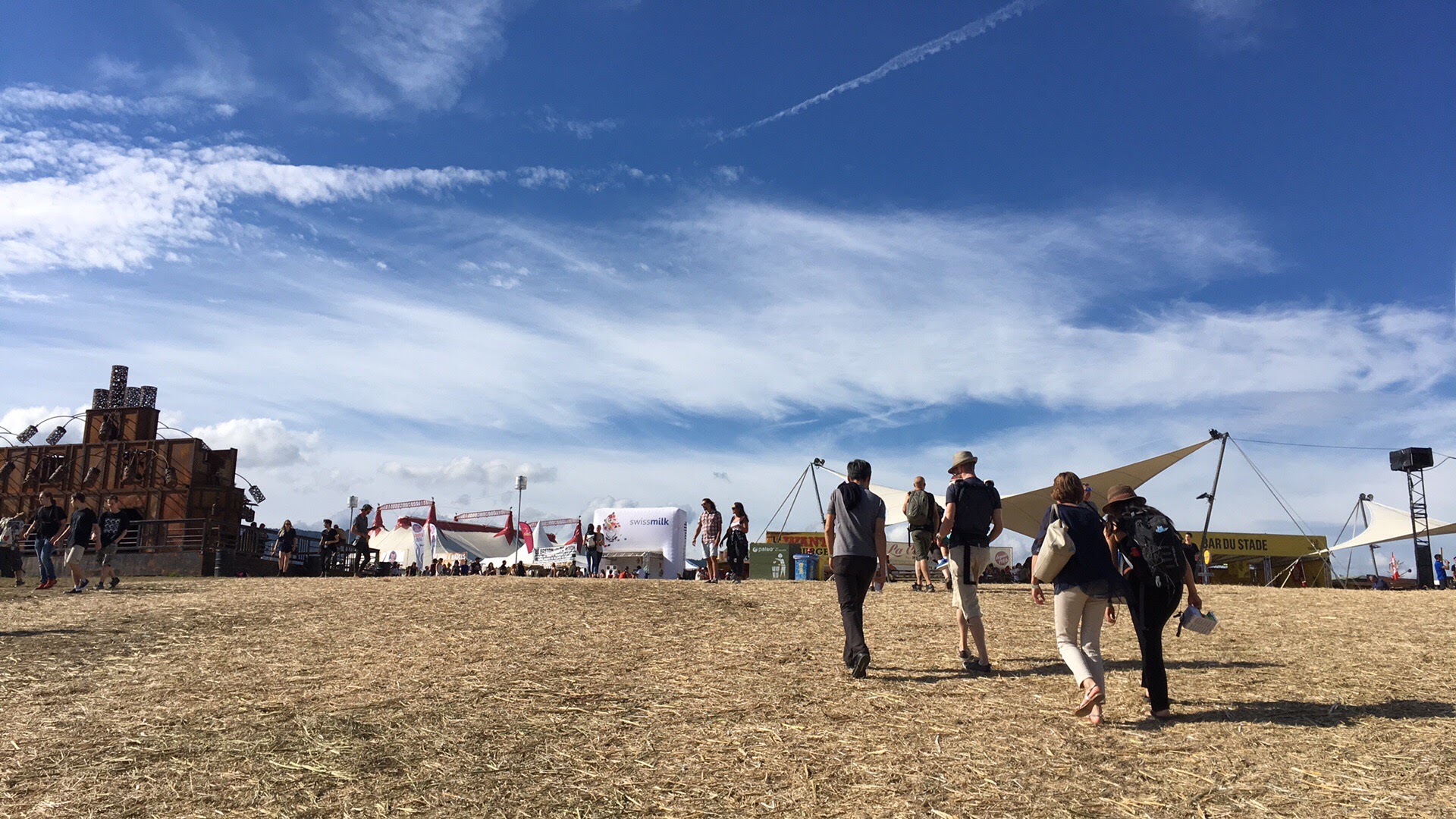
A dry Paléo is as normal as a wet one. On Friday and Saturday if you went to Paléo you would hear the sploutch sploutch of shoes walking through mud. Along with the sploutch sploutch you would also hear the noise of people slipping and catching themselves. Surprisingly people only had dirty shoes. Even their trousers were intact. It’s the grass that suffered. On Sunday when I went to Paléo I could take some amusing images. Look at the image below. During the rest of the year this is a grassy field. During Paléo you can see desertification in action. They put hay down on the dry mud and the result is what you see below. [caption id=“attachment_3694” align=“aligncenter” width=“768”]A dry Paléo A dry Paléo[/caption] This year the temperatures were relatively cool during the Paléo Festival but some people still sheltered from the sun. I like to think that those sheltering from the Sun have already enjoyed several days of Paléo and feel the need to recover before the last night’s activities. [caption id=“attachment_3695” align=“aligncenter” width=“1024”]A Dry Paléo A Dry Paléo[/caption] During most of the year Switzerland is wet and green but during a few weeks in summer the landscape turns yellow due to the dry weather. On Friday there was a warning to stop pumping water from rivers. They issued this warning because they wanted to make sure that the temperature of river water would not get above 26°c. I like the image of these people walking towards Paléo restaurants because the landscape looks so dry and desolate. There is no sign of green. It looks parched. One person said of this image that it looks as if it could have been taken at Burning Man. Neither of us has been so we can pretend that’s the case. [caption id=“attachment_3696” align=“aligncenter” width=“1024”]This is the main stage after the rain This is the main stage after the rain[/caption] When tens of thousands of people churn up the mud and grass the grass doesn’t stand a chance. It gets buried under the mud and as the mud dries we see an “arid” landscape. [caption id=“attachment_3697” align=“aligncenter” width=“768”]The main stage when it’s raining The main stage when it’s raining[/caption] If you look on Google Maps you will see that the traces of Paléo are evident every single year. As Autumn and Winter approach the traces of Paléo are gone. The fields go back to being grass and they rest. The effects of the festival are short lived.

Environmentalism and Traffic Lights

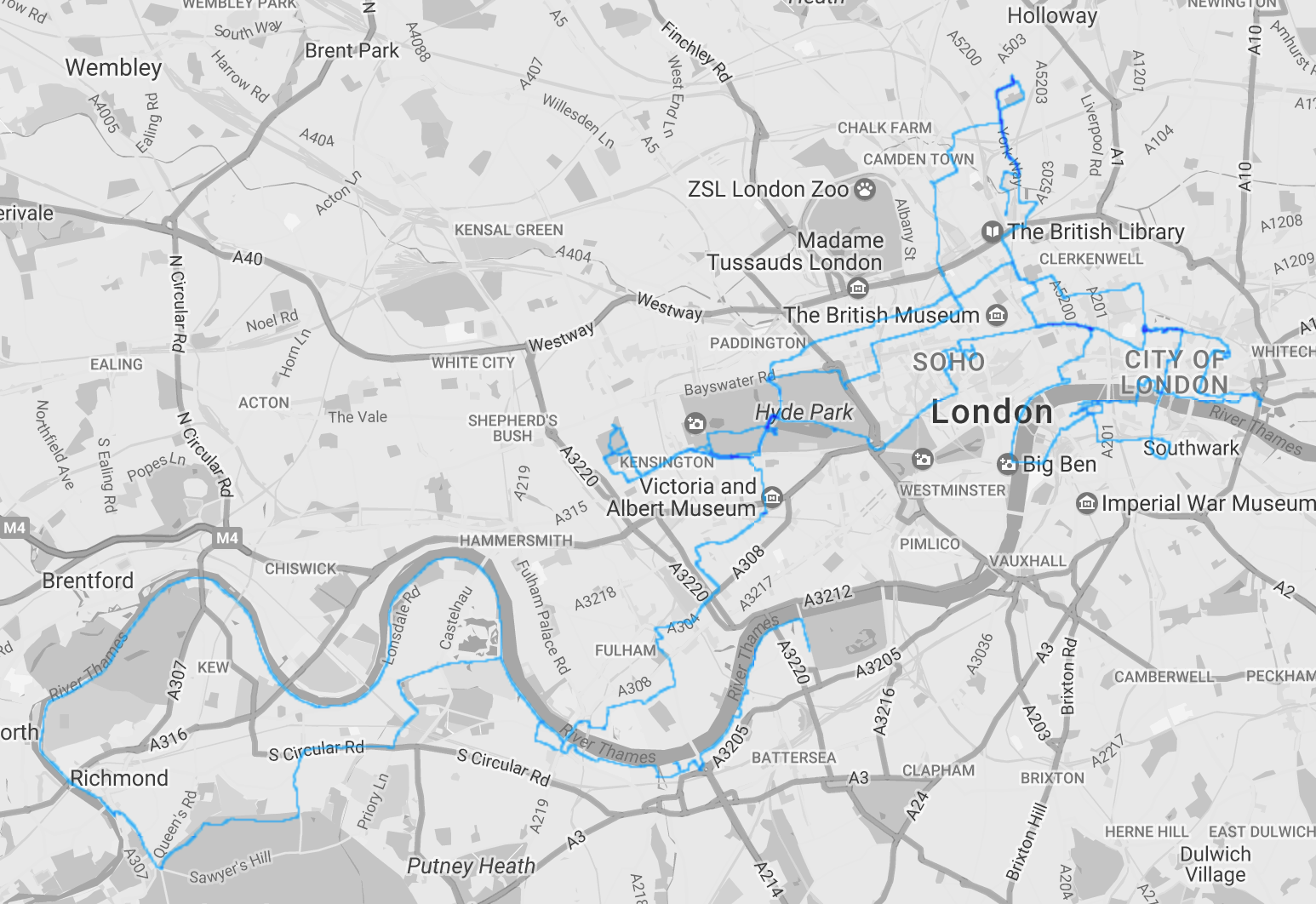
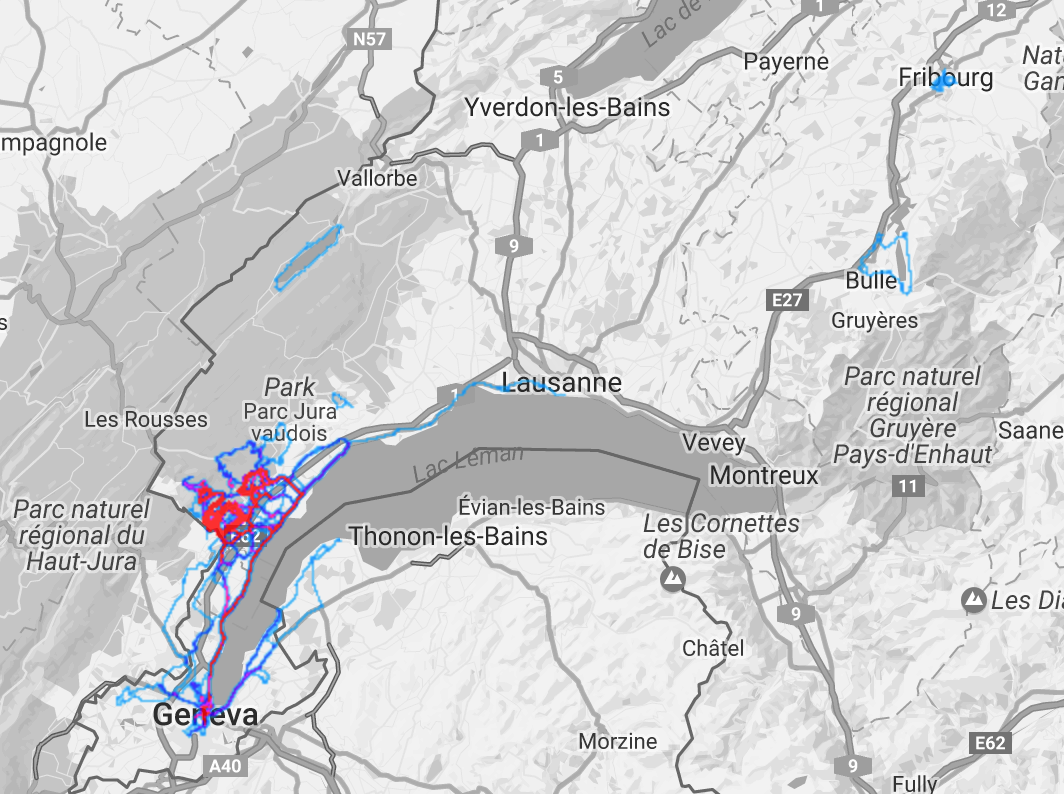
When you’re driving from Nyon to the airport without traffic the journey takes about twenty minutes. If you decide to drive into the city of Geneva that journey time is doubled thanks in main part to traffic lights. It once took me over one hour when scuba diving in Hermance to drive from Place des Nations to the other side of the Mont Blanc Bridge. That’s over one hour for less than two kilometres. That idea cooled down my motivation to dive in Hermance. At the time I was driving a petrol rather than a diesel car. Yesterday I was driving from the foot of the Jura to Cornavin and the drive from the foot of the Jura to Geneva was fast. It’s when you drive from the motorway to the centre that you lose time. 23 minutes to drive 3.8km. I don’t have a start/stop car so when I’m spending 23 minutes at traffic lights the engine is running and polluting the air for nothing. There is no gain from blocking traffic lights. It was even worse when I was on Rue Montbrillant. The GPS indicated 15 minutes to travel about 750 metres. Can you imagine the carbon footprint of traffic lights? That’s 15 minutes of nitrous oxide that had no need to be sent into the air. Imagine the health impact of keeping vehicles trapped at traffic lights. Within 30 seconds I went right and parked at Place des Nations and walked the last 750 metres. I wasn’t going to waste 15 minutes because “environmentalists” decided that the best way to discourage people from driving was for them to sit in traffic and pollute the air. When I was working on Rue Montbrillant I was taking the train to and from Geneva every day and I used an abonnement de route to reduce cost. It works well until you’re reliant on bus schedules. Some routes have one bus an hour. This means that a 30-40 minute drive becomes a one and a half hour public transport route. If you finish your day at 1800 you’d arrive home by around 1930-2000. This means that although you’re taking the environmentally friendly option you’re spending two and a half hours a day to commute. During warmer months and drier days, the scooter was a good alternative. Within minutes you’re on the train to Geneva. That’s the paradox of environmentalism. You want people to be environmentally conscious and you want them to minimise car use but rather than provide them with time efficient solutions to encourage them to take public transport you trap them at traffic lights. Waze, Tomtom and other GPS manufacturers should take the heat maps we generate with our mobile devices every time we drive and design public transport infrastructures to replace the need for cars. This data is already available. Below are two heat maps of cycling around London and Switzerland. If you used the same type of data from cars you could design a system that replaces the need for cars. When you live in a city you see two kilometres as a big distance to drive but when you’re in the countryside 2km is nothing. London on a bike feels tiny after walking and taking public transport. In Geneva it’s not that you have much traffic. It’s that the traffic lights give the illusion of traffic. Most of the side streets are empty of traffic most of the time. [caption id=“attachment_3570” align=“aligncenter” width=“1024”] Distances in London are shrunk by bike. I think it’s the best form of transport, when the weather is favourable.[/caption] This week I wanted to cycle in to Geneva for my lunch time meetings but chose not to because the bike ride is energetic enough without the weight of a 15inch laptop on your back. I did buy a bluetooth keyboard for the mobile phone as a mac book air replacement. That should make cycling more pleasant. I also have spare tires in case I get a puncture. [caption id=“attachment_3571” align=“aligncenter” width=“1024”] Cycling in Switzerland and France[/caption] Geneva’s traffic light policy did work on me. Several years ago I became so tired of waiting at traffic lights when driving into and out of Geneva that I stopped going. Instead of meeting people in Geneva I drove to various lakes to scuba dive and to the mountains to climb, hike, cycle and do other more environmentally friendly activities. This is especially true when we drive other participants. When I climb Fort L’écluse I meet people at CERN and when I meet people to go to Swiss VF I meet them at the Nyon train station, Fourmi metro stations or even the Lavaux motorway stop.

A Plastic Ocean - Recycle more

A Plastic Ocean is an excellent documentary detailing the problems and threats caused by plastics entering water systems and eventually reaching the seas and oceans. This documentary starts with a team trying to film whales. When they finally do find the whales off the coast of Sri Lanka they notice that there is a film of oil and plastic build up miles from the shore. They say that this bit of ocean should be clean as the beaches had been unused for years. They suspect that the plastic had been freed after heavy rains flushed them out to sea. I went to the Graduate institute to watch this film last night and the crowd was already well informed. When one speaker asked, “Did you know that the Plastic Ocean problem was this serious” at least half of the room, if not more raised their hand. When people were asked about the zero waste movement at least a third of people raised their hand. The auditorium was filled to capacity.

Ecosia - Planting trees with a search engine

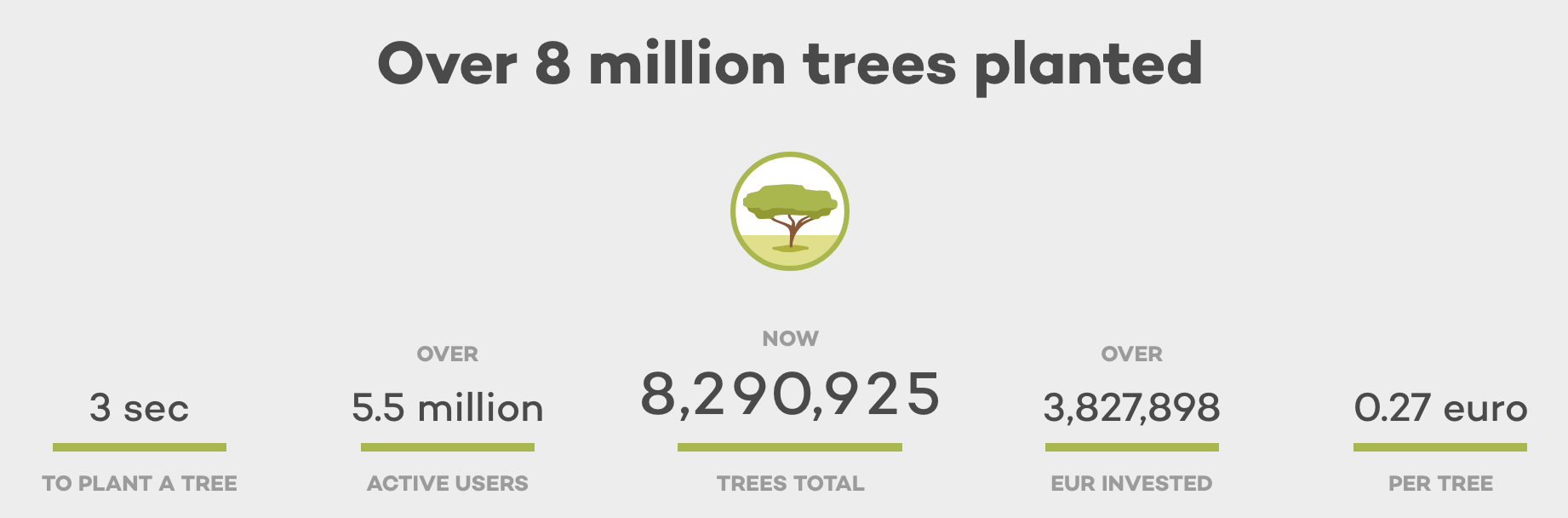
Ecosia is an environmental search engine for those who want to do social good through their web browsing habits. The principle is simple. You go to the Ecosia main page and type in your search engine query. For every search engine query that you do ad revenue is generated. This ad revenue is then invested into tree growing projects in a number of countries. [caption id=“attachment_3527” align=“aligncenter” width=“300”] At the time of writing, Ecosia earned enough to plant 8.2 million trees.[/caption] Deforestation is a threat faced around the world because as trees are removed so the environment of certain species is destroyed and this can lead to the extinction of species. The other consequences of deforestation are that the soil runs off of the land and clogs rivers. It also means that the humidity that was kept around by the trees and plants is now gone. When I worked as a video archivist I watched news items about refugees and how they were planting trees in their camps. They planted them as an investment in the future. Ecosia produced a video with a similar message which you can see above. They currently have projects in Peru, Madagascar, Burkina Faso, Tanzania and Indonesia. These projects cover a number of needs. They help to reforest areas where excessive logging has taken place such as in Peru. In Madagascar they are hiring villagers to replant the forests to help preserve biodiversity. In Burkina Faso they are planting trees to try to stop the desert from encroaching on the areas where people live. In Tanzania we find another conservation of biodiversity effort. In Indonesia they are planting ten tree species to stop the spread of Palm oil farming and to save the natural habitat of Orang Utangs. Europe, North America and other parts of the world were once covered in forests that were thick and full of life. With population growth and development forests were cut down for firewood and to provide space for fields and more. It is nice to know that today there are projects like Ecosia that aim to reforest areas around the world so that future generations may still play and enjoy forested landscapes. Either install the Chrome plugin or bookmark the website.

Shark Reporting.

In the age of drones this is how shark reporting should be done. The Coast guard or local surfing schools should fly a drone around and check to see whether there are any sharks present. If and when they spot a shark or groups of sharks they could temporarily close the beach until the threat is gone. It reduces the need for shark nets. It also reduces the need and desire to kill any shark that is spotted as people are informed ahead of this time. The report tells us that the sharks in the video are juveniles and that the reason for which they are on this section of beach might be linked to a dead whale floating “about eight miles away in that direction”. There is no sensationalism. We are given the facts. The report then tells people that if they do want to swim or surf and be safe they should stay near the lifeguard tower. When a whale dies it provides sharks with enough food for days or even weeks. It provides them with food until it looses buoyancy and sinks to the bottom of the sea where crabs and eels eat the remains. I’m sharing the second video because we see divers photographing and filming sharks as they eat a whale carcass. We see how close they get without any difficulties. There are a number of interesting documentaries to learn more about sharks and I recommend watching Sharkwater because it shows that rather than sharks being a threat to us it is us that are a threat to sharks. By taking a calm and rational approach to sharks we are helping preserve the ecosystem. By learning to cohabit with these animals we are allowing future generations a chance to see these animals. With today’s technology we can monitor risk, especially on calm and clear days.

Dirty Gold War screening at the Graduate Institute.

I went to watch Dirty Gold War at the Graduate Institute at lunch time today. The film is interesting because it makes you think about the environmental impact of gold mining. We’re familiar with the stories of gold mines in South Africa. We’re familiar with the stories of the gold rush. We don’t often think of the environmental impact of Gold mining in rain forests in Latin America. This documentary introduces the topic well. It brings our attention to the fact that when people buy luxury products like gold watches, bracelets and other objects they are buying objects that have no environmental or ethical credentials. It leads us to question when the luxury industries will be accountable to such considerations. Mobile Phones, laptops, televisions and other devices all contain traces of gold. If that gold is sourced from environmentally unfriendly sources then we are contributing to the destruction of the rainforests and the poisoning of ecosystems. Fairphone and other companies with such goals benefit from such documentaries because we are shown why their goals are so important. It contextualises their mission and their reason for being. It also helps to put pressure on all electronics manufacturers to do more to reduce their impact on the environment. Dirty Gold is a topic that does not get much attention. As I reach the conclusion of this blog post I find that Dirty gold points to a music album rather than gold mining. We need to raise awareness of this topic. People are wearing wedding wings, luxury products and using electronic devices that are in part for the degradation of the environment. As awareness of these issues grows so companies like Apple, Sony and others should work to ensure a clean product line, from raw material in the ground to the finished product.

Using an Xtorm Solar Charger

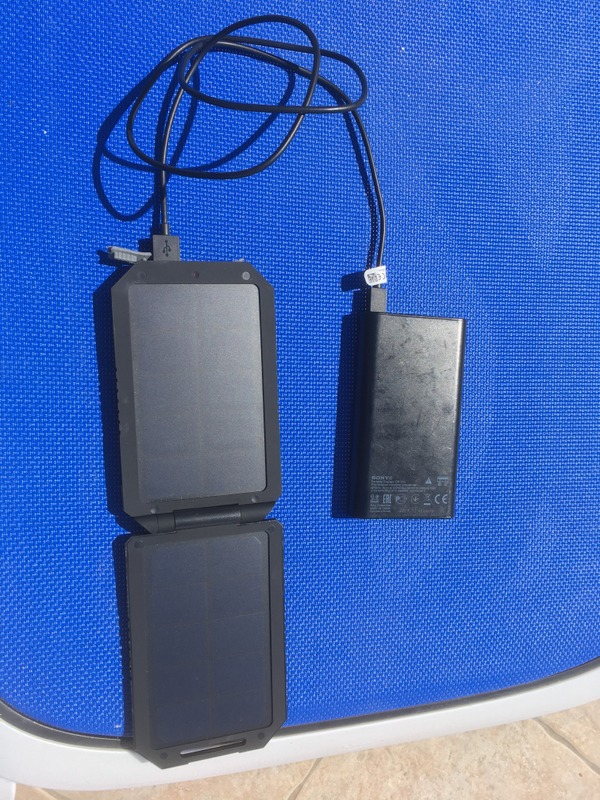
While in Spain for three weeks I was playing with the Xtorm solar Charger. I found that it worked well for the charging of tablets and e-book readers but not mobile phones. [caption id=“attachment_3462” align=“aligncenter” width=“225”]Solar charger and external battery Solar charger and external battery[/caption] For years I have wanted to play with solar power. I have wanted to buy a solar panel that I could fix to my bag or that I could use to charge devices. I often looked at the price and weight and changed my mind. I don’t want something that adds kilos to my load, especially if I am climbing. With a small device like the one pictured above you can carry it with you and use it to charge devices. When you drive to the hike or climb, or when you stop for lunch or a drink you can take out this device and start charging your phone, gps, led lights or other devices. if you want to charge devices to 100 percent then I would recommend charging ipads, ebooks, gps watches and other devices with this device. I found that it’s great for providing a phone with a top up charge but that because of my mobile use patterns it will only provide one full charge per day. When we hear people speak about solar power we always hear about “How do we store the power we generate so that we can use it when we need it?” and I found a way. When I woke up in the morning I would put the solar charger near a window or outside if there was no chance of rain to charge up to over 75 percent. When it reached this charge I connected the solar charger to a 10,000mah external battery. It is by using this technique that I have been able to keep my external battery fully charged with no need to plug it in to mains power. In effect it means that I can charge the ipad, the phone or the e-book reader without using mains power.
Learning about Tiny Houses

Learning about Tiny Houses is interesting. There are a number of features/documentaries online where people build their own tinyhouses either from shipping containers, trailers or other structures. The aim of these tinyhouses is to maximise space and reduce costs. Some of these homes are entirely off the grid. They collect rain water and solar panels provide power. The bedroom is often built above the kitchen and climbing wall holds are used instead of ladders or conventional stairs. One home folds out from a truck to become a castle. One tower serves as a toilet and the second one serves as a shower. The space above even features a bath. Another Tiny home is designed as a tree house providing a beautiful 360° panoramic view of the landscape around. This tiny home is interesting because it’s built out of half a shipping container. For a change the bed is below and the living room is above. The kitchen and office are next to it and there is a shower from which to watch birds. I have seen a lot of people speak about minimalist living, living off the grid and living out of cars, campers and other vehicles. By watching videos about tiny houses you begin to understand that there are certain basics that you need to have and that these basics fit in to small spaces. If you have a van, a caravan or other vehicle then you can live as comfortably as these people. This last video would make for a perfect summer home for recent university graduates or high school graduates. It’s small, light and mobile. You’re self sufficient to a great extent and as long as it’s warm you have your own space. It’s amusing that in at least three videos we hear about people learning to be neater through living in such small spaces. As a scuba diver, rock climber, cyclist and geek the biggest challenge for someone like me would be to find a place where I could store my diving gear and especially the scuba tanks. They’re bulky. Diving gear also needs to dry properly to avoid the smell of the lake (as I used to dive weekly in the lake). My view of living in a tinyhouse has changed through the watching of these documentaries. It shows you that what you want is functionality rather than size. You want “gadgets” as these maximise how you use available space.

A Rock Crawler and Wildlife Film Making

When Gordon Buchanan was following bears in the United States we watched the resulting documentaries on television. We have seen him a number of times in episodes of countryfile as well. Now he is working on getting footage of wolves in the wild. For this project he is staying out in the wild and following a pack of wolves day after day for weeks. As part of this project he is filming with a broadcast camera and gopro cameras which he fixed on to a “rock crawler”. The Rock crawler is a remote control car with the body removed. The BBC were working on a documentary about polar bears and for certain shots they created a den for filming purposes. It helped to tell the story but people felt that the purity of that documentary had been tainted. This genre of documentary aims to tell a genuine story with no reconstruction or trickery. Everything has to be genuine. As we see from the footage above Gordon Buchanan was able to get the camera right up to the den and film the wolf cubs from the mouth of the den. This technology is great for story telling because it provides the camera operator with greater flexibility. He is able to get the camera to where he wants it to be without going there in person. In theory animal behaviour is genuine.