Climbing

Admiring the Tour D'Aï from the Via Ferrata de la Cascade

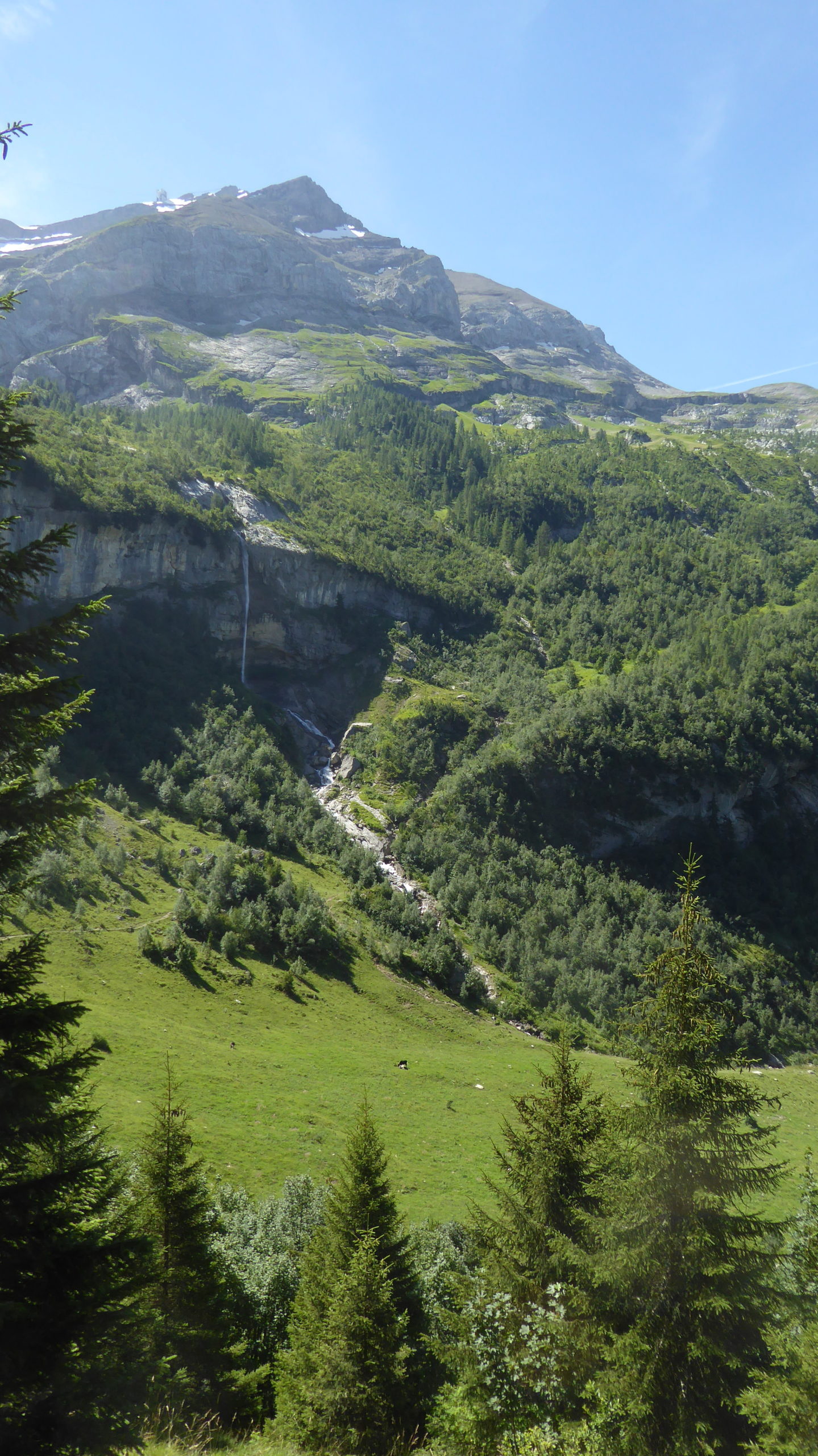
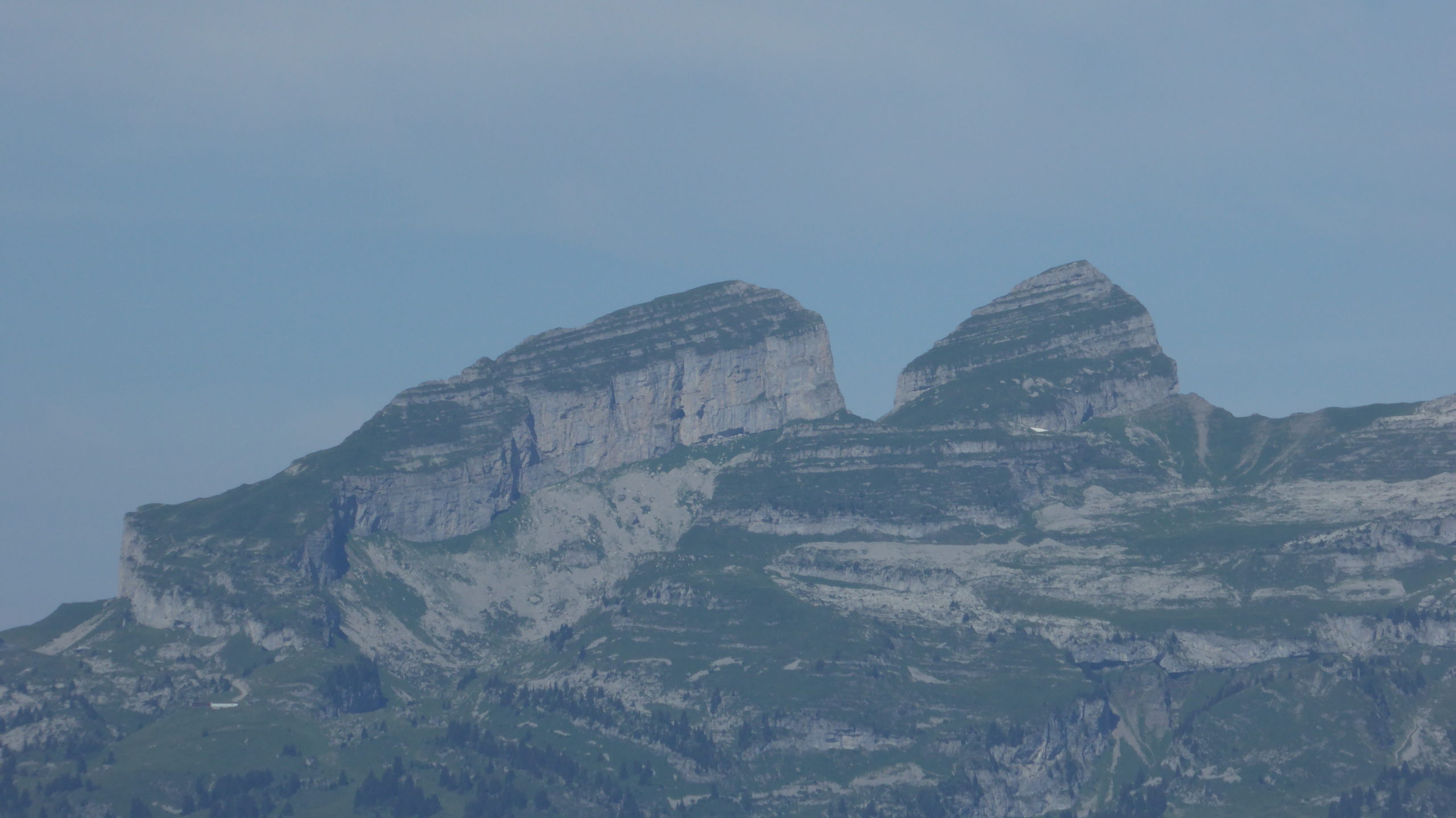
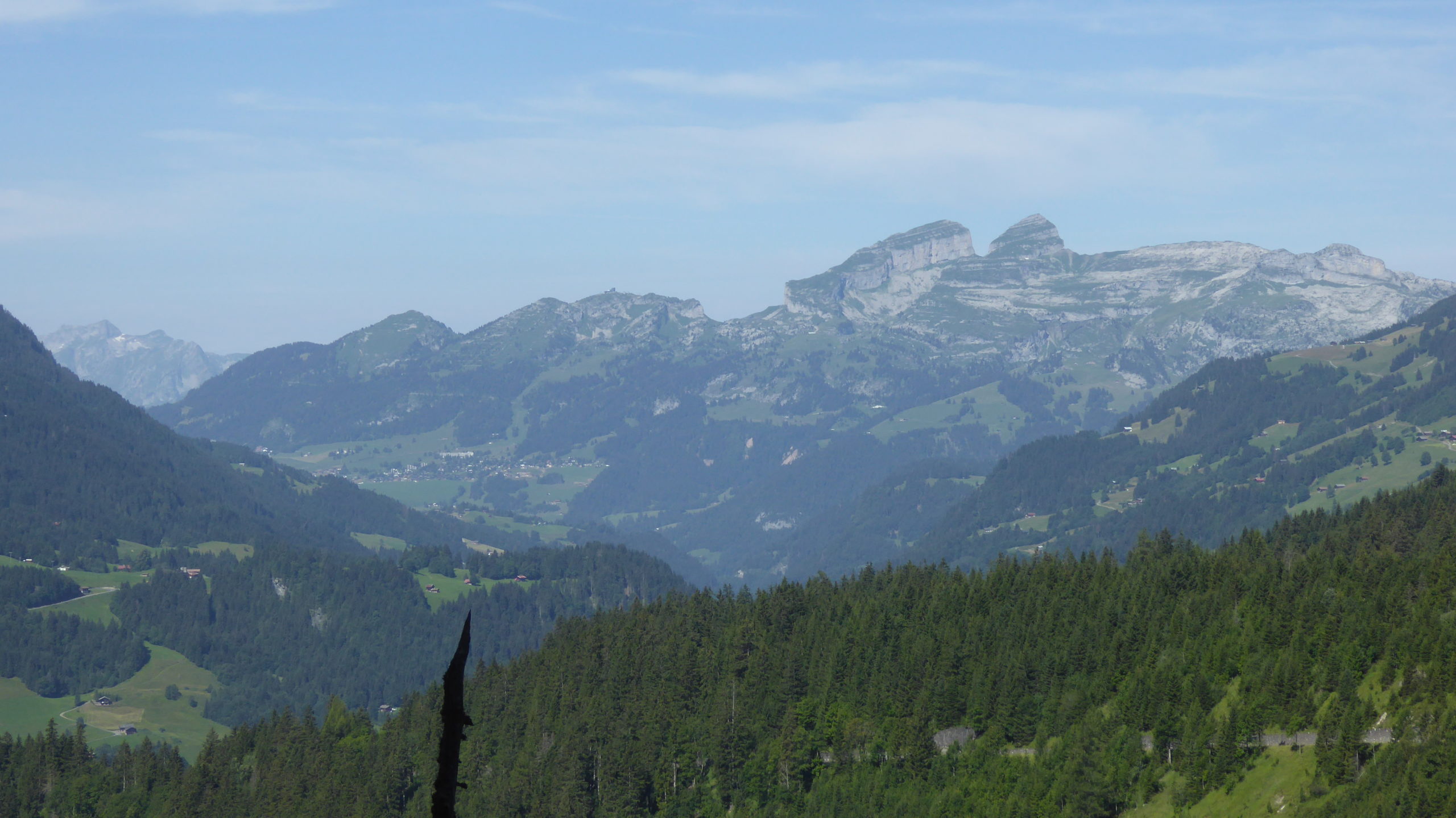
The weather was clear so I was admiring the Tour D’Aï from the Via Ferrata de La Cascade. I was in Les Diablerets as I am one of the volunteers at the FIFAD film festival. I turned up three hours before I was needed and as I had all my climbing gear, except the pulley for the tyrollean in the car I drive I was able to put on my climbing gear and go for an individual climb of the Via Ferrata. The weather was nice, the temperature was comfortable and the via ferrata was quiet. Aside from two guys climbing one of the climbing routes I was alone. I prefer to climb with others. [caption id=“attachment_3232” align=“aligncenter” width=“576”]Via Ferrata de La Cascade Via Ferrata de La Cascade[/caption] Via ferrata alone are fun because you go at your speed. There is no need to wait for anyone or rush to keep up. I enjoyed how clear the landscape was. I looked across the valley and I could clearly see the Tour D’Aï and the peak next to it. It is the first time that I notice so clearly the other Via Ferrata. [caption id=“attachment_3233” align=“aligncenter” width=“660”]The Tour D’aï seen from Les Diablerets The Tour D’aï seen from Les Diablerets[/caption] When you climb the Tour D’aï via ferrata you climb from the other side and go to the summit of the peak on the left. When you walk down you walk on that green part. The trail is an alpine one, for experienced hikers. You see that there is quite a drop if you make a mistake. You normally see this mountain from the Leysin side. [caption id=“attachment_3234” align=“aligncenter” width=“660”]The Tour D’aï seen from Les Diablerets The Tour D’aï seen from Les Diablerets[/caption] This image shows the Tour D’Aï in relation to other mountains. When you go to Les Diablerets this image will help you locate the peaks. The shape of that mountain is easy to recognise. We will see when I try the Rocher Jaune. That via ferrata is higher up starting at 2400 metres and ending at 2450 meters according to one source.
Getting Up Getu - some impressive shots

Getting up Getu is short documentary climbing video about Alex Honnold and Felipe Camargo climbing a beautiful roof climb. The most spectacular aspect of this video is the size of the arch that they are climbing. In two or three shots you see the size of the rock formations compared to the climbers. The people look tiny. The rock formations that droop down from the ceiling look interesting. The climbing at this location ranges from 5a to 9c according to one source I skimmed through. There are 250 routes to choose from so this is ideal for a great number of climbers. This was the 2011 location for the Pezl Roctrip. Getu looks like a beautiful area in china with interesting rock formations, arches and much more. The video below provides you with a glimpse of what else there is to see in this region. It is in the Guizhou province of china and the nearby city is Anshun. Getu, China from Ryan Deboodt on Vimeo.

Lead climbing in to the Sunset

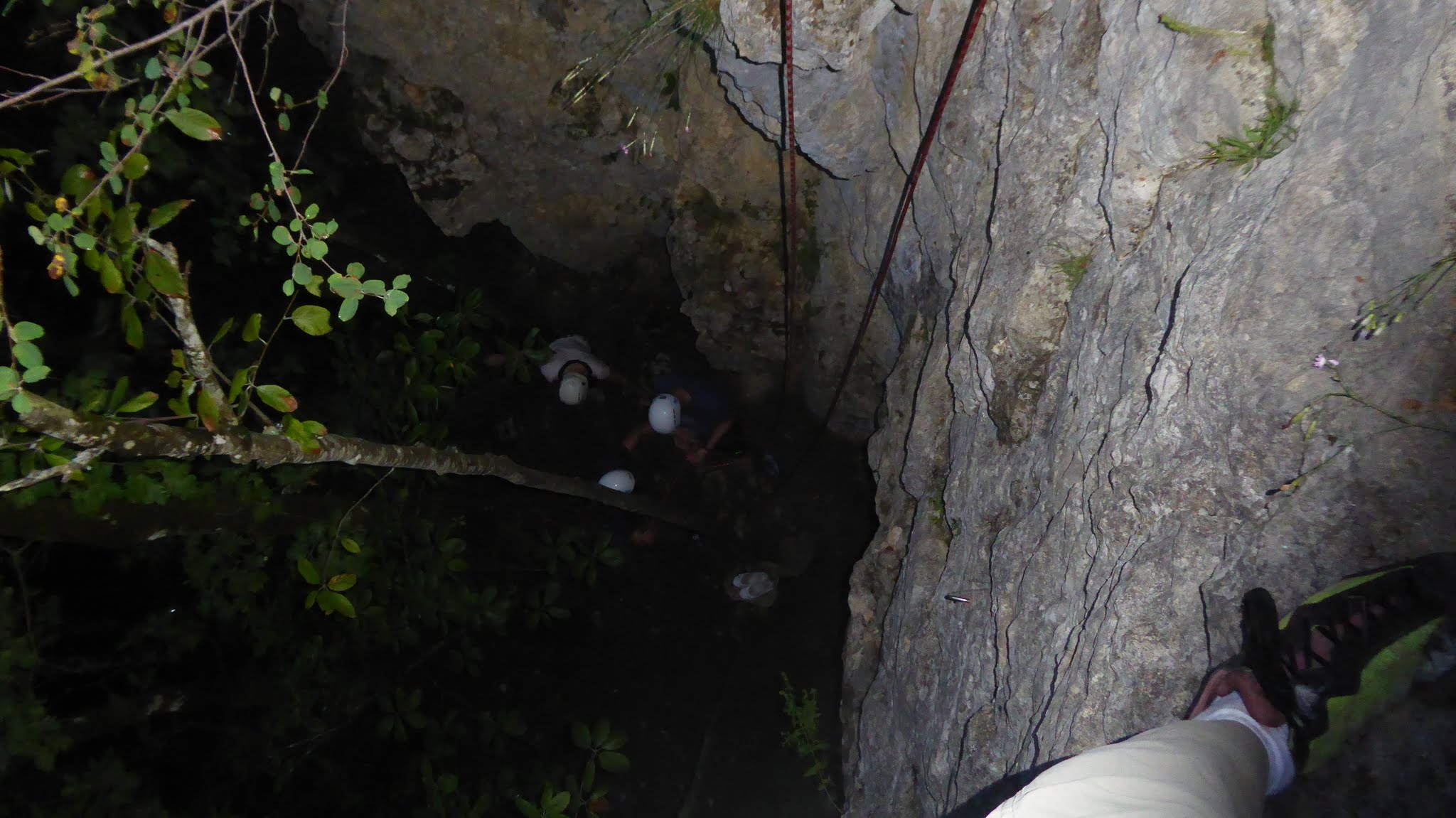
Last night I was lead climbing in to the sunset, outdoors, for the third time this year. The experience was interesting. Although I am comfortable lead climbing up to 6a indoors I am less confident when climbing outdoors. The challenges you face outdoors are that you’re looking for bits of rock that you feel secure using rather than a specific coloured hand or foot hold like you do when climbing indoors. Yesterday I managed to lead climb two routes and I am happy with that. I am getting to grips with placing quick draws as I climb and securing myself. I also have the opportunity to practice threading once at the top, to come back down. On the first route I threaded. On the second route I set it up for top roping. When I got to the top of the second route the sunset was getting towards its peak but I had no camera to take a picture with. The experience was nice because you start at the foot of the cliff, hidden by trees. As you climb you go through the canopy and get above it to see the sky and undulating wooded landscape. This particular route has you scrambling over a tree to get to the top and there is a nice ledge. Threading is easy when you can stand. The climbing site is St Loup. It is about twenty minutes from lausanne and is easy to get to in the evening after work if you live near Lausanne. The parking has enough space for about ten cars and you have to walk for about ten minutes before you arrive at the climbing walls. Some of the climbs are labelled with their name. With a guide book you can identify the routes and determine the difficulty. I apologise for having no pictures from this day of climbing. As we were an even number of people there was no standing around and waiting.

Bouldering as an art form

I see Bouldering as an art form. By watching people climb you see that they have learned to use their bodies as well as the environment to get any mechanical advantage they can find. In some cases it requires the use of a leg wedged in to a space. In other situations it involves hanging upside down and in yet another context it requires leaping and hoping to grab the next hand hold. The video above demonstrates the beauty of bouldering. It would be easy just to show the three seconds when the person completes the move but to keep the exploration available, to show the trial and error provides us with a deep understanding of just what is required to complete certain moves. You can watch to see where they place their feet to prepare, how they prepare their legs to provide that boost of energy, how they switch from one hand to the other and how they use limbs to get the required mechanical advantage. You see people arrive at one hold hanging upside down, let go with their feet, swing their body around and then stabilise that position. Imagine the strength and agility required for those moves. Three minutes in to this video you see a French athlete lean his body against the wall and swing his left arm around and up to grab hold of the next hand hold. They demonstrate great skill and mastery. When I watch these videos my desire to become as good as them increases and it encourages me to experiment more, to take advantage of the lessons that I am being taught by watching these videos. As a climbing friend says “we are all here teaching each other to climb”. This exchange occurs because we have different levels of skill, adrenaline and body size and shape. Climbing is a collaborative effort.

Rock climbing foot holds

Rock climbing is a full body workout and in practice you can do whatever works best for you. Knowing how to use your arms and legs is important but so is knowing how to place your feet. We know that sometimes to go up we must look down to where there is an opportunity to push up from. What we are less likely to do is use the heel rather than the front of the foot for a foot hold. When I was climbing this weekend I found that if I used the front of the climbing shoe I would slip. The person belaying me was giving instructions so I followed them. When I turned around and looked down though I saw that the person was giving instructions to someone else. I made the mistake of assuming that I was the one receiving directions. I benefited anyway. I tried different footholds and it worked. I felt safe and comfortable using my heel rather than the front of the foot. It was stable. I mention this because in Villars sur Ollon at the IFSC Climbing World Cup you can often see climbers extend their leg horizontally and use the wall as a pressure point despite there being no foot holds. In the second video produced by another person we see how hips can be used to counter balance movements and make reaching for hand holds easier. This is a technique I will need to practice in the climbing gym on the overhanging 6a routes. I know that I can do them but my fear of falling and my lack of trust that I have the strength limit me. If I practice this technique then I will climb to a higher standard. Youtube videos are an excellent way of practicing skills and getting to the next level. There is always something new to learn, something that will make climbing less strenuous. This is a positive aspect of having a low barrier to entry for video content.

"Superhuman" Climbers

A few days ago the Rio Paralympics “We’re The Superhumans” video popped in to my newsfeed on Facebook and I eventually watched it. The moment that most impressed me is the olympic athlete climbing 2 minutes 20 in. He is dynamic in his climbing technique despite not having any hands. As a climber those two or three shots impressed me and it encouraged me to look for more such climbing videos. They are interesting. It is nice to see climbers take their passion to the next level. I often think that climbing is a mental game. Most of us have to overcome our fear of heights and we need to learn to read the climbing wall, hand holds and foot holds to climb up as elegantly as possible and without getting tired. Overcoming that fear of heights takes exposure. The more you climb the more you get to grips with the feeling of being high off the ground. You also learn to trust yourself and your equipment. That trust allows you to see opportunities and use them. David Bowes was injured in a road traffic accident while commuting one day. In the clip below he says that despite not always enjoying the moments when he is climbing he always feels better when he gets home and that this is why he climbs. In the third video we see that climbing is not limited to people who want to become world class athletes. We see that climbing is for people who simply want to work on their self confidence. They overcome their disabilities, feel pride and build their confidence. Every one of us gains by climbing. We see that some people climb with prosthetics and that others are climbing using just their arms. In other cases people are using artificial limbs to get up the wall. We see that some people with one arm lever their body in to a stable position that lasts just long enough to let go of one hand hold and grab on to the next one. It is enjoyable to see how much ingenuity goes in to climbing. As we see in the final video some groups want to provide people with the opportunity to climb at least once and to reach the top of the wall. Whether they become passionate about the sport or not is not what matters. What matters is that they get a sense of accomplishment, of setting and reaching that goal. These videos are empowering as we see that anyone with

Climbing Photography - for when other routes are too wet.

I have been climbing outdoors for five to six years and during this time I have enjoyed both climbing photography and taking video. The two biggest challenges I face are how to keep myself in place and how to be confident that I will stay where I am. This requires trusting the climbing harness, the little cow (petite vache) and other safety equipment. [caption id=“attachment_3177” align=“aligncenter” width=“660”]Climbing Photography Climbing Photography[/caption] Yesterday with the group I climb with every thursday we went outside towards the St Loup climbing route. As it had rained recently many of the climbing routes were wet and slippery. When I put my foot down I felt that it was not going to hold if I continued to climb and so I said to a fellow climber whom I know from my diving days that if this was a dive I would call it. I would abort it. I took advantage of this situation to climb where a top rope had been placed and then secured myself about three quarters of the way up the route on a ledge. From this vantage point both my hands were free so if I had taken my main video camera or DSLR photo camera I could have had some nice footage of group members climbing up this route. As the sun was setting the shutter speed was slow. I did manage to get a few good images nonetheless. With the flash the images look as if they’re from a caving trip rather than climbing. If the weather is good on Sunday I should be able to practice more of these skills in an old quarry where climbing routes are set up. It’s easy to get images from the ground but to get images from the climber’s eye level or above is more of a challenge. I will have fun practicing this skill.

Rock Climbing and live distribution

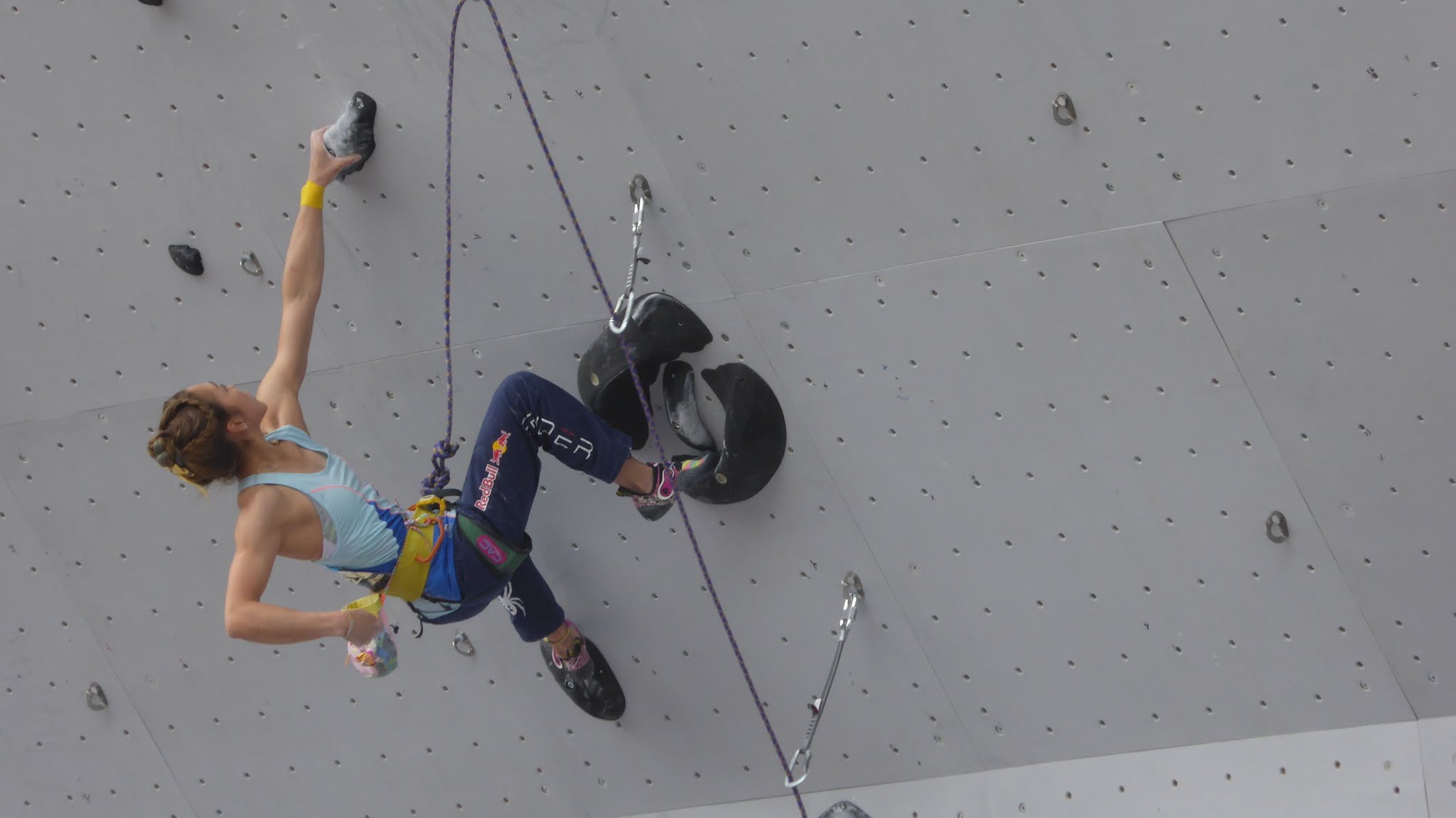
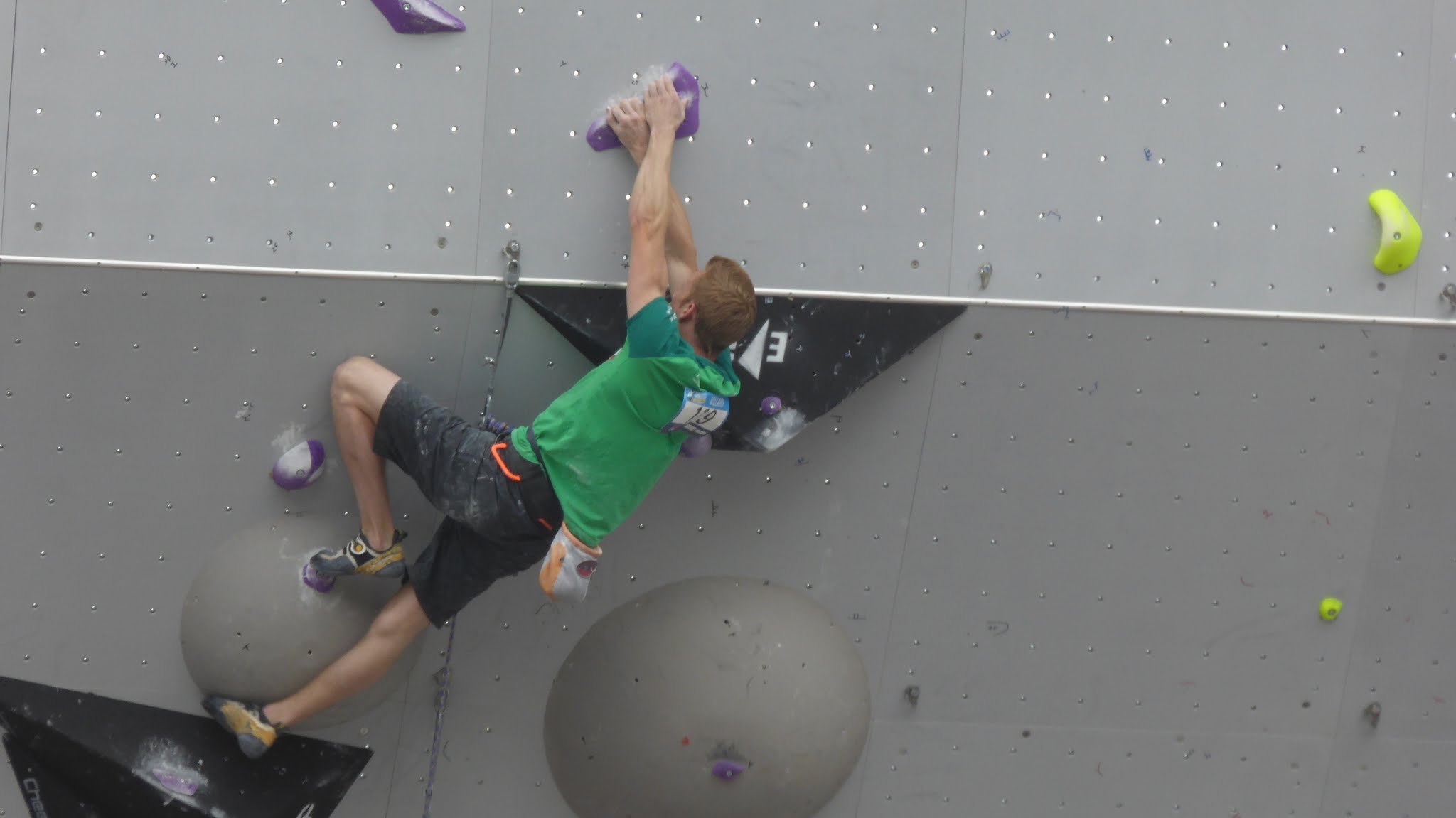
Live distribution of sports such as Rugby, Football, Tennis, Skiing and other sports is easy to justify because of the audience size. Rock climbing and live distribution of this sport however is harder to justify because it is a niche sport. Sponsors exist and interest in the sport is growing. We see that there are a number of climbing events, via ferrata groups are popular, the number of local climbing gyms is increasing but for a mass audience to watch these events is still unlikely. I noticed recently that recorded as live climbing events are available on youtube and that we can watch two to three hour broadcasts of these events. If you are learning to climb and if you want to perfect your climbing technique then these broadcasts are excellent because you can watch exactly what the climbers are doing. You can see where they put their feet, which hand they use for a certain hold, how they balance their body on the wall and how they clip in the rope. In effect these videos are climbing lessons for the youtube generation. You can imitate climbers with the same physique as you. You can really watch the climber try hand holds and foot holds. “Does it feel comfortable? No, then I try this, ah yes, this is comfortable.” Watching this process teaches the average climber to be methodical about finding foot and hand holds. In climbing you need to look up and down. You also need to look for small movement opportunities. Moving a foot up five to ten centimetres can make a hand hold easy to access. [caption id=“attachment_3159” align=“aligncenter” width=“660”]One of the IFSC Climbing World Cup climbers in Villars One of the IFSC Climbing World Cup climbers in Villars[/caption] People have been rock climbing for generations but it is making its way in to the mainstream. Recently Rock climbing was accepted as an Olympic discipline and we will see this sport at the 2020 olympic games. As this is a sport that requires strength, agility, stamina and intelligence it is a natural, although modern, olympic sport.

Appreciating the IFSC Climbing World Cup in Villars

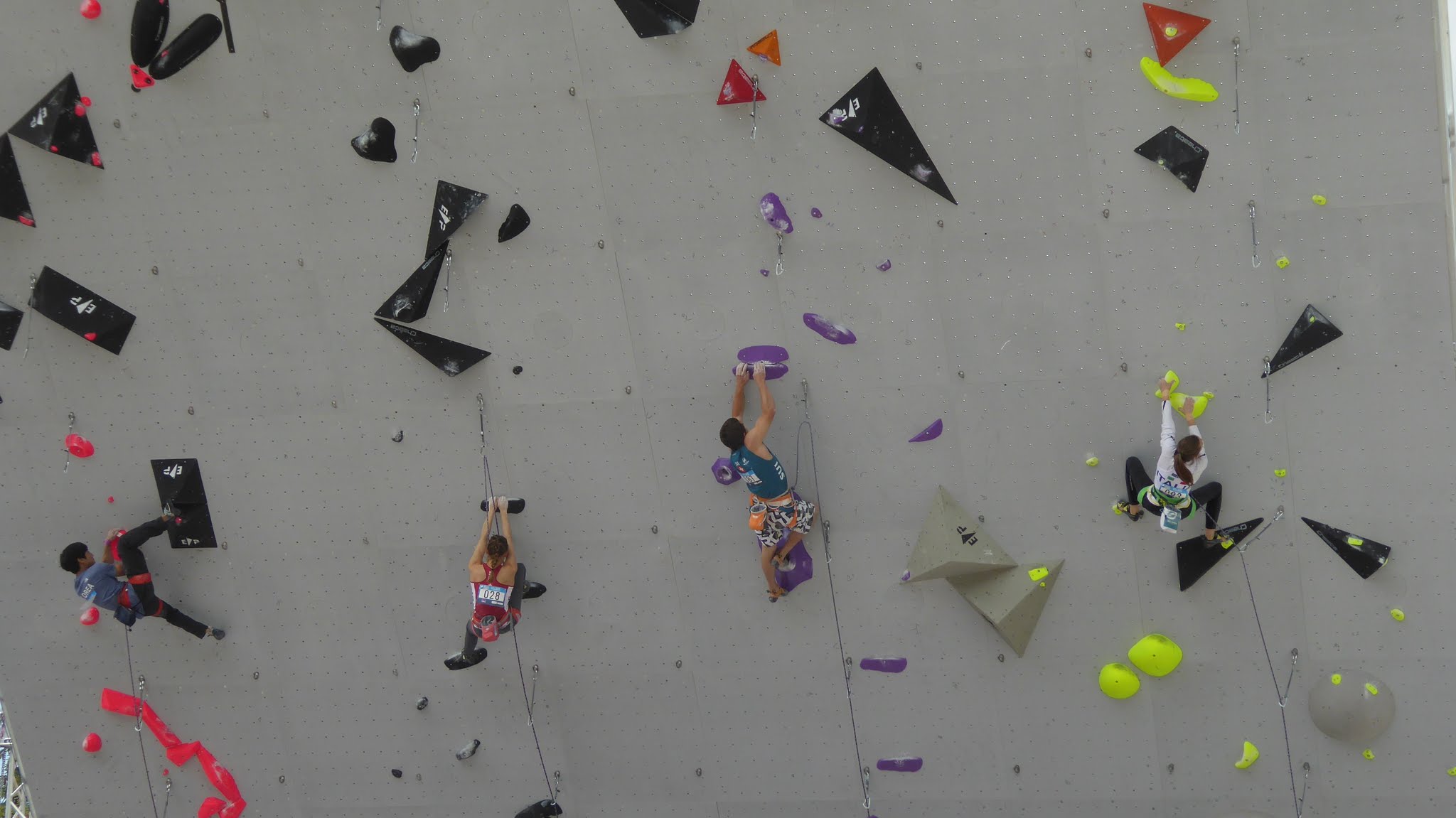
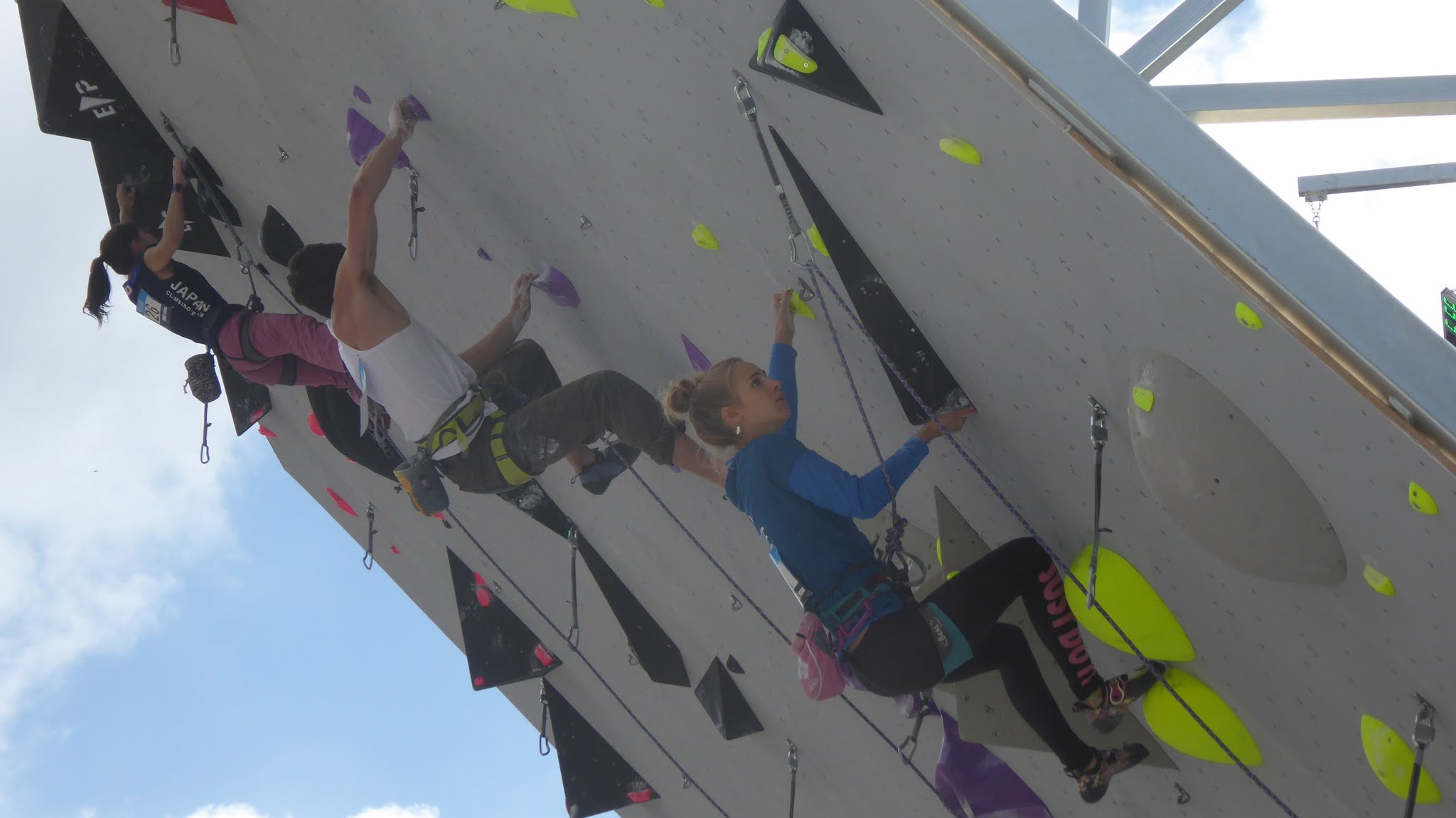
Climbing is a sport that I have enjoyed for most of my life. As a child I would climb on to roofs, on climbing frames and up trees. Occasionally I would climb on rocks but as I had no safety equipment I was limited. Five or six years ago I went climbing with some people via Glocals in Italy and we climbed 5a routes. I enjoyed the sport but I found that there was a lot of waiting. It is for this reason that I spent five years doing via ferrata. [caption id=“attachment_3142” align=“aligncenter” width=“660”]Climbers at the ISFC Climbing World Cup in Villars Climbers at the ISFC Climbing World Cup in Villars[/caption] Recently I have found a group of people with whom I can go climbing every week. As a result of this I have learned to lead climb. Lead climbing is different from top rope climbing because if you fall you fall. When you are top roped you will fall a few centimetres. I went up to Villars on Friday and I really enjoyed the [IFSC Climbing World Cup](http://Climbers at the ISFC Climbing World Cup in Villars). I enjoyed watching high level climbers compete to be qualified for stage after stage of the event. It was an opportunity to capture moments such as the one above. Four people climbing up the same wall in an attempt to qualify. The routes were apparently 8a-8b so two grades higher than I can climb. I still don’t have the finger strength. With training that may eventually come. [caption id=“attachment_3141” align=“aligncenter” width=“660”]A group of climbers climbing A group of climbers climbing[/caption] What makes watching high level climbers so much fun is that they are methodical. They work efficiently from one hold to the next. They clip when they feel comfortable to clip and then they move onwards. It is as fun to watch the belayers as the climbers. That can be shown in another post. Look at the finger holds. The more you climb the stronger your fingers become and the more freedom you eventually get. By freedom I mean that you have more routes that you can enjoy. I want to have more strength to enjoy more overhanging routes. [caption id=“attachment_3140” align=“aligncenter” width=“660”]Straight arms Straight arms[/caption] When watching these climbers you notice that the arms are almost always straight to avoid wasting energy. Hanging from an arm is easier than keeping it bent. Look at how the hand needs to grab the hand hold rather than just hang from it. It is a shame that we are not allowed to share video of these climbers. It would have been interesting to study their technique.

IFSC Climbing World Cup Villars 2016

I will be present at the IFSC Climbing World Cup Villars tomorrow. For me climbing has always been an active rather than a passive sport. It has been a sport where the landscape is nice and the crowds are small. Tomorrow will be the first time that I go and watch as other people climb. It’s not that I don’t watch people climb. Between climbing gyms, bouldering gyms, via ferrata and Rock climbing it is a sport that I have explored in depth. What I haven’t explored in depth is climbing with an audience, climbing as an event, climbing as a competition.