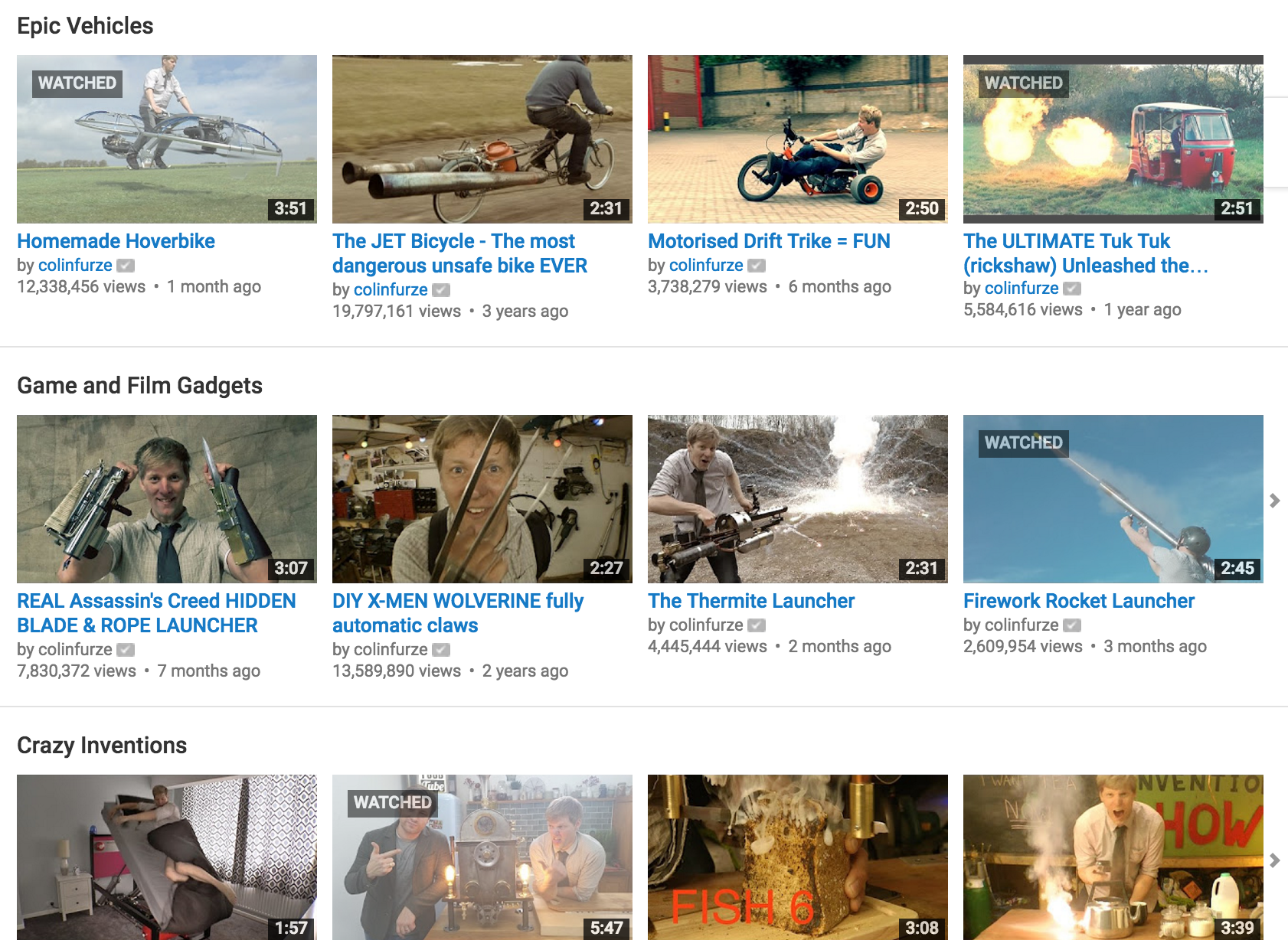
Three things have made the pleasure of narrowcasting rather than broadcasting a reality. Broadcasting is finding something that as many people as possible are interested in watching. This is mass appeal television. European Football is one example, british rugby another, skiing another and tennis as a last one. Each of these has a large budget to spend because of the mass appeal of the content. It means that you can experiment with Ultra high definition, 3D broadcasts and more. In essence it is content that is easy to justify. Narrow casting is the opposite. Narrow casting is the opposite. It’s about providing content for a small number of people. This means less interest, less money and therefore less feasible. Early attempts at narrow casting include both cable television and community videos. The problem with cable television and community videos is that they are not on demand so unless you’re ready to watch the content at the time it is aired or the time when it available on VHS tape you missed it. Youtube, DailyMotion, Vimeo and other video distribution solutions started by allowing people to upload random clips with low production values. As interest grew and as people uploaded new content from pirated shows to pirated music, from home videos to more so the focus changed. I look at the early days of vlogging when iJustine streamed content live, Seesmic when we chatted with each other to webcam vloggers, game play videos and more. As these low brow content makers showed that they could amass an audience and as advertisers saw that they could generate an income so other people could come along. I recently noticed that Jay Leno has a show on youtube about his garage. We see him talk about a car per episode, around 25 minutes a piece. In these shows he speaks at a relaxed normal pace. We see him talk about cars. We see him show content from photo books and in general we get the feel that we used to get from browsing through magazines and books like in the good old days. With Video on Demand services like youtube we are coming to a new age in video content where the content we can browse through and watch documentaries like we used to browse through newspapers, magazines and books. We can learn about niche topics in a medium that would have been prohibitively expensive in the past.