Archives

Thoughts on the Garmin Vivosmart 4

The Garmin Vivosmart 4 is the first activity tracker that I see tracking descent as well as ascent. It is yet another fitness tracker and in theory I had no need for it as my Suunto Spartan Wrist HR Baro and my Apple Watch Series 4 do almost the same thing.

I was curious to play with this device for two principle reasons. The first of these is the body battery functionality that looks at the energy we use during the day and the sleep we get at night to say whether we need a rest day or not and because I wanted to fill the daily activity metrics in the Garmin connect app.
Iredpoint by Frogg GMBH

Frederik Riedel - 4th Jan, 2019

Hey Richard! Thanks a lot for using my app, and thanks for the great feedback, I definitely appreciate that. The upcoming update of iRedpoint has a big improvement for the top rope tracking algorithm, I hope you’ll like it. Also the ability to switch the climbing activity type during a session makes a lot of sense to me; I put it on my todo list! — frederik

Iredpoint by Frogg GMBH

The Apple watch and other devices have integrated barometers that allow them to track changes in altitude. Iredpoint by Frogg GMBH is one app that takes advantage of this. It allows you to tell the app what type of climbing you are doing as well as the difficulty.

Types of Climbing

This app allows you to choose the type of climbing that you are doing. You can choose between bouldering, top rope climbing, sport climbing, trad climbing, multirope climbing, free solo, aid climbing and last, and most awesome of all, Via Ferrata. I’m pleasantly surprised by that last one. In summer this is one of my favourite pass times.

Cutting down on Facebook, Instagram and Youtube

The Issue

For a while Facebook was the network to keep in contact with university friends after we all graduated and then it was the network to keep in contact with colleagues. Eventually it became the network where people shared news without engaging with others. It has become a network where you scroll through dozens of irrelevant posts in the hope of finding something personal, and failing.

Instagram used to be the network where we could share images with friends and see what they were sharing. After Facebook bought Instagram it grew out of favour with people sharing between friends. Now when I use facebook I need to scroll by an advert from the second post onwards. They have flooded Instagram with so many adverts that it has become unusable.

Tour de Zwift - Over Half Way Through

The 2019 Tour de Zwift event is a 9 event cycling event on Zwift. it takes you on nine different routes across five worlds with hundreds, and in some case more than 2000 participants at a time.

Zwift Tour description

https://www.youtube.com/watch?v=oq5fIaKpvXw&feature=youtu.be

“…the Tour is a celebration of Zwift and the worlds within. You’ll experience the best of Zwift, together with thousands of people riding by your side. It’s not a race, but a giant party on wheels and a great way to experience Zwift.”

Cycling in Spain

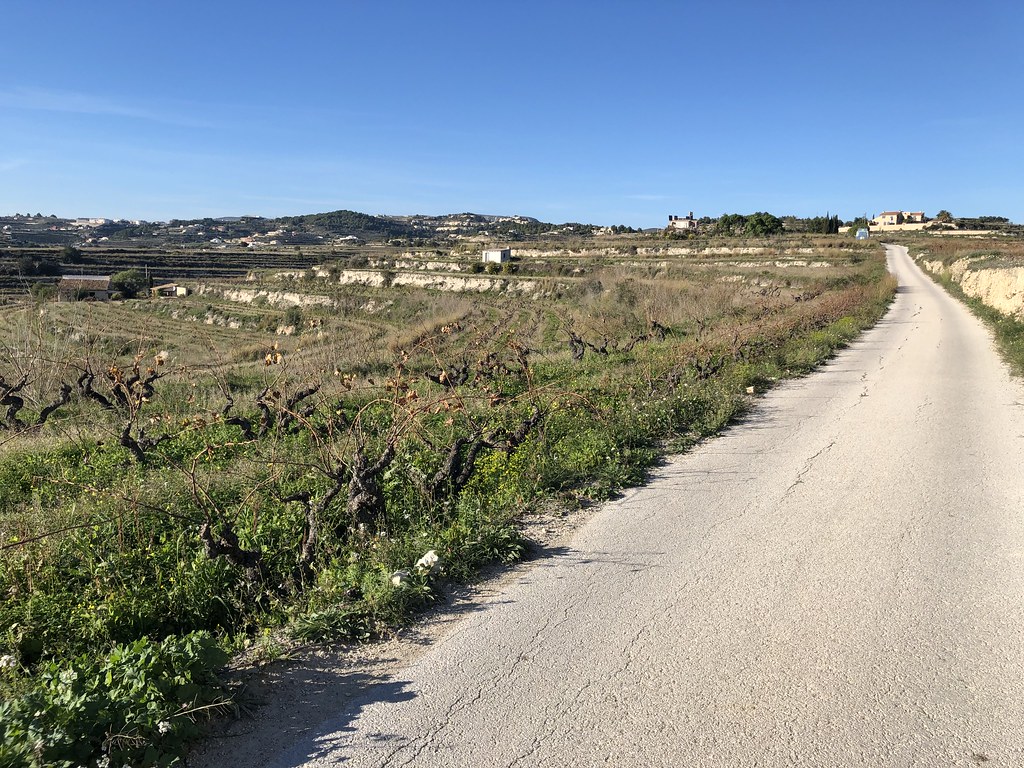
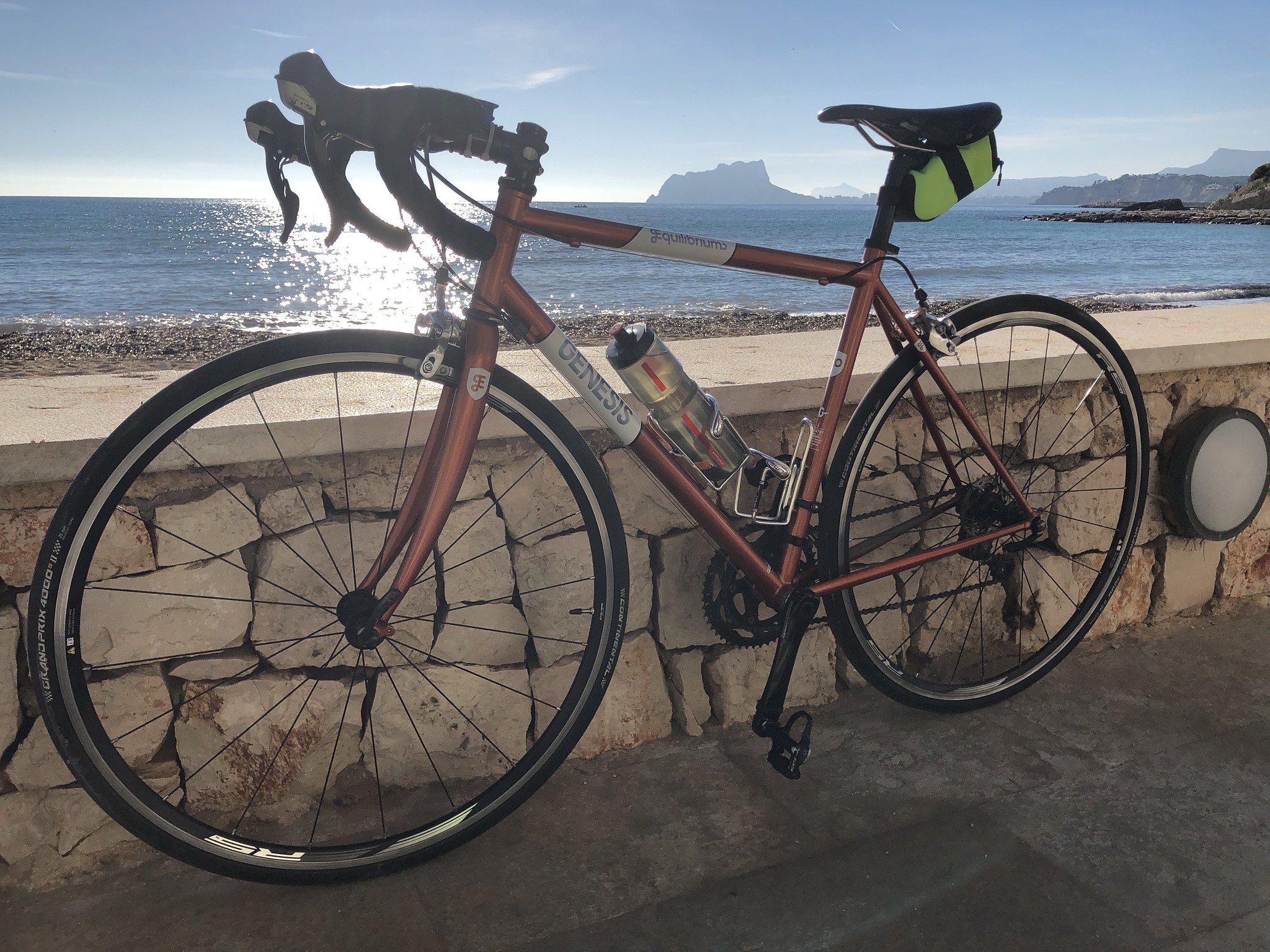
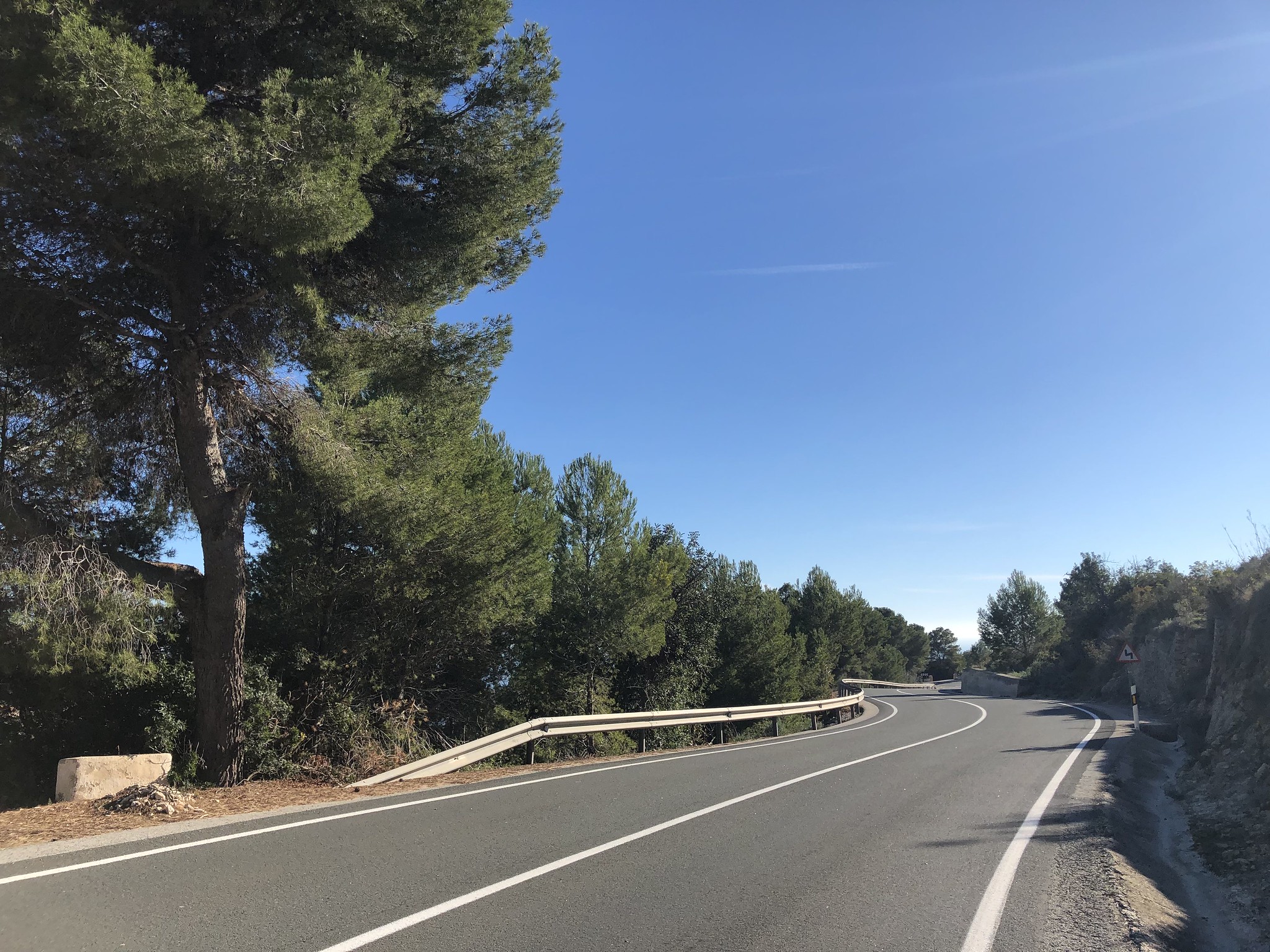
Untitled When people think of cycling in Spain they think of the seaside and they think of the coast. They think of long flat roads and short climbs. I made the mistake of thinking that so when I arrived in Spain I went cycling but every direction I tried involved climbing steep gradients. The first ride I did took me to the top of the Cumbre Del Sol and I felt that it was hard but I didn’t mind as I expected it to feel like a climb. It’s when I tried to ride in other directions that I came up to the steep gradients and started to understand the challenge of riding in such a landscape. In Switzerland you can have 12km climbs but they’re at shallow gradients most of the way with the occasional steep gradient. Roads with steep gradients are usually closed in Switzerland. In Spain they don’t have such an issue with ice and snow so they can build steep hills. The hills are so steep that I considered using normal shoes so that I could dismount easily if I ran out of steam. I continued with clipped pedals. I was using the Komoot app for one route and it asked me to go up consecutive steep gradients. I dismounted and walked up a short bit before getting to another flat bit of road. As I walked up that steep gradient I saw a scooter descending my way and as he applied the brakes to slow down a bit he hit a wet patch of road and the scooter slid for a distance downhill. I believe I made the right decision to dismount at this point. I eventually reached my destination after studying the map on the app and ignoring directions. Untitled Aside from the painful uphills there are some very nice downhills. This one is going down to the sea through Fanadix, not an Asterix character. This was an excellent and pleasant descent. I only went down this road twice and as I saw that there were some wet patches I didn’t go at full speed. It’s the type of descent you see idealised in road and cycling programs. I love when you have roads that are wide enough for traffic to go uphill and downhill because it feels safer than two-way roads that are only a car width wide. Untitled When I cycle I try to take secondary roads as much as possible for two reasons. The first of these is that there is less traffic so you can enjoy the landscape and see places that people following main roads cannot see and the second reason is that when you’re going up a steep gradient it’s nice to be able to take up the entire road. This is something that I tried in Switzerland and adopt on most of my rides. It’s safer. Before this spot I was going up a steep gradient and sticking to the right of the road when I saw a car coming down the other way. The driver could have continued down safely but she was courteous and stopped, letting me progress up the hill. This landscape reminds me of Mont Sur Rolle. Spanish terraced vineyards looking towards the sea. In Switzerland vines are given cables to grow on but in Spain at this time of year vines are cut so you see the vineyards unblemished by metal cables. It’s nice to cycle in Spain but I noticed that I could easily do three to five hundred metres of climbing on every bike ride up steep gradients. You need strong legs for the gradients. In Switzerland it’s rare for me to stand up as I pedal but in Spain it’s almost a requirement. It is a good place to perfect your climbing technique. I will explore more routes next time I go.

A two Jersey cycling event and then too tired to climb.

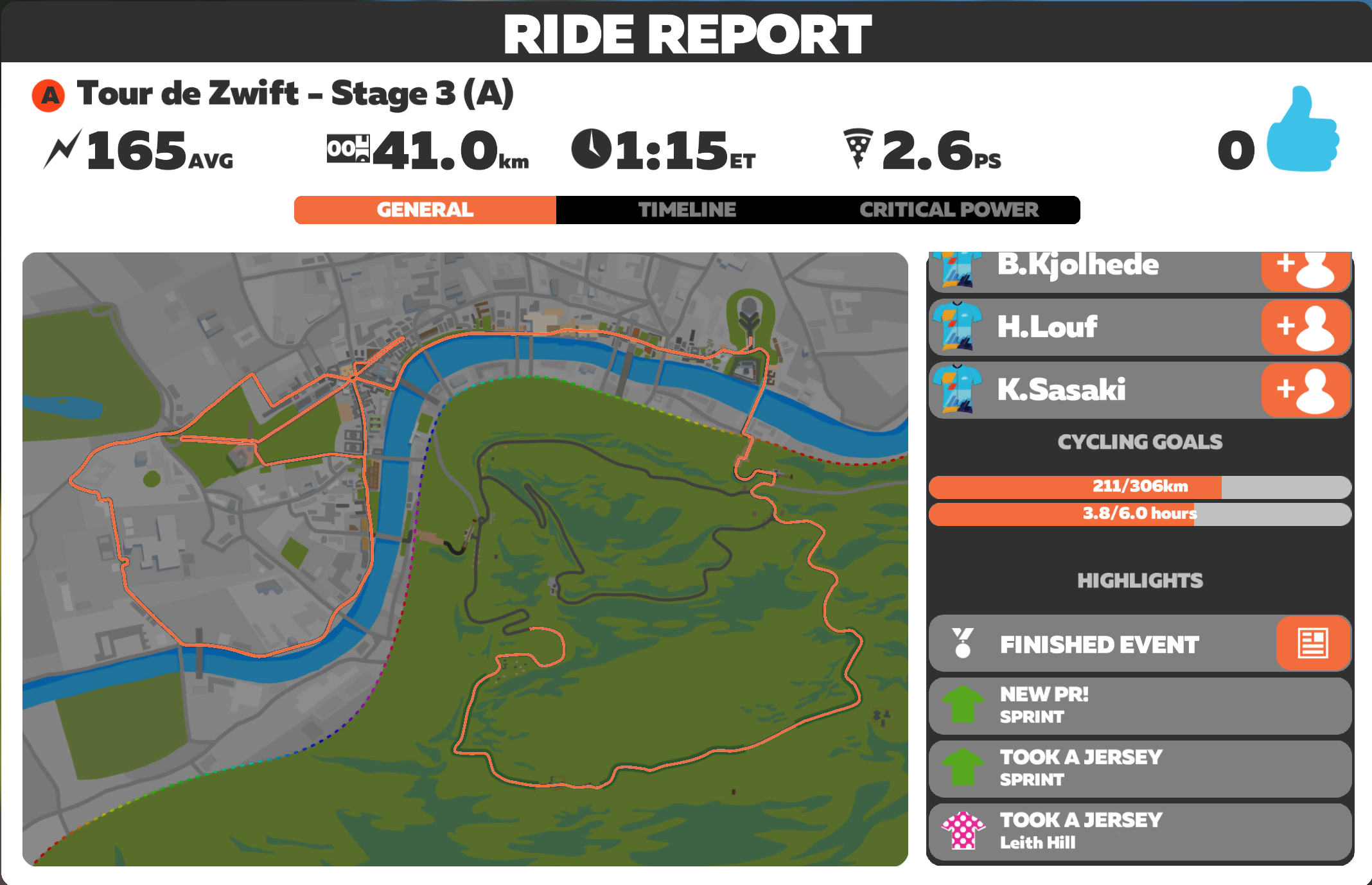
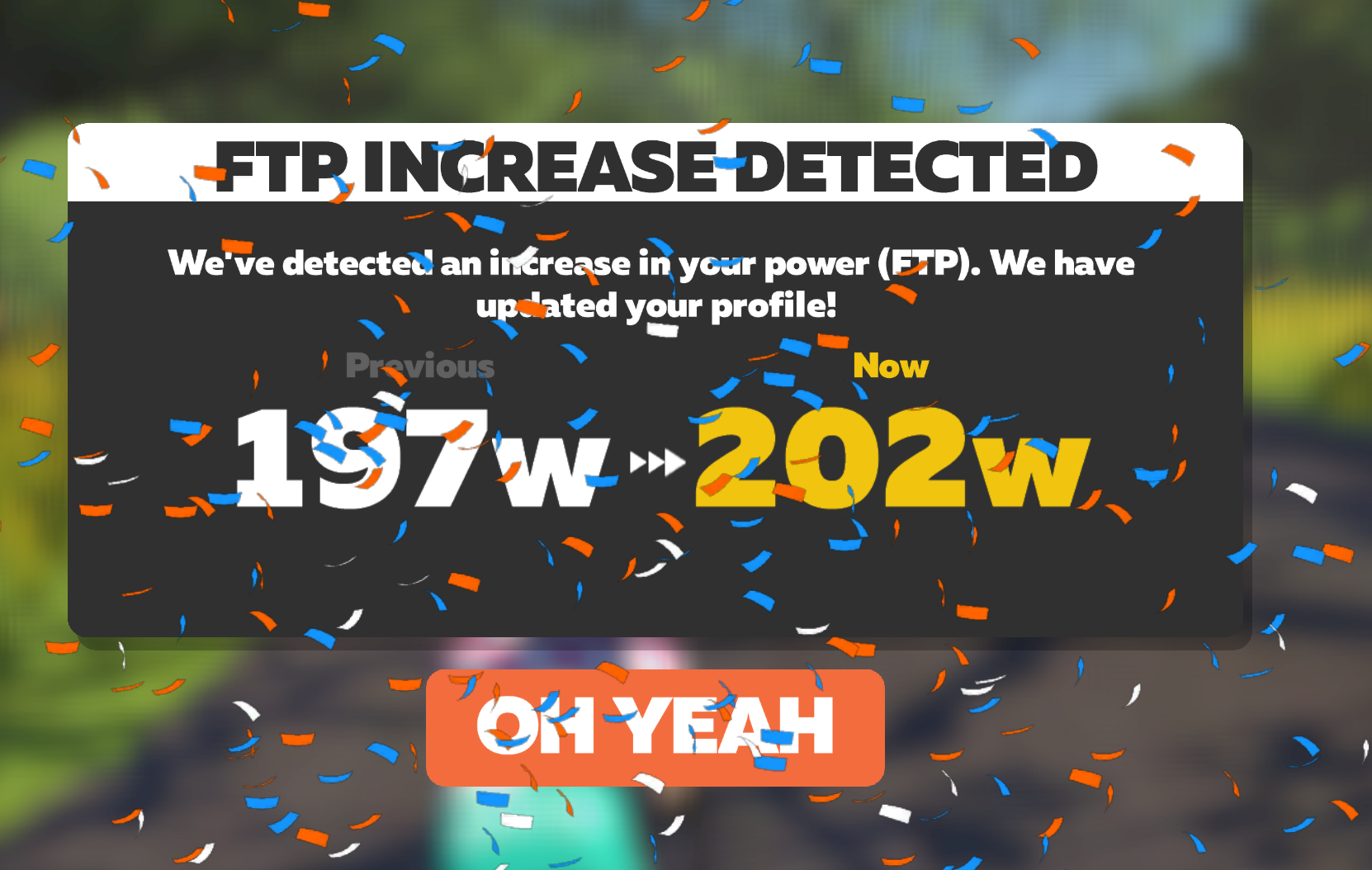
Yesterday I had a morning ride because I wanted to participate in the Tour de Zwift event. Yesterday the track was London and I was riding slowly for the first half, conserving energy. Eventually, when I got warmed up I started to ride harder and harder until I was overtaking quite a few other cyclists. I took advantage to play on the sprint and got the Green jersey. I took some time to recover and then I pushed myself. I was overtaking group after group. I gained at least 50 places in the standing. When I got to Keith Hill I was pedalling hard. I was overtaking people constantly and I was pushing from one group to the next, catching up with them just to encourage myself to make that much more effort. Eventually, I got to the top of the hill and I saw that I had both the green jersey and the polka dotted one. “Meilleur Grimpeur” as you hear on French television during the Tour De France. It feels good to push that much, to exceed your previous rides and for it to be quantifiable. This ride resulted in quite a few personal records on Zwift. I also improved my FTP score.   Making such an effort on an ordinary day would be great. I’d have had a good workout and reached my daily exercise goal. In this case, it was a mistake. I went climbing without having a proper dinner in the evening and all the energy I had burned to cycle was now missing for climbing. This was my worst day of climbing in a while. I completed one or two routes rather than the usual five or six. Usually, before I go climbing in the evening I rest. When I get to the wall I’m impatient to climb and I do well.

The Klettersteig Rider 3.0

The Klettersteig Rider 3.0 is a dual system via ferrata kit. It has a carabiner like standard via ferrata kits have and a “rider” system. The “rider” system fixes to the via ferrata cable and progresses with you. As you get to a part where you need to switch you move the rider system up first and then you move the carabiner. 

https://www.youtube.com/watch?v=lmmXodEZQxo

What I like about this system is that if you slip or lose grip of the rungs for any reason you will only fall the length of the connector rather than the length from where you are to the most recent pig tail. This reduces the fall distance by a considerable amount. 

Documenting climbing feats

Documenting climbing feats is an interesting challenge because you deal with issues of accessibility, projects that can last for months or even years and in some cases you’re dealing with the prospect of the climber understanding the problem, and then achieving his goal. For two or three years I really explored ideas for a climbing documentary before losing steam. My interest in the topic was still there but I couldn’t think of whom to put in front of the camera. 

The Dawn Wall film

One of the reasons for which this film is so powerful is that it’s written in the way that Heinrich Harrer wrote about the Eiger. It’s documenting not just a single attempt but the entire process. In doing so we get to know the people well. It gives us some context about their early days and then it spends a big amount of time on the process that led to a succesful ascent of the Dawn Wall.